

What Type of Therapy Do I Need? A Simple Guide to Getting Started
If you’ve ever googled “types of therapy” and immediately felt overwhelmed, you’re not alone. There are so many acronyms and approaches that it can feel like you’re supposed to become a mini‑psychologist before you even book a first session.
The good news is: you don’t have to pick the “perfect” therapy type on day one. A big part of a therapist’s job is to help you figure out what might work best for you, based on what you’re going through and how you like to work on problems.
Step 1: What Are You Struggling With Right Now?
Start with the simplest question: what has made you think “maybe I should talk to someone” lately.
Some common reasons people reach out for therapy include:
• Ongoing anxiety, worry or panic
• Low mood, numbness or loss of interest in things you used to enjoy
• Burnout, work or academic stress
• Relationship conflict, break‑ups or family tension
• Grief, loss or big life transitions (moving, changing countries, becoming a parent)
• Difficult experiences from the past that still feel very present (trauma, abuse, war, displacement)
You don’t have to fit neatly into one box. But noticing whether your main struggle is about mood, relationships, specific events or identity can help narrow down the kinds of approaches that might fit.
Step 2: How Do You Like to Work on Problems?
Different therapies fit different personalities. It can help to ask yourself what has worked for you in other areas of life.
For example:
- “I like practical tools and clear steps.”
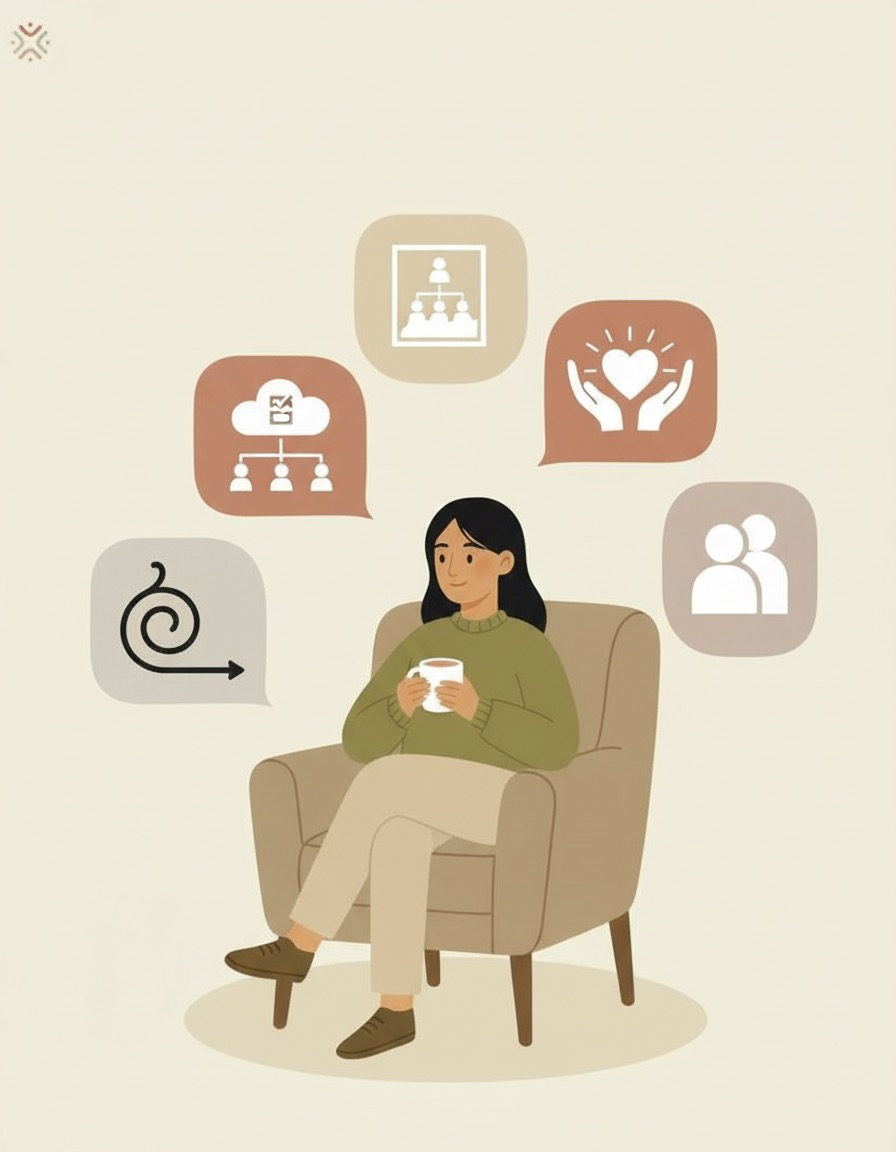
You might do well with more structured approaches like Cognitive Behavioural Therapy (CBT) or Dialectical Behaviour Therapy (DBT), which focus on concrete skills and homework between sessions.
- “I want to understand my patterns and where they come from.”
Approaches like psychodynamic or psychoanalytic therapy spend more time exploring your history, relationships and deeper beliefs.
- “Something specific happened and I don’t feel the same since.”
Trauma‑focused therapies such as EMDR, TF‑CBT or somatic approaches are designed for processing difficult or traumatic experiences safely.
- “My main struggles are in relationships and communication.”
Couples therapy, family therapy or other relational approaches focus on how you and others interact, not just what’s happening inside your head.
None of these is “better” than the others. The best therapy is the one that feels safe, understandable and workable for you.
Step 3: Practical Factors That Matter More Than You Think
Even if you never memorise the names of therapy modalities, certain practical details can make a huge difference.
Consider:
• Format: online or in‑person; video and audio
• Language: which language(s) you can express feelings in most naturally
• Therapist characteristics: gender, age range, cultural background, familiarity with your community or context
• Logistics: time zones, session length, availability in your schedule
• Budget: private pay, sliding scale, insurance coverage where relevant
It’s completely valid to look for someone who understands things like migration stress, family expectations, religion or racialised experiences, those are not “extra,” they are part of your mental health picture.
Popular Types of Therapy Simply Put
Here are some of the therapy types you’ll often see in directories, explained briefly.
• Cognitive Behavioural Therapy (CBT)
Focuses on the links between thoughts, feelings and behaviours. Helps you notice unhelpful patterns and practice more balanced ways of thinking and coping.
• Psychodynamic / psychoanalytic therapy
Looks at how early experiences and relationships shape your current patterns. Often explores themes that repeat in different areas of your life, with space to reflect deeply over time.
• Humanistic / person‑centred therapy
Emphasises empathy, acceptance and seeing you as a whole person, not just a diagnosis. The relationship with the therapist is a central part of the healing process.
• Trauma‑focused therapies (e.g. EMDR, TF‑CBT, somatic approaches)
Specifically designed to help process traumatic experiences, from accidents and violence to war, displacement or chronic abuse, in a safe, structured way.
• Couples and family therapy
Involves more than one person in the room (or call) and focuses on communication, boundaries, conflict and shared patterns, rather than treating one person as “the problem.”
Many therapists blend elements from several of these approaches. It’s very common to see profiles that say “integrative” or “eclectic,” which simply means they adapt tools depending on your needs.
You Don’t Have to Choose Perfectly
It’s easy to worry that if you pick the “wrong” type of therapy, you’ll waste time and money. In reality, therapy is usually an ongoing conversation about what is and isn’t working.
You can ask questions like:
• “How do you usually work with someone in my situation?”
• “What would our first few sessions look like?”
• “How will we know if this approach is helping?”
A thoughtful therapist will welcome these questions and adjust the pace, focus or tools if needed.
How Thera Can Help You Find a Good Fit
If you recognise yourself in more than one of the situations above, maybe you’re dealing with anxiety and migration stress, or family expectations and trauma, it can be especially helpful to find someone who understands both your inner world and your wider context.
On Thera, you can:
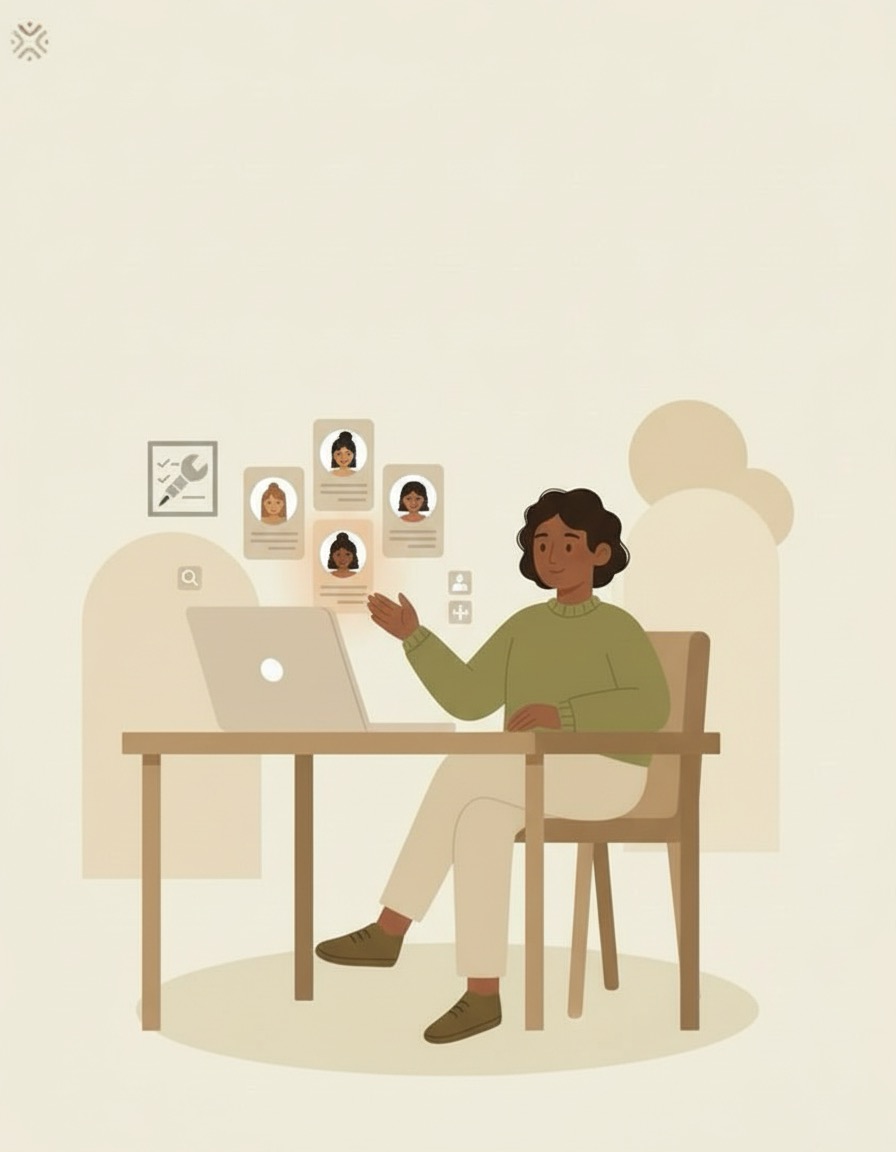
• Filter therapists by issues, language, ethnic background, years of experience, gender, age and price.
• Read profiles that mention not only modalities like CBT or EMDR, but also experience with Global South, MENA, BIPOC and TCK communities
• Book online sessions without subscriptions or long‑term lock‑ins.
You don’t have to have everything figured out before you start. Even one conversation with the right person can help you clarify what you need, and what kind of therapy might support you best.
Find your match at Thera
Elena Moreau
Category