Employee wellbeing is often discussed through stress, productivity, resilience and work-life balance. These things matter. But for diverse teams, mental health at work is also shaped by culture, identity, language, race, migration, belonging, family responsibilities, discrimination and psychological safety.
A general wellbeing programme may not be enough if it does not recognise the realities people bring into the workplace.
Workplace stress can include discrimination, pressure to prove competence, underrepresentation or expectations about communication and appearance. Some employees also manage migration-related uncertainty or family responsibilities across borders. These experiences can overlap, but they are not interchangeable. BIPOC refers to Black, Indigenous and people of color; it does not mean all immigrants, diaspora communities or internationally mobile employees. Support should explore what matters to each person rather than infer their needs from a group label.
Culturally sensitive employee wellbeing support helps organisations move beyond generic mental health benefits. It recognises that people do not leave their identity, family history or lived experience at the office door, even when work happens online.
Why employee wellbeing needs cultural context
Employee wellbeing is not only an individual issue. It is shaped by workplace culture, leadership, communication, workload, support, fairness, belonging and safety.
For diverse teams, cultural context matters because people may experience the same workplace differently. A policy that feels neutral to one person may feel inaccessible, unsafe or unclear to another. A team culture that rewards constant availability may affect people differently when family responsibility, immigration stress, racism or financial pressure are part of the picture.
Culturally sensitive wellbeing support asks a deeper question: not only “Are employees stressed?” but “What is shaping that stress, and who feels safe enough to talk about it?”
Diverse teams do not all experience stress the same way
Two people may both describe burnout, but the causes may be different.
One person may be overwhelmed by workload. Another may be exhausted from managing microaggressions, being the only person of color on a team or constantly adjusting their communication style to fit dominant workplace norms.
Someone else may be dealing with pressure to support family financially, care for relatives in another country or prove that their family’s sacrifices were worth it. A manager may be carrying team responsibility, racial representation and informal mentoring without enough support.
If employee wellbeing does not make space for these differences, support can feel shallow.
For example, encouraging everyone to “set boundaries” may overlook financial dependence, caring responsibilities, job insecurity or the risk of retaliation. Support should consider those circumstances before recommending changes.
Belonging is part of mental health at work
Belonging is not only about representation or diversity statements. It is about whether people feel respected, understood and safe enough to bring their perspective into the workplace without being punished for it.
A person may be present in the team but still feel emotionally alone. They may attend meetings, meet targets and appear engaged while quietly managing bias, self-doubt or pressure to stay silent.
When belonging is weak, people may overperform to feel safe. They may avoid speaking up. They may code-switch constantly. They may not use wellbeing benefits because they do not trust that their experience will be understood.
If employees are navigating
racial stress at work, culturally sensitive online therapy can give them a private space to name what is happening and understand its impact.
Mental health support should make space for individual context
Some employees have previously felt dismissed or stereotyped when discussing discrimination, family responsibilities, language or identity. They may be concerned about whether another service will understand their experience.
A therapist or wellbeing provider still needs to learn about the individual. Cultural responsiveness means asking respectful questions, acknowledging limits in their knowledge and adapting support where appropriate, not assuming that a shared identity explains someone’s needs.
Employees should be free to decide which aspects of their background they want to discuss. They should not be expected to disclose personal histories to managers or educate colleagues as a condition of receiving support.
What workplace stress can look like in diverse teams
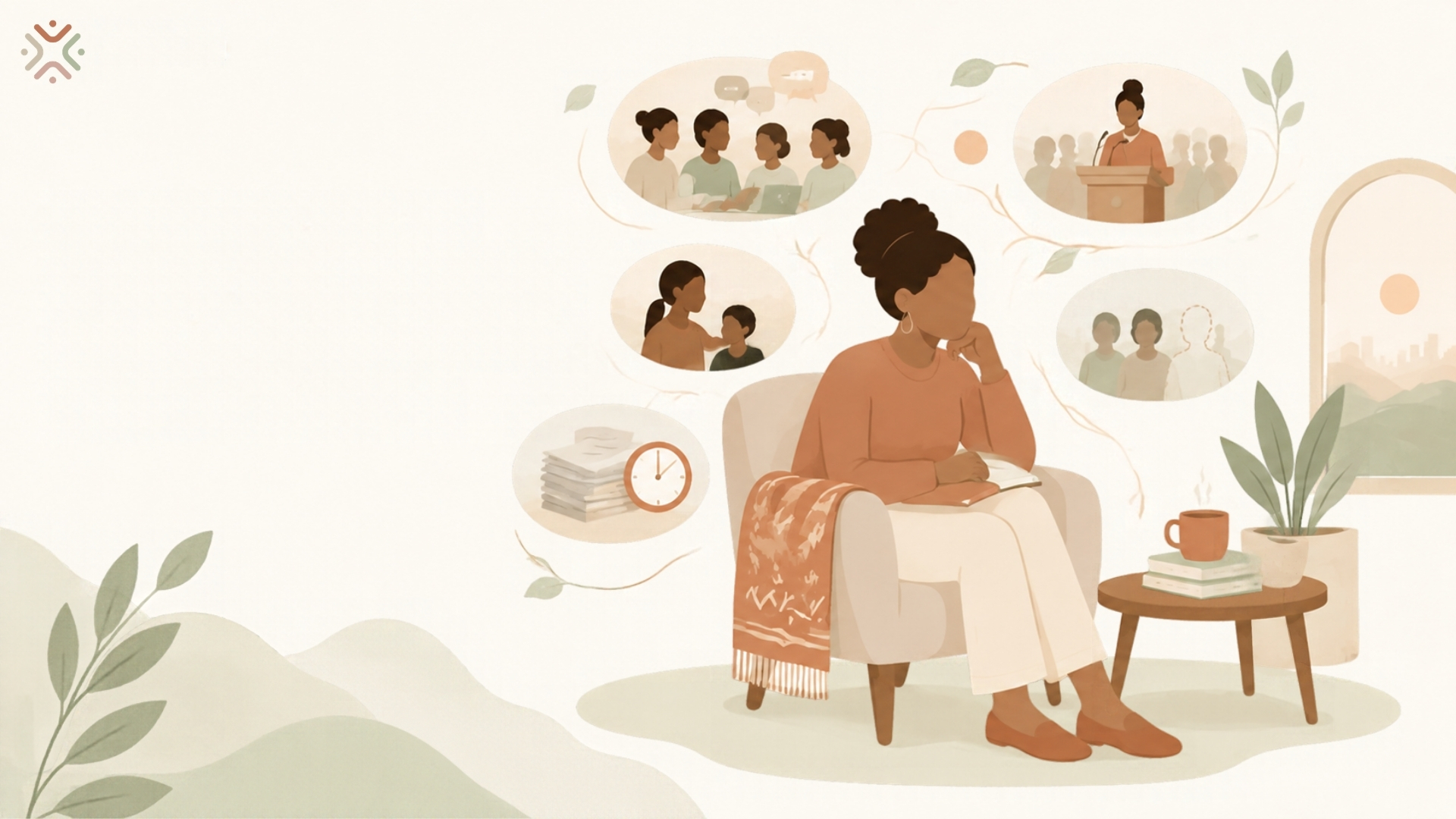
Workplace stress can show up through workload, deadlines, conflict and uncertainty. In diverse teams, it may also appear through less visible pressures that build over time.
These pressures are often hard to discuss because they may be subtle, repeated or dismissed by others.
Code-switching and constant self-monitoring
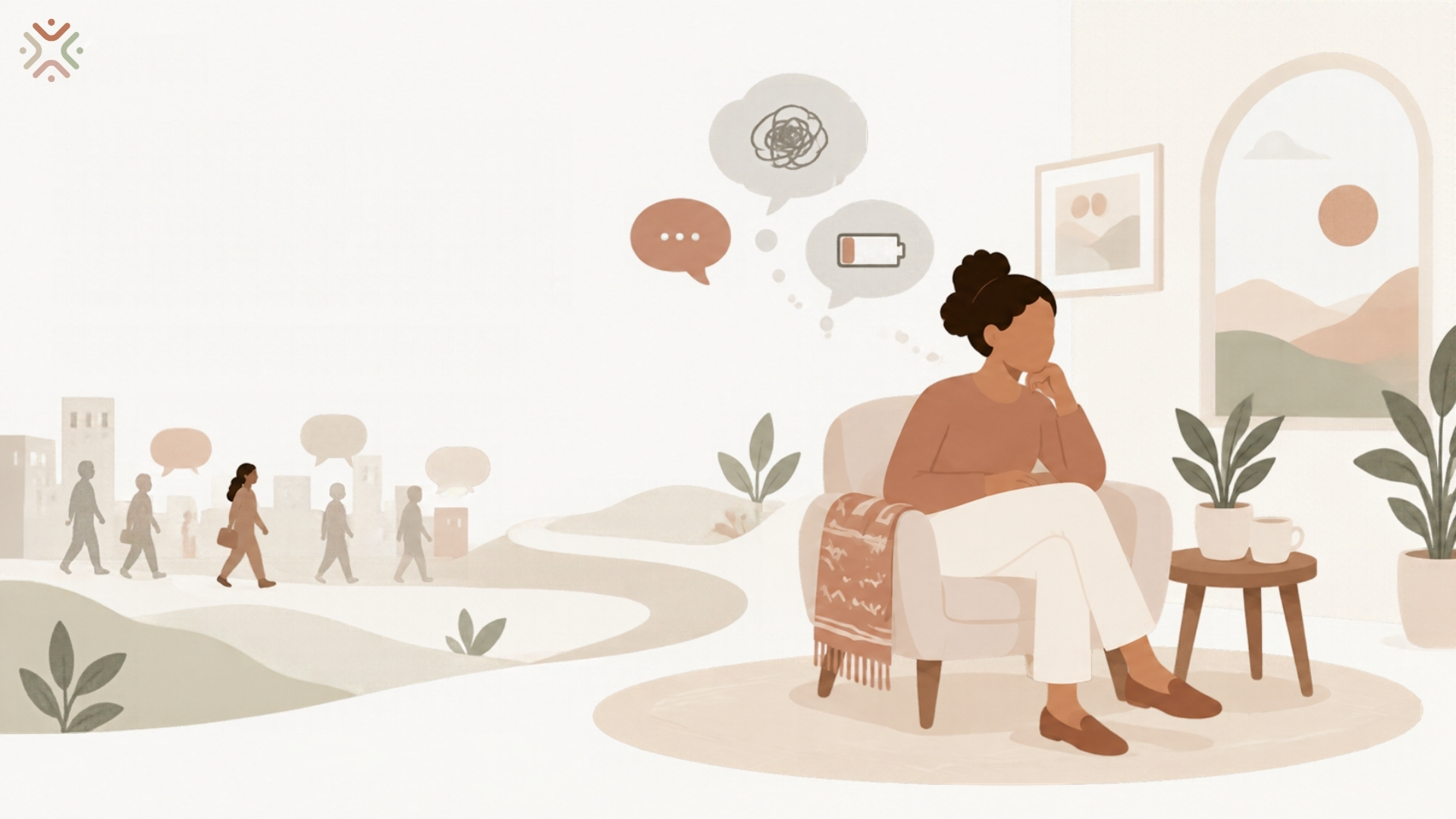
Code-switching at work can involve changing language, tone, accent, humour, appearance, emotional expression or communication style to fit dominant norms.
For some people, this is a useful skill. It can help them navigate different professional spaces. But when it becomes constant, it can be exhausting.
Someone may spend the day tracking how they sound, how they disagree, how much emotion they show or whether their confidence will be misread as arrogance. They may be doing the job while also managing how others perceive their identity.
Some people find this self-monitoring effortful or stressful, particularly when they feel they have little choice about it. Adapting communication is not inherently harmful.
If this is common in a team, employee wellbeing needs to address more than workload. It needs to ask what kind of workplace culture makes people feel they must edit themselves so heavily.
Microaggressions and repeated small harms
Microaggressions are everyday comments, assumptions or behaviours that communicate bias or exclusion. They may be framed as jokes, curiosity, compliments or misunderstandings, but their repeated impact can be heavy.
A person may have their name mispronounced
repeatedly, be asked where they are “really from,” have their competence underestimated, be mistaken for another person of color, or be expected to educate the team on race and culture.
The meaning of an interaction depends on context, including stereotypes, differences in treatment and repeated patterns. Reported experiences of discrimination are associated with poorer mental health, but an isolated ambiguous interaction does not by itself establish bias (Pascoe & Smart Richman, 2009).
Workplaces that care about wellbeing need to take these experiences seriously. Otherwise, people may feel that wellbeing language is disconnected from the realities of the workplace.
Burnout from responsibility without support
Burnout is not always caused by too much work alone. It can also come from carrying too much responsibility without enough support, authority or recognition.
Burnout concerns chronic workplace stress; it is not a diagnosis that managers should assign to employees. Persistent exhaustion or changes in mood, sleep or functioning may warrant assessment by a qualified healthcare professional.
This may be relevant when employees take on informal mentoring, interpretation, inclusion work or emotional support without sufficient time, recognition or resources. These responsibilities should not be presumed from someone’s racial identity.
They may be expected to support diversity efforts, protect junior staff, educate colleagues, handle team stress and perform at a high level, while also managing their own racial stress or underrepresentation.
In this context, employee wellbeing should include leaders and managers too. Supporting diverse teams means supporting the people who hold those teams together.
Why generic wellbeing programmes may not be enough
Many organisations offer wellbeing benefits, but employees do not always use them. Sometimes people do not know what is available. Sometimes the support feels too generic. Sometimes they do not trust that their experience will be understood.
A meditation app, resilience workshop or stress-management webinar may be helpful for some people. But if the workplace ignores discrimination, cultural context, psychological safety or family responsibility, wellbeing support can feel incomplete.
Resilience cannot replace psychological safety
Resilience can be useful. But asking people to become more resilient without addressing workplace harm can feel unfair.
If someone is experiencing bias, microaggressions, underrepresentation or chronic overwork, the solution cannot only be “cope better.” The workplace also needs to ask what is creating the stress.
Psychological safety matters because people need to feel able to speak honestly, ask for help, make mistakes and raise concerns without fear of punishment or dismissal.
Culturally sensitive wellbeing support should help employees care for their mental health, but it should also help organisations understand the conditions that make support necessary.
One-size-fits-all support can miss important barriers
Employees from BIPOC, immigrant or culturally diverse backgrounds may face specific barriers to accessing mental health support.
These may include stigma, privacy concerns, mistrust of institutions, fear of being misunderstood, lack of culturally responsive therapists, uncertainty about confidentiality or worry that seeking support will affect their reputation.
If a wellbeing provider does not understand these barriers, the service may be underused, not because employees do not need support, but because the support does not feel safe enough.
A culturally sensitive approach can make the first step easier.
Employee wellbeing should include identity, family and culture
Work stress does not always stay separate from personal life.
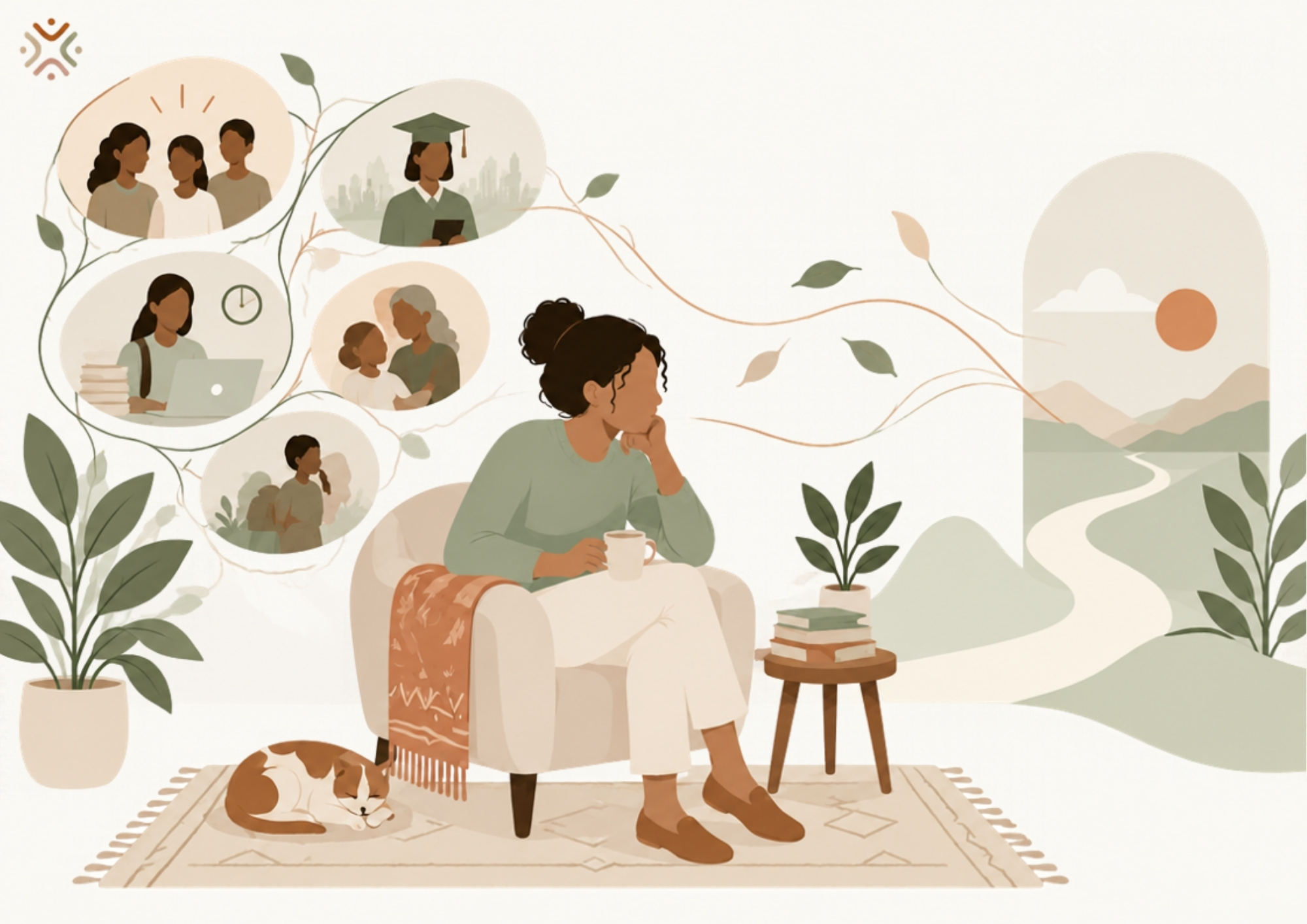
A person may be anxious at work because they are supporting family financially. Someone may struggle with productivity because they are burned out from caregiving. A young professional may feel pressure to succeed because of family sacrifice. A manager may feel unable to rest because leadership and representation feel tied together.
This is why culturally sensitive support should allow people to talk about identity, family and culture as part of mental health.
If productivity is connected to financial security, family expectations or self-worth, taking a break may feel difficult. Employees who recognise this pattern may find the discussion of
rest without guilt relevant.
What culturally sensitive employee wellbeing support can include
Culturally sensitive wellbeing support is not about separating employees by background or making assumptions about identity. It is about making support more relevant, respectful and accessible.
It recognises that people are shaped by different histories, cultures and systems, and that workplace mental health support should be able to meet that complexity.
Access to culturally aware online therapy
Online therapy may offer employees space to discuss distress, work experiences and personal concerns. It can widen practitioner choice, but access depends on clinical suitability, practitioner eligibility to work where the employee is physically located, language, availability, technology and a sufficiently private setting.
Before employer-funded care begins, employees should receive a clear explanation of who provides treatment, what information is collected, who can access it and the limits of confidentiality. Employers should explain whether they receive attendance, billing or aggregated usage information. Clinical conversations and identifiable treatment information should not routinely be shared with managers or HR; any disclosure requires an appropriate consent or legal basis.
Participation should be voluntary. Managers should not require employees to describe therapy sessions, infer diagnoses from service use or treat access to wellbeing support as a substitute for addressing complaints or workplace hazards.
Thera’s published
employee wellbeing pathway combines non-clinical emotional support through Synphoria with access to independent therapists and counsellors through Thera when clinical care is appropriate. Non-clinical support is not therapy, diagnosis or emergency care. Organisations should confirm the agreed services, referral arrangements and data-sharing terms before implementation.
Support for managers and leaders
Managers often sit between organisational expectations and employee needs. They may be responsible for performance, wellbeing, conflict and communication without enough training or emotional support.
In diverse teams, managers may also need to understand how culture, race, language, power and identity shape workplace experiences.
Culturally sensitive wellbeing support can help managers learn how to respond with more awareness. It can also support managers who are personally carrying stress, burnout or emotional labour.
This is especially important for BIPOC leaders who may be expected to represent, mentor and protect others while still meeting business expectations.
Manager training should focus on supportive conversations, workplace adjustments and referral options, not diagnosing employees, providing therapy or seeking personal clinical information.
Education that connects mental health with workplace culture
Employee wellbeing can also include psychoeducation, workshops or resources that help teams understand stress, burnout, belonging, microaggressions, boundaries, psychological safety and culturally responsive support.
The goal is not to make every employee an expert. The goal is to create a shared language so people can recognise harm earlier and respond with more care.
Topics may include:
• understanding burnout in diverse teams,
• recognising microaggressions and their impact,
• creating psychologically safer meetings,
• supporting employees across cultures and time zones,
• making wellbeing benefits easier to access,
• reducing stigma around therapy,
• supporting managers with emotionally complex conversations.
How culturally sensitive support benefits organisations
Culturally responsive support may make services more relevant to some employees, but a programme’s branding does not establish its effectiveness.
Organisations should assess accessibility, employee trust, quality of care and whether workplace risks are being addressed.
Better trust in wellbeing benefits
Clear information about confidentiality, costs, eligibility, language options and provider qualifications can help employees decide whether to use a service. Low uptake should prompt confidential consultation about barriers, not assumptions that employees are unwilling to seek help.
More realistic conversations about burnout
Wellbeing support should sit alongside action on workload, working hours, discrimination, support and reasonable adjustments. Therapy and resilience training should not be presented as remedies for unsafe working conditions (World Health Organization, 2022).
Belonging and retention: outcomes to evaluate
Organisations may aim to improve belonging and retention, but these outcomes should be measured rather than promised. The research cited here does not demonstrate that culturally sensitive employee wellbeing programmes, or Thera’s service specifically, improve retention. Evaluation should protect privacy and avoid reporting small groups in ways that could identify individuals.
What the research says
WHO’s guidelines recommend addressing mental health at work through organisational interventions, manager and worker training, individual support and appropriate return-to-work arrangements (World Health Organization, 2022). A meta-analysis found an association between reported discrimination and poorer mental health, although much of the evidence was observational and not limited to workplaces (Pascoe & Smart Richman, 2009). A review of meta-analyses found benefits from culturally adapted psychological interventions, with substantial variation across populations, treatments and study methods (Rathod et al., 2018). Together, these sources support considering both working conditions and individual context. They do not establish that all employees from a particular background need the same support, or that a culturally focused workplace programme guarantees better clinical outcomes, uptake or retention.
Building a wellbeing strategy that works for everyone
A diverse team needs more than a generic wellbeing package. It needs support that understands the emotional realities of different backgrounds, roles and lived experiences.
This does not mean every person needs the same kind of help. It means the wellbeing strategy should be flexible enough to support different needs with respect and care.
Organisations can start by asking:
• Do employees trust the wellbeing support available?
• Do managers know how to respond to culturally complex stress?
• Are microaggressions and racial stress taken seriously?
• Can employees access culturally aware therapists?
• Does support include leaders and managers too?
• Are privacy and confidentiality clearly explained?
• Do wellbeing efforts address workplace culture, not only individual coping?
Employee wellbeing is most meaningful when people feel safe enough to use it.
A useful next step is to review whether employees can access appropriate care, understand its confidentiality arrangements and raise concerns about working conditions without retaliation.













 Previous article
