








Monika Hadisfar
Accredited Counsellor
Areas of support and approaches
A therapist directory and platform to help you filter and explore independent therapists and counsellors by location, language, cultural background and more.
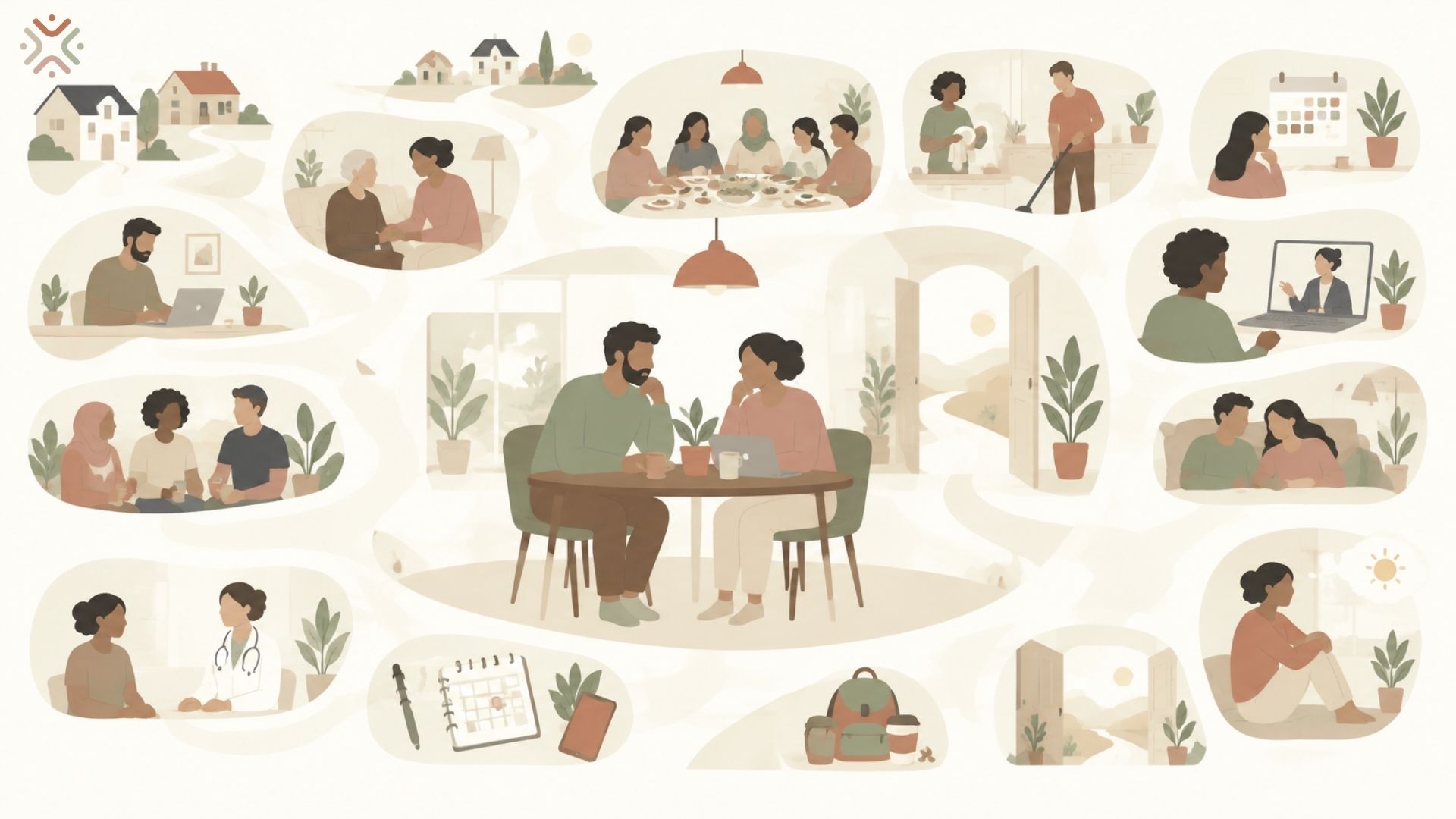
Couples therapy (also called relationship therapy or couples counselling) involves both partners in a relationship meeting with a therapist together. The relationship can be married or unmarried couples, heterosexual or same-sex, or even engaged or dating couples. The focus is on improving the relationship’s health, addressing communication problems, conflicts, intimacy issues, and rebuilding trust. It may also include sexual issues. Couples therapists often have training in systems theory or specialised models like Emotionally Focused Therapy (EFT) or the Gottman Method, but many adapt tools from CBT and interpersonal therapy as well. Sessions are joint, although at times each partner might speak individually to the therapist.
It may help if you experience:
Couples therapy isn’t only for “failing” relationships. It can also be used proactively (e.g. pre-marital counselling, or simply to strengthen a good relationship). Both partners should want to try therapy. If only one partner initiates, therapy can still work, but it requires that the other partner is at least willing to participate in the process.
Couples therapy is not for emergencies. If there is any physical, sexual or emotional abuse in the relationship, focus on safety first. Couples counselling is not appropriate if violence or threats are present; in such cases, individuals should seek safety and specialised help (domestic violence helplines, shelters, legal authorities). If either partner has suicidal thoughts or untreated mental illness (like psychosis, severe depression), they should get individual medical care first.
The therapist will first explain the format: rules for respectful communication, confidentiality (within legal limits), and session goals. Often, each partner gets a turn to speak while the other listens (with guidance from the therapist). The therapist helps the couple identify negative interaction patterns (like blaming, defensiveness, or withdrawal) and learn new patterns (like active listening, expressing feelings calmly).
Techniques vary by approach, but examples include:
Couples usually meet weekly or biweekly. The course can be short-term (around 5–12 sessions) or longer, depending on the challenges. “Behavioural couples therapy” courses often involve about 15–20 sessions over 5–6 months when done in some NHS settings. In practice, your therapist will discuss expected duration with you. Just like other therapies, progress depends on commitment. Both partners should be open and honest (within safe limits), and willing to try the therapist’s suggestions. Therapy is confidential to the couple, but if there are serious safety concerns (self-harm, violence), therapists have obligations similar to individual therapy.
You can find couples therapists on Thera by filtering the Areas of support and approaches for “couples therapy”. Many therapists are trained to work with couples as well as individuals. Check their profiles for couple-specific training or experience. You can also use additional filters to narrow your search (e.g. language preferences or LGBTQI+ therapists) if those are relevant to you. Once you select a therapist, contact us to book, and indicate that it’s a joint session for you and your partner. At signup, you will need to create an account for each person. The therapist will then meet with both of you via video.
Monika Hadisfar
Accredited Counsellor
Areas of support and approaches
Luisa María Rodríguez
Psicóloga Licenciada
Areas of support and approaches
Eugene Chong
Accredited Counselling Psychologist
Areas of support and approaches
Florencia Minnicelli
Psicóloga Licenciada
Areas of support and approaches
Laimary Linares
Psicóloga Licenciada
Areas of support and approaches
Joseph Assal
Licensed Clinical Psychologist
Areas of support and approaches
Tell us what you’re looking for. Our matching team can help you explore your options.
If you’re exploring couples therapy, other therapy options and areas of support may be relevant to you.
Answers to common questions about attending couples therapy
No. Couples therapy is for any committed partnership, married or not. It’s also available to long-term dating couples, same-sex couples, or even divorced couples who want to co-parent better. The key is that both people care about the relationship enough to work on it.
Couples therapy works best when both are involved. You can start therapy individually first (individual couples therapy sometimes helps one partner cope or think of ways to engage the other). You might also find therapists who offer brief “check-in” sessions for the reluctant partner or therapist outreach. Ultimately, both partners need to be willing to participate for most techniques to help.
The format depends on your therapist’s approach and your family’s or relationship’s needs. Some approaches include separate meetings as part of the couples or family work. Before proceeding, your therapist will discuss why these meetings are proposed, seek the appropriate consent, and clarify confidentiality, its limits, and how information from separate meetings would be handled.
It varies widely. Some couples improve in a few sessions, others need more time. The NHS example of 15–20 sessions indicates that moderate issues might require months of work. After the first few sessions, the therapist should be able to give a better idea, but be prepared for an open-ended process.
If you are looking for premarital counselling, check Eugene Chong's profile. Otherwise, ask whether your chosen practitioner offers it. Discuss their experience and the topics you want to explore, such as communication, finances, intimacy, family expectations or future plans, before booking.
If there are threats, violence, controlling behaviour or you fear consequences for speaking openly, joint sessions may put you at risk. Seek confidential support from a specialist domestic abuse service before arranging couples therapy. If you think your device or messages may be monitored, consider using a safer device to seek help, if you can do so safely. If you are in immediate danger, contact local emergency services.
In some models, the therapist may spend a portion of a session with each partner alone. You can ask if this is possible or helpful. Usually, joint sessions are central, but individual time can be scheduled if there are personal issues that need addressing separately.
Good question: couples therapy often deals with practical and relational issues (like anger, infidelity, sex, communication) that aren’t clinical disorders. Therapists can handle these because healthy relationships contribute to mental well-being. Therapists may use psychological techniques, but at its heart couples therapy is about skill-building and conflict resolution.
Information you share is confidential between you, your partner and the therapist, with the same legal exceptions. However, therapists will generally remind you that confidentiality is shared in couple sessions: what one partner says is heard by the other, and both are bound to keep it private outside session. The therapist may not keep separate secrets for each partner (unless individual therapy is also arranged).
If most of your difficulties occur in the context of your relationship (for example, arguments, communication breakdown), couples therapy is likely appropriate. If one partner has individual issues (depression, trauma) affecting both of you, that partner might benefit from individual therapy as well as joint sessions. You can discuss with a therapist whether couple or individual work is recommended for your situation.
Couples-session fees and lengths vary by practitioner. Check the couples-session rate before booking, or contact our team if it is not shown clearly. If you are looking for support within a particular budget, compare the available fees. Therapists on Thera charge between 47 and 170 USD per session. The price on a therapist's profile is the same at checkout. Creating a Thera account is free. View our pricing page.
Thera is a technology platform that connects clients with independent mental health professionals. We do not provide emergency care or crisis intervention. In immediate danger or crisis, contact local emergency services, or visit these resources.