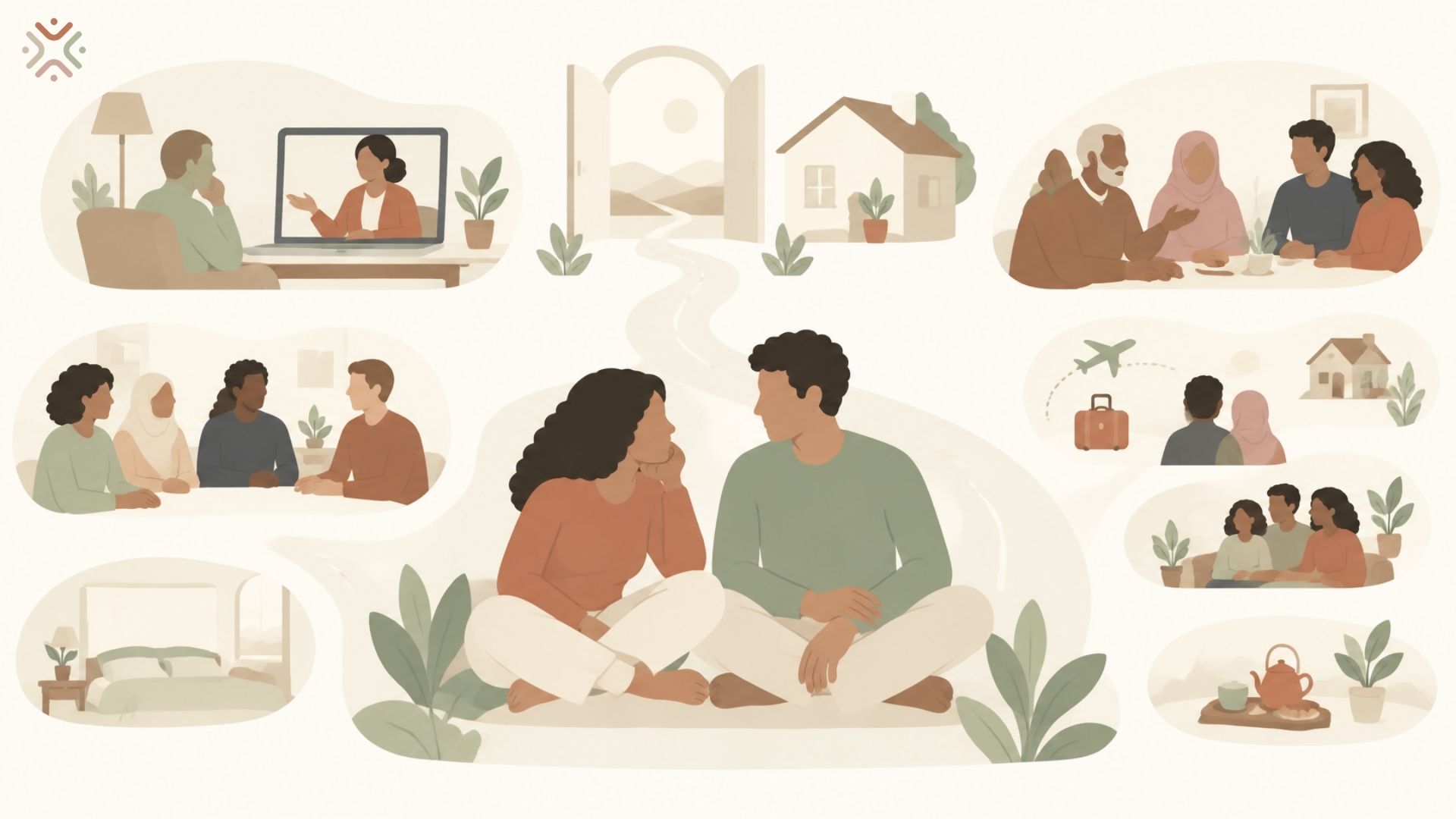
Every couple has differences. For some intercultural or multilingual couples, differences may also involve language, family roles, religion or secular values, food, gender expectations, emotional expression, parenting beliefs, holidays, migration histories and ideas about partnership. These factors do not automatically create problems, but they may become important when partners give the same situation different meanings.
This article may be relevant to couples living in Western Europe or Scandinavia, including Germany, France, Belgium, the UK, Ireland, Spain, Sweden, Norway and Denmark, whose backgrounds, languages, family systems or migration histories differ. It may also be relevant elsewhere to couples navigating similar questions.
For example, one partner may be Danish and the other Turkish-German. One may be French-Algerian and the other Spanish. Another couple may include partners from Indian-Irish and Norwegian backgrounds.
These relationships cannot be understood through cultural labels alone. Some couples share religion but not language. Others share a language but have different expectations about family involvement. Some partners have lived in several countries, while others have always lived in the same place.
Culturally sensitive online couples therapy may provide a space to explore these differences when both partners can participate freely and safely. The purpose is not to treat cultural difference as a problem, but to understand the specific experiences, values and circumstances shaping the relationship.
Why intercultural relationships can feel both rich and complicated
Intercultural relationships can create opportunities for curiosity, learning and shared experiences. Partners may introduce each other to new languages, traditions, family histories or ways of understanding the world.
Some couples find these differences enriching and easy to navigate. Others encounter situations where expectations do not immediately align.
What matters is not cultural difference itself, but how the partners understand and respond to the issues that arise.
The same behaviour can carry different meanings
Two people may interpret the same behaviour differently because of their upbringing, family experiences or personal values.
For one partner, frequent contact with parents may represent closeness and care. For another, the same level of involvement may feel intrusive.
One person may prefer direct conversations about disagreements. Another may need time before discussing difficult emotions.
A disagreement about weekend plans may involve different expectations about family time. A financial decision may reflect contrasting approaches to security or independence. A conversation about holidays may raise questions about traditions and belonging.
Culture can be one influence, but it is not the only explanation. Differences in personality, family experience, stress, attachment patterns, neurodivergence, practical pressures or unequal power in the relationship may also shape how a conflict feels.
Not every disagreement needs a cultural explanation.
For example, someone may avoid a difficult conversation because they are overwhelmed, not because their culture discourages emotional expression. Another person may prefer frequent contact with relatives because of personal closeness rather than a particular cultural expectation.
Understanding these distinctions can prevent partners from making assumptions about each other.
Language can shape emotional expression
Some couples communicate primarily in a language that is native to one partner but not the other. Others use a shared second or third language.
This arrangement may work comfortably in everyday life.
However, certain emotional conversations can require more effort, particularly when someone is discussing experiences that are difficult to describe in their shared language.
A person may speak English confidently at work but find it easier to express sadness, affection or frustration in another language.
Humour, emotional associations and familiar expressions may also be difficult to translate.
Language differences can affect interactions with extended family. One partner may not understand conversations during family gatherings, while the other may regularly interpret or explain what relatives mean.
Therapy may help couples notice when language differences add effort to emotional conversations. It can also support patience and practical communication agreements when the challenge is not lack of care, but different levels of confidence, vocabulary or emotional association in a shared language.
For some couples, communication becomes easier as they develop shared expressions and familiarity with each other's ways of speaking.
Family systems may expect different things
Family involvement can be an important part of a relationship.
Some people welcome frequent contact with parents and extended relatives. Others prefer to make most decisions privately as a couple.
Differences may concern:
- how often relatives visit or call;
- which decisions involve extended family;
- how holidays are organised;
- whether financial support is expected;
- how disagreements are discussed;
- what responsibilities adult children have toward relatives;
- how much privacy the couple wants.
These expectations are not necessarily determined by nationality, ethnicity or religion.
Two people from similar backgrounds may have very different views about family involvement. Equally, partners from different backgrounds may share almost identical expectations.
When disagreements arise, it may help to identify what each person values about their approach.
For example, one partner may value frequent family visits because they represent connection. Another may prefer fewer visits because they need time for rest or shared activities.
Neither preference automatically makes someone more caring or more independent.
When extended-family involvement creates recurring tension, family expectations and boundaries may be relevant.
Common challenges for intercultural and multilingual couples
Intercultural couples may encounter some additional topics to negotiate, but they also experience many of the same relationship issues as other couples.
Communication difficulties, disagreements about money, stress, emotional distance and incompatible expectations are not unique to intercultural relationships.
Understanding the particular source of a difficulty is more useful than assuming it exists because two people come from different backgrounds.
Feeling responsible for explaining your background
One partner may sometimes feel responsible for explaining unfamiliar traditions, religious practices, family expectations or experiences of discrimination.
They may want their partner to understand why certain holidays matter, why a relative's comment was hurtful or why a particular family event is important.
These conversations can create closeness when both people are interested and respectful.
They may become tiring when the responsibility for understanding always falls on one person.
The other partner may also feel uncertain about how to participate. They may worry about misunderstanding a custom, using the wrong language or being judged by relatives.
Rather than assuming one person must continually educate the other, both partners can take an active role in learning.
This might involve asking questions, independently learning about relevant traditions or discussing how much explanation each person is comfortable providing.
Differences should not automatically create an obligation for one partner to represent or defend an entire culture.
Different approaches to conflict
Partners may have different expectations about how disagreements should be handled.
One person may want to discuss a problem immediately. Another may prefer time to reflect.
One may appreciate direct feedback, while another may experience the same language as overly critical.
These differences may reflect upbringing, past relationships, temperament, communication preferences or other individual factors.
They may also be influenced by cultural norms, but should not automatically be attributed to them.
For example:
“I need time before discussing this” might express a need to regulate emotions rather than avoidance.
“I want to talk about this now” may reflect a desire for reassurance rather than an attempt to control the conversation.
“I find raised voices difficult” may relate to previous experiences or sensory sensitivity rather than cultural expectations.
The aim is to understand what each partner means and which communication approaches are acceptable to both.
However, intimidation, threats or coercion should never be reframed as ordinary cultural differences in communication.
Decisions about children, language and belonging
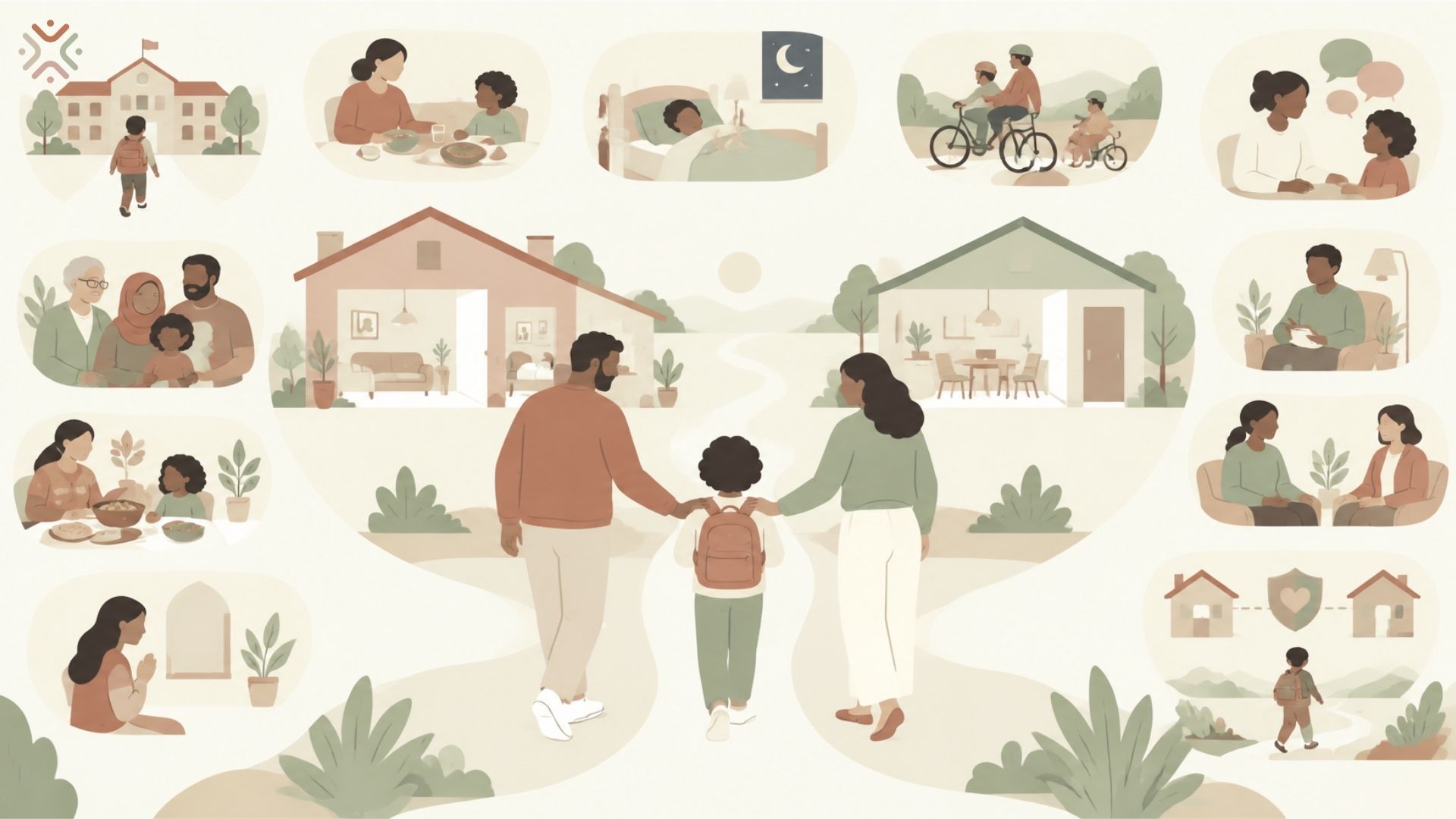
For couples who have children or plan to become parents, questions about family traditions and upbringing may become more relevant.
They may want to discuss:
- Which languages will children learn?
- Which cultural or religious traditions will be maintained?
- How will holidays be celebrated?
- What role will grandparents and relatives have?
- How will children learn about different parts of their family history?
- What expectations will parents share around education and discipline?
Some couples approach these questions easily. Others need time to understand what matters to each person.
One partner may feel strongly about passing on a heritage language. Another may worry about being excluded from conversations they cannot understand.
These concerns can be discussed without assuming that one parent's wishes should automatically take priority.
Where both partners can participate safely, online couples and family therapy may offer a setting for exploring expectations around parenting and family life.
How online therapy can support intercultural couples
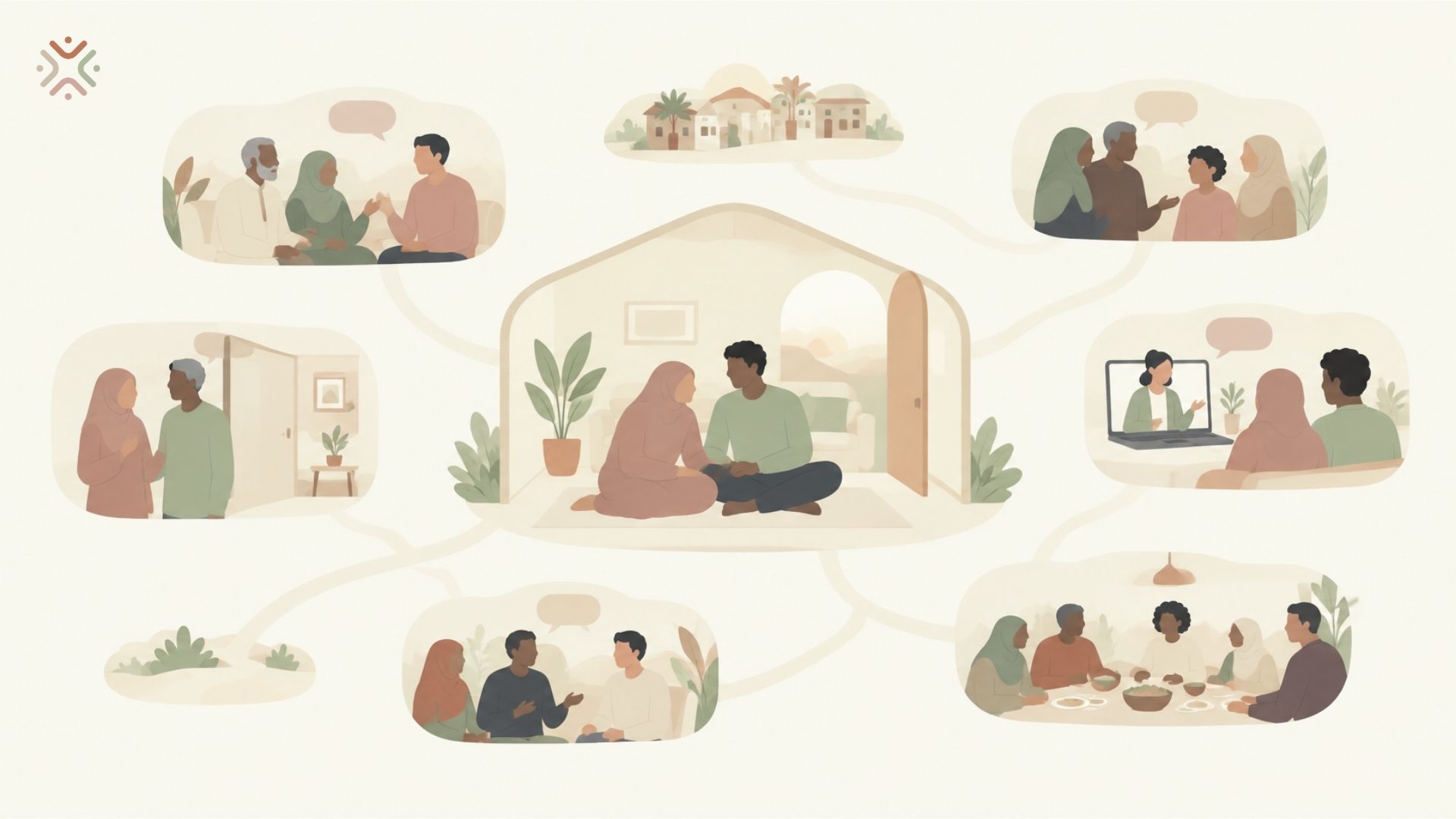
Online couples therapy may offer a structured space to discuss issues that daily life often rushes past, when both partners can participate freely and there is no coercive control, violence, intimidation, surveillance, fear or risk of retaliation for speaking honestly. Individual support may be safer if either partner feels pressured, unsafe, unable to speak openly or unsure about continuing the relationship.
When joint therapy is appropriate, a culturally responsive therapist should consider the wider circumstances affecting the relationship rather than assuming culture explains every difficulty.
This can include identity, personal values, communication patterns, discrimination, finances, family relationships and differences in power or decision-making.
Finding agreements without erasing differences
Some couples want to combine elements of their backgrounds into shared traditions.
Others prefer to maintain separate practices while supporting each other's choices.
For example, partners may celebrate different holidays, speak different languages with relatives or follow different religious traditions.
There is no requirement for every difference to be resolved through compromise.
A shared approach might involve deciding which traditions to practise together, which activities remain individual and how each partner's preferences will be respected.
Therapy may help couples identify shared agreements while making room for genuine differences. The goal is not always one “right” way, but a relationship structure that both people can discuss freely and consent to.
Agreements should reflect the needs of both people rather than requiring one partner to consistently adapt at the expense of their own identity or wellbeing.
Understanding emotional meaning
Communication is not only about understanding the words someone uses.
It also involves understanding the concerns or needs behind those words.
For example, someone saying “I need space” may be expressing a desire to calm down before continuing a difficult conversation.
A partner who says “I want my family to be more involved” may be describing an important source of connection.
Someone who feels excluded from family events may be concerned about acceptance or their place in the relationship.
These interpretations are possibilities, not fixed translations.
A therapist should not assume they know what a statement means because of someone's cultural background. Instead, they can invite partners to explain their intentions and experiences.
Questions such as “What did you mean by that?” or “How did you understand what your partner said?” may help reveal misunderstandings.
The purpose is not to uncover one hidden cultural meaning, but to make space for each person's explanation.
When family reactions are affecting the relationship, family or community judgment may be another issue to explore.
Creating boundaries with extended families
Family boundaries may become relevant when relatives have different expectations about privacy, visits, finances or involvement in decisions.
Some couples may want more participation from extended family. Others may prefer clearer limits.
Boundaries need to be realistic and safe. If either partner fears retaliation, family violence, loss of housing, financial punishment, immigration-related threats, digital monitoring or serious consequences for setting limits, individual support and a safety plan may be more appropriate than joint family conversations.
Where ordinary disagreement is involved and both partners can communicate freely, boundaries might concern:
- which topics remain private;
- how decisions are made;
- how much influence relatives have over shared plans;
- how holidays and visits are organised;
- how hurtful comments are addressed;
- how partners support each other during family gatherings;
- which languages are used when everyone is participating in a conversation.
These agreements should reflect the couple's practical circumstances and preferences.
A boundary does not necessarily mean rejecting relatives or reducing contact. It may simply clarify how the couple wants to manage particular situations.
However, boundaries should never be presented as a guaranteed way to prevent conflict or harm.
When individual therapy or specialist support may be more appropriate
Not every relationship concern should be addressed in a joint therapy session.
One person may need space to explore identity questions, family expectations or uncertainty about the relationship.
Individual therapy may be appropriate when someone wants to consider their preferences without involving their partner.
In other situations, safety concerns require more specialised support.
When one partner needs individual space
A person may want to consider questions such as:
- What do I need from this relationship?
- Which family expectations matter to me?
- Am I comfortable with the decisions we are making?
- Can I express disagreement freely?
- Do I feel respected when our priorities differ?
- What support would be useful before making a decision?
These questions do not necessarily indicate that the relationship is unhealthy.
They may reflect ordinary uncertainty or the need for personal reflection.
For private support with relationship stress, identity or family expectations, online individual therapy may be an option.
If choosing a partner has brought up questions about cultural identity or family preferences, partner choice between cultures may provide additional context.
When safety must come first
Differences in language, culture or communication should not be used to excuse intimidation, violence or coercive behaviour.
Warning signs may include:
- threats or fear of violence;
- controlling access to money, housing or support;
- monitoring a partner's messages, location or online activity;
- restrictions on contact with friends or relatives;
- pressure to participate in unwanted sexual activity;
- threats related to immigration status;
- fear of retaliation after expressing disagreement.
These situations are different from ordinary misunderstandings or relationship conflict.
Couples therapy may be inappropriate when one person cannot speak freely because of fear, coercion or threats. Joint sessions can increase risk if disclosures are later used against someone.
A person experiencing these circumstances may need individual support, safety planning or specialist domestic abuse services rather than joint counselling.
Online sessions also require attention to privacy. A shared device, monitored account or space where conversations can be overheard may not be suitable for confidential support.
If you suspect that someone is monitoring your devices, consider using a safer means of communication when seeking specialist advice.
Women's Aid provides information about coercive control, while its online safety guidance explains precautions that may be relevant when someone monitors digital activity.
Readers outside the UK should contact appropriate local safeguarding, domestic abuse, legal or emergency services. Available support and legal protections vary by country.
If you are in immediate danger, contact local emergency services.
What research suggests
Research on intercultural romantic relationships suggests that some couples may need to negotiate differences in family involvement, rituals, religion or secular values, parenting expectations, gender roles, language and experiences of belonging. These themes vary substantially across couples and are not evidence that intercultural relationships are inherently more difficult or less satisfying than relationships between people with similar backgrounds.
Research on multilingual relationships also suggests that language can shape emotional expression and communication for some partners, particularly when difficult feelings are discussed in a shared language that is not everyone's first language. This does not mean one language is more authentic than another, or that language difference prevents intimacy.
Clinical literature on intercultural couple work indicates that therapists should consider identity, power, family context, social pressure and the specific meanings partners attach to difference, rather than treating culture itself as the problem. In practical terms, therapy may offer a space to discuss meaning, negotiate agreements and develop communication approaches when both partners feel safe to participate.
Building a relationship that respects both people
Different cultural backgrounds, languages and family experiences can enrich a relationship. They may also introduce questions that partners have not previously needed to consider.
Neither outcome is inevitable.
A relationship does not need to combine every tradition or eliminate every disagreement to be meaningful.
Partners can share some values while maintaining differences in others. They can remain connected to their families while making decisions about their own relationship.
What matters is whether both people can express their preferences, discuss concerns and participate freely in decisions.
Where additional support is appropriate, culturally responsive online therapy may provide a setting for these conversations without treating cultural identity as a problem that needs to be corrected.
You can explore more articles on relationships, identity and emotional wellbeing on the Thera blog.
If you and your partner are considering support with communication or family expectations, online couples and family therapy may be relevant when joint sessions are appropriate and safe.
You can also arrange a free discovery call to ask questions about available services, provided you have a safe and private way to make contact.
Your relationship does not need to follow one cultural model. It can reflect the values, choices and experiences that both partners genuinely want to bring into their shared lives.

















 Previous article
