Some people recognise an “eldest child” role in their family: being expected to help, set an example or manage responsibilities from an early age.
For some adults of South Asian heritage living in the UK, being the eldest daughter or eldest son may involve memories of translating documents, supporting siblings, organising family matters or helping relatives through difficult situations.
These experiences vary widely. People from Indian, Pakistani, Bangladeshi, Sri Lankan, Nepali and other South Asian-background families have different relationships with family responsibilities. Religion, language, caste, class, migration history, gender, disability, family structure and individual circumstances can all influence what is expected.
Some people remember these responsibilities with pride and affection. Others recall feeling overwhelmed or having limited time for their own needs.
Birth order does not determine personality or mental health. These responsibilities can fall to siblings in any birth position, and many eldest children do not recognise this pattern.
“Eldest daughter” and “eldest son” describe family positions, not clinical diagnoses. The important questions are what someone was expected to do, whether it was appropriate to their age and circumstances, and what support they received.
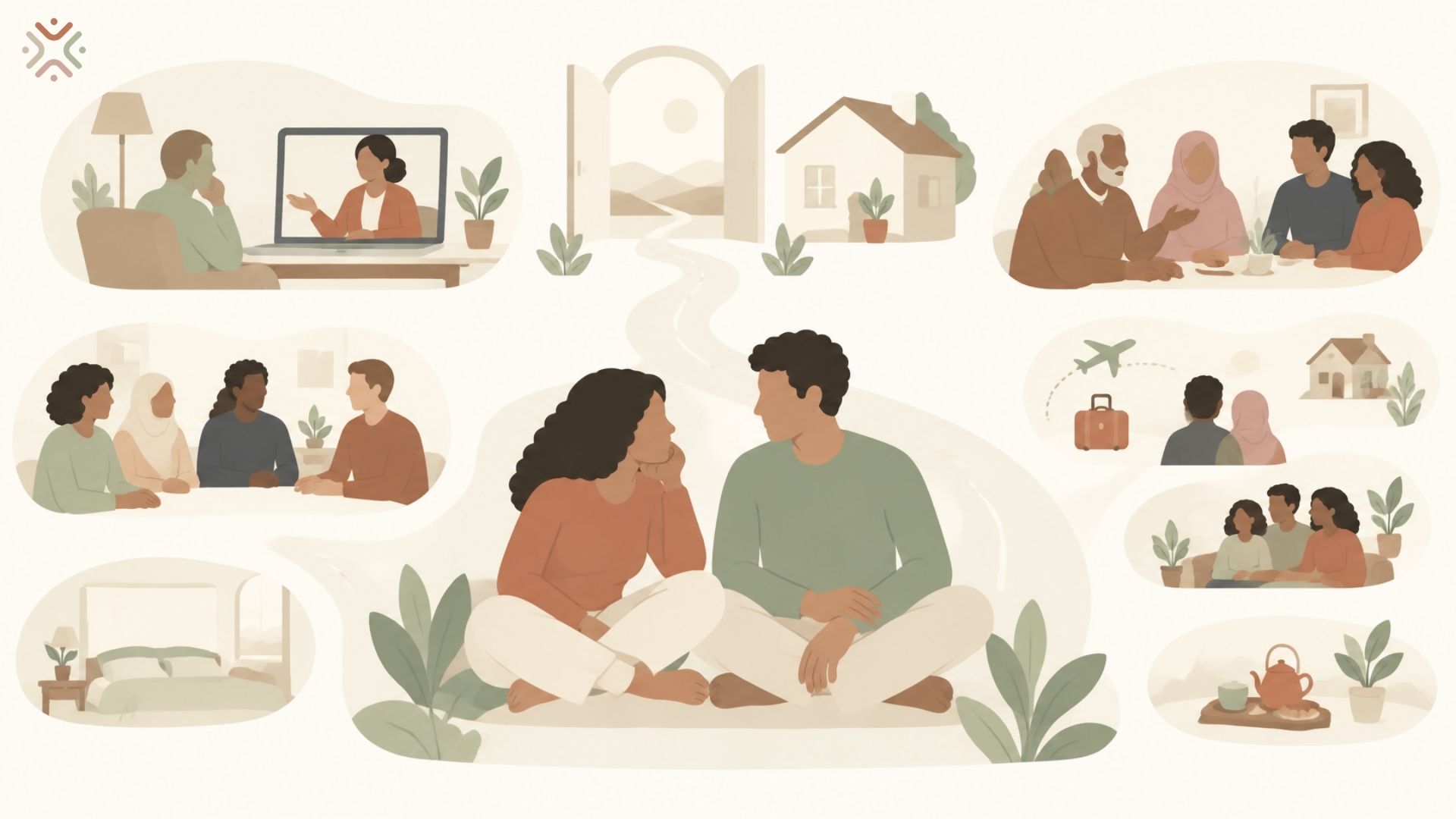
Culturally sensitive online therapy may provide space for adults who want to explore how earlier family experiences relate to their current responsibilities and wellbeing.
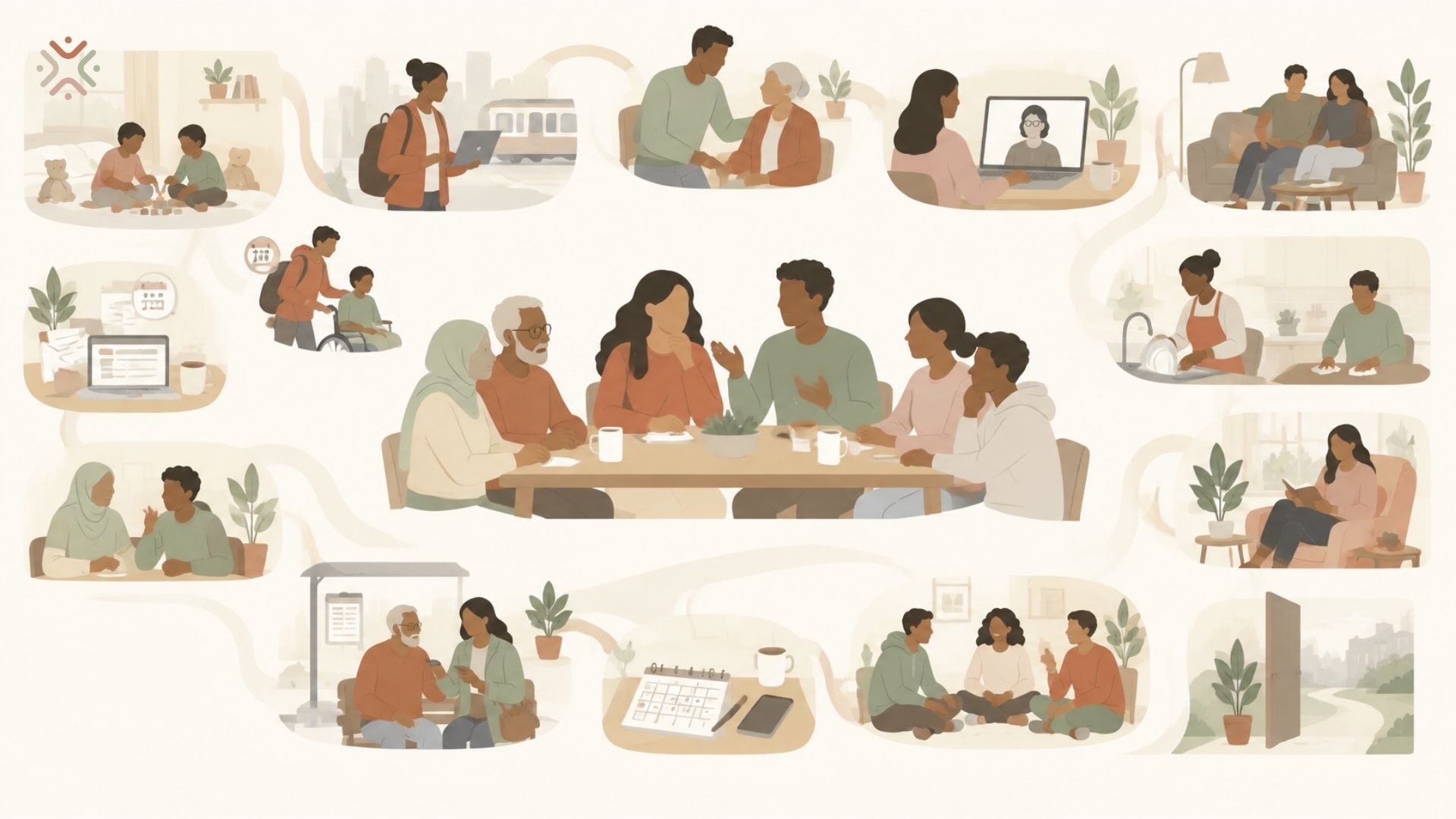
What the eldest child role can look like
Being responsible within a family is not automatically harmful.
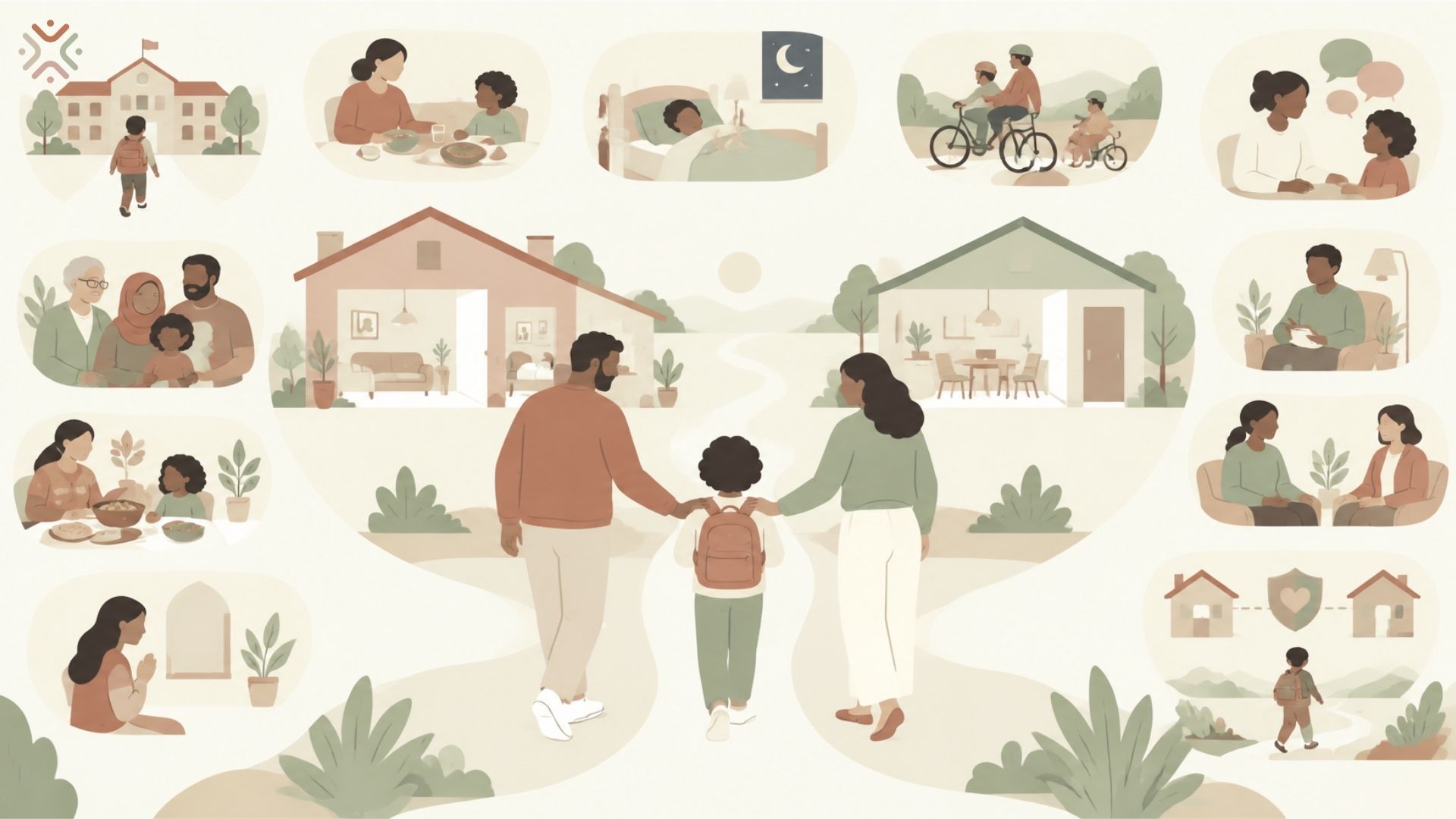
Children may help with household tasks, support siblings or participate in family routines in ways that are appropriate to their age and abilities.
These experiences can create connection, practical skills and a sense of contribution.
However, some children are expected to manage responsibilities that would ordinarily require adult support.
Clinicians and researchers sometimes use “parentification” to describe children taking on developmentally inappropriate adult-like practical or emotional responsibilities.
It is not the same as ordinary chores, occasional help or supported participation in family life.
The intensity, duration, choice, adult support and impact on the child matter.
An adult choosing to support relatives is not automatically experiencing parentification. Therapy may explore both childhood experiences and present-day responsibilities without assuming they are the same.
The translator and system navigator
Some children help relatives navigate language differences or unfamiliar institutions.
This might involve explaining letters, completing forms, assisting with online services or helping parents understand information about school, housing or appointments.
Some young people experience everyday language help as useful, connecting or a source of pride. Others feel burdened, particularly when tasks are frequent, sensitive, high-stakes or beyond their understanding.
For example, explaining a straightforward school notice is different from being expected to interpret complicated medical information or make decisions about a parent's treatment.
If adults repeatedly depend on a child for difficult decisions or sensitive communication, the child may feel responsible for outcomes they cannot reasonably control.
Children should not be expected to interpret sensitive healthcare, legal, safeguarding or therapy discussions.
Appropriate professional interpreting and accessible services can reduce pressure on the whole family.
The need for language support should not automatically become a child's responsibility simply because they communicate confidently in English.
The mediator and peacekeeper
Some children also find themselves involved in managing disagreements or emotional tensions within the household.
They may comfort siblings, listen to a parent's concerns or try to prevent arguments.
Occasional emotional support is a normal part of many family relationships.
However, a different situation arises when a child becomes a parent's primary confidant or feels responsible for resolving adult conflict.
For example, a child may repeatedly be asked to take sides in disagreements, keep distressing secrets or reassure a parent about problems they do not have the experience or resources to manage.
This can create uncertainty about what the child is expected to do and what remains an adult responsibility.
The important distinction is not whether the child is caring or helpful.
It is whether the expectations are appropriate and whether adults remain responsible for managing adult decisions and emotional difficulties.
Being expected to set an example
If reputation, education, marriage, career or others' opinions carry particular weight in your family, you may feel expected to set an example for younger siblings.
This might involve academic achievement, behaviour, career choices or participation in family responsibilities.
Some people welcome being regarded as dependable or mature. Others may find it difficult when they feel that mistakes or personal choices will affect how the whole family is perceived.
These expectations are not unique to South Asian families.
They may reflect particular family values, experiences or circumstances rather than a shared cultural rule.
What matters is whether the expectations are realistic and whether the person has room to make age-appropriate choices.
Why boundaries can feel difficult
Family responsibilities can remain important throughout adulthood.
You may genuinely want to help parents, maintain close relationships with siblings or contribute to the wellbeing of relatives.
Difficulties may arise when responsibilities become difficult to manage alongside work, relationships, health or other commitments.
Responsibility can become part of how you see yourself
If you have often been relied upon for practical or emotional support, you may associate being dependable with your place in the family.
You might feel uncomfortable asking someone else to take over a task or worry about disappointing relatives when you are unavailable.
Questions may include:
- What happens if I cannot help this time?
- Could another relative take responsibility?
- Am I expected to manage something beyond my abilities?
- What support does the person actually need?
- Which responsibilities do I genuinely want to maintain?
These questions do not automatically indicate an unhealthy family relationship.
They may simply reflect the need to reconsider arrangements as circumstances change.
The question is whether you feel expected to do more than is manageable, or to take responsibility for needs and decisions that others could share.
Gratitude and guilt can coexist
Some readers connect their sense of responsibility with what their parents have experienced, such as migration, discrimination, financial pressure or illness. Others may not share this history.
Someone may appreciate the opportunities their family provided while also feeling exhausted by current responsibilities.
These experiences can coexist.
Gratitude does not necessarily create an obligation to accept every request.
Equally, family support can be reciprocal, and closeness or shared responsibility may be valued rather than experienced as a burden.
Parents and relatives may provide childcare, financial assistance, emotional support or practical help well into their children's adult lives.
When feelings of gratitude make it difficult to acknowledge distress, it may be useful to explore how gratitude can silence emotional pain.
Boundaries may feel like rejection
Some people worry that asking for more privacy or changing a familiar family arrangement will be interpreted as rejection.
For example, an adult child may want to reduce how often they manage appointments for a parent.
A sibling may wish to share caregiving responsibilities more evenly.
Someone may want time for work, friendships or their romantic relationship while continuing to maintain family contact.
These preferences can be discussed without assuming that increased independence is always the appropriate outcome.
Boundaries may help make care more sustainable, but they may need to be combined with practical support, shared planning and attention to safety.
Where someone depends on essential care, changes may need to be planned with appropriate services rather than made abruptly or transferred to a younger sibling.
For additional context, family expectations and personal boundaries may be useful to explore.
Eldest daughters, eldest sons and gendered expectations
Family responsibilities may be shaped by gender expectations, but there is no universal division between daughters' and sons' roles.
Experiences can differ within the same household.
Eldest daughters and emotional labour
Some eldest daughters describe expectations to notice and manage practical or emotional needs, sometimes alongside unequal expectations of brothers or other siblings.
They may have helped with cooking, cleaning, caring for younger children or organising family activities.
Others may remember being expected to recognise when relatives were upset or to provide reassurance during disagreements.
These experiences are not automatically harmful.
The important question is whether the responsibilities were manageable, fairly distributed and supported by adults.
Noticing others' moods can be useful. If it becomes difficult to switch off, creates persistent fear or interferes with rest, it may be worth exploring with a clinician.
Some women continue to value caregiving in adulthood while wanting different arrangements from those they experienced earlier.
Others may not identify with these expectations at all.
Eldest sons and pressure to provide
Some eldest sons describe expectations around earning, achievement, protection or appearing emotionally strong.
For example, a son may feel expected to contribute financially, support relatives with practical matters or remain dependable during difficult periods.
These responsibilities may reflect personal values and family circumstances.
They may become difficult when someone believes they cannot ask for help, express uncertainty or make choices that differ from family expectations.
However, financial provision and emotional restraint should not be assumed to define the eldest-son role.
These expectations can overlap or be reversed. Daughters may provide financially; sons may provide substantial emotional and practical care. Trans and nonbinary eldest siblings may recognise some of these pressures too.
Individual experiences matter more than assumptions based on birth order or gender.
Resentment does not necessarily mean a lack of love
Some people experience resentment when responsibilities seem unfairly distributed or when their contributions are not acknowledged.
Others may feel frustrated because their circumstances have changed but family arrangements have remained the same.
Resentment can be a reason to examine unmet needs, fairness, capacity or conflict. It does not, by itself, establish why the feeling developed or what change is needed.
For example, resentment about helping a relative might reflect exhaustion, a lack of practical assistance or an unresolved disagreement.
The appropriate response depends on the circumstances.
It may involve a conversation, a change in responsibilities, additional support or a better understanding of what each person needs.
How family responsibilities may affect adult life
Some people notice similar patterns of responsibility in work, friendships or relationships. Others do not.
Having taken on substantial responsibilities during childhood does not determine how someone will behave as an adult.
However, reflecting on earlier experiences may help some people understand their current preferences and difficulties.
Romantic relationships and family commitments
Family responsibilities can affect how partners organise their time, finances and shared plans.
For example, one person may regularly help relatives with appointments while their partner wants more time together.
Another may feel comfortable discussing family decisions with parents, while their partner prefers greater privacy.
These disagreements are not necessarily caused by childhood roles.
They may reflect practical demands, different expectations or communication difficulties.
It can help to consider which decisions affect both partners and which remain individual choices.
Neither family expectations nor a romantic partner's preferences should automatically override someone's autonomy.
Where both partners can communicate freely and safely, discussing these arrangements may help clarify their needs.
Work and the pressure to achieve
Some people who identify with this responsibility-heavy role also describe high expectations of themselves at work.
They may feel uncomfortable delegating, worry about disappointing colleagues or take on additional tasks even when their workload is already demanding.
These experiences can have many explanations, including workplace culture, financial pressures, personality and previous experiences.
They should not automatically be attributed to birth order or family history.
It may be helpful to examine whether expectations are realistic and what practical changes are available.
For people who connect achievement with personal worth, perfectionism and the pressure to succeed in immigrant families may provide additional context.
Sibling relationships may change over time
Responsibilities between siblings often change as people grow older.
One sibling may have provided substantial help during childhood but find that the same arrangement is no longer appropriate.
Another sibling may want more independence or the opportunity to contribute differently.
These changes can require discussion.
For example, siblings may need to reconsider how they share support for an ageing parent or how financial assistance is organised.
The goal does not have to be equal contributions in every situation.
A fair arrangement may depend on each person's abilities, finances, location, health and other commitments.
Recognising these differences can help families consider what is realistic without assuming that one sibling must remain responsible for everything.
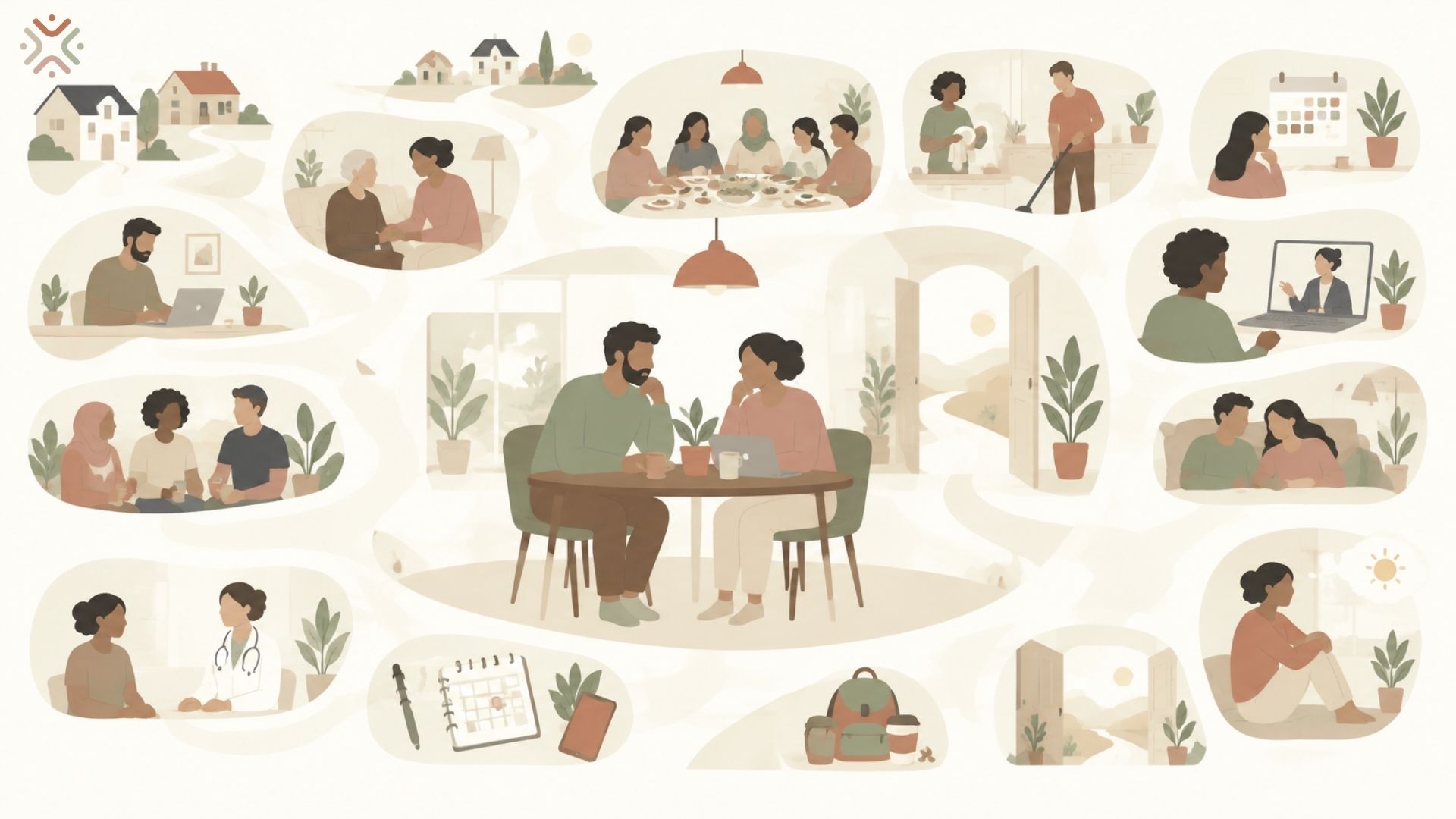
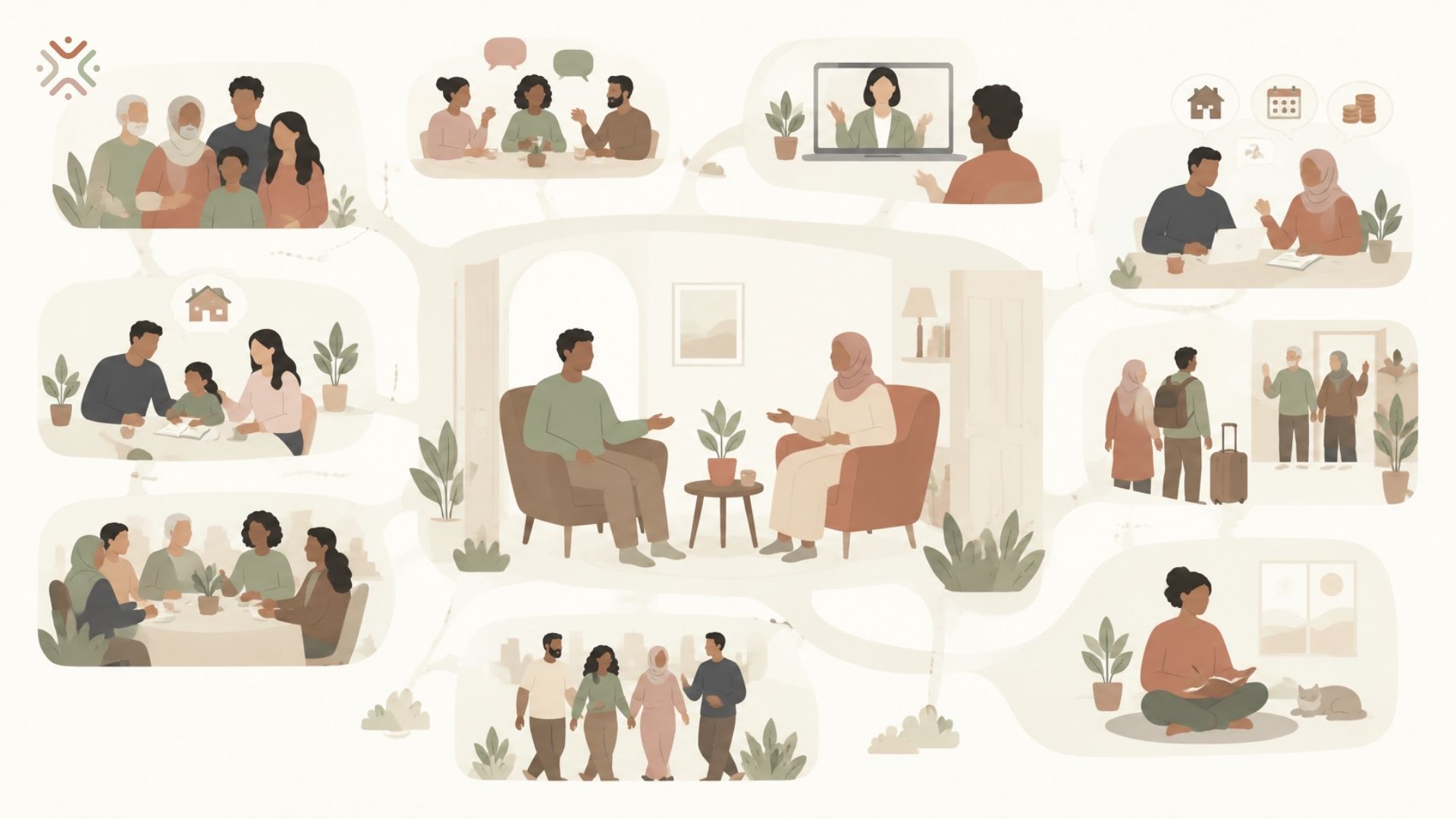
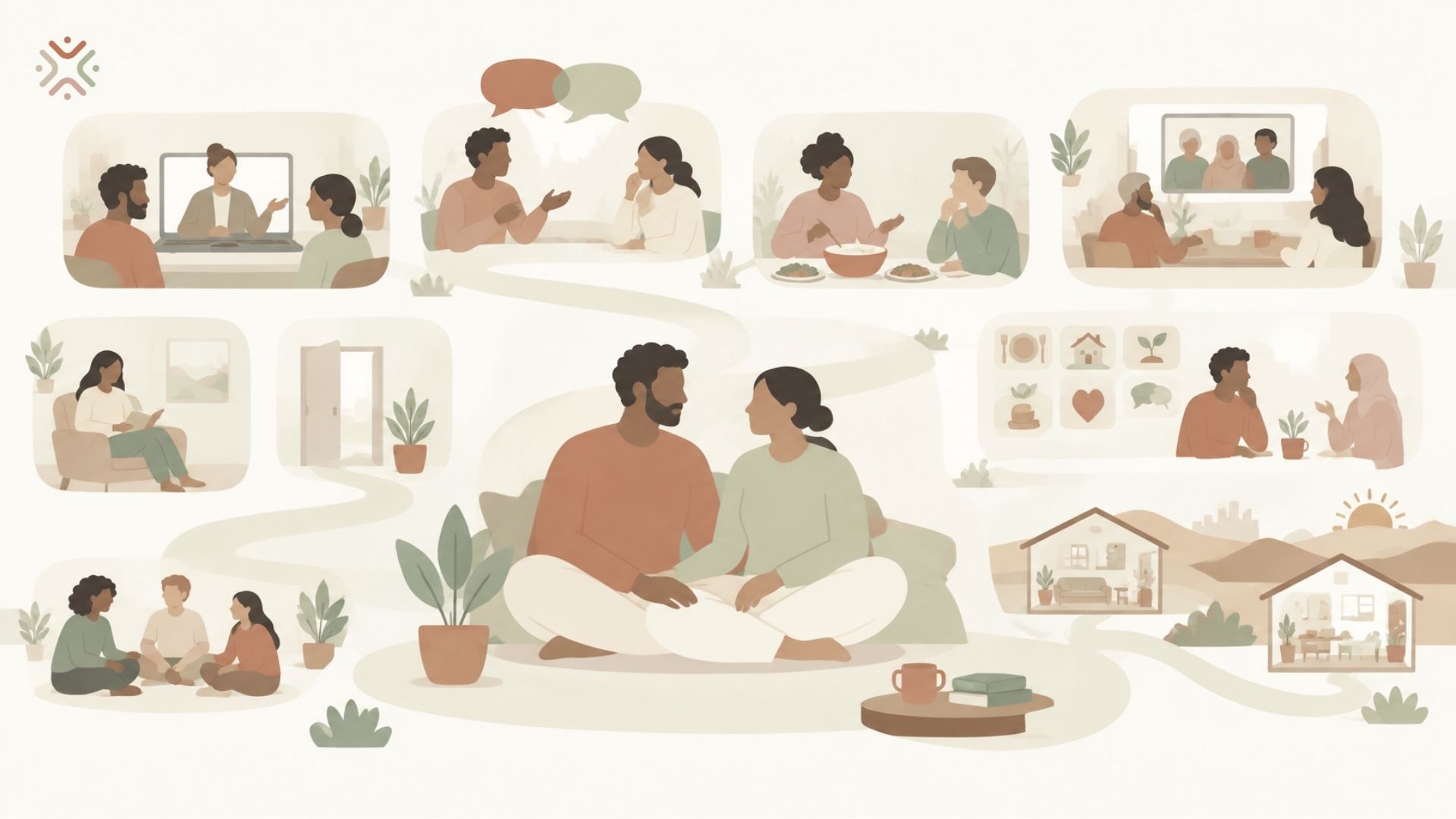
How online therapy may support adults reflecting on family roles
Online therapy may offer a setting to explore earlier experiences, current responsibilities and the feelings associated with them.
These experiences do not automatically indicate a mental health disorder, and not everyone needs therapy.
Where support is wanted, goals should reflect the individual's needs rather than assume they must reject family responsibilities or become more independent.
Understanding responsibilities in context
Some adults want to explore how their family role developed.
They may remember helping during a period of illness, supporting siblings while parents worked or taking on responsibilities during a difficult family transition.
A culturally responsive therapist should consider the circumstances surrounding those experiences rather than assuming that every form of caregiving was harmful.
This might include family resources, migration history, religious values, disability, illness and the availability of adult support.
Naming a pattern may help you consider which responsibilities you want to retain and which need to change.
The purpose is not to blame relatives or reinterpret every childhood memory as evidence of harm.
Learning boundaries that reflect your circumstances
These examples are for situations where it is reasonably safe to express disagreement. If saying no could lead to threats, violence, loss of essential support or increased monitoring, seek confidential specialist advice before confronting anyone. You do not have to announce your plans to begin seeking help.
Boundaries do not have to be cold or dramatic.
Where it is safe and practical, they may sound like:
“I can help with this tomorrow, but not tonight.”
“I cannot manage this responsibility alone.”
“Could we discuss how to share these tasks?”
“I want to support you, but I need some time to rest.”
“I would like to make this decision myself.”
These statements are examples rather than rules.
They should not be used where speaking openly could create a credible risk of retaliation.
Additional support may involve sharing tasks, arranging professional interpreting, seeking care advice or accessing services for the person who needs help.
Therapy can support decisions and emotional wellbeing, but it cannot replace adequate care provision or accessible institutions.
For individual support with family responsibilities, guilt or emotional distress, you can explore Thera's online individual therapy.
Understanding guilt without assuming what it means
Guilt may arise when someone changes a familiar arrangement or considers a decision that others may dislike.
However, guilt can have several meanings.
It may relate to a responsibility you value, harm that needs repair, fear of disapproval or expectations that exceed your capacity.
Feeling guilty does not automatically mean a boundary is wrong, or that it is right.
It may be useful to consider what happened, whether someone depends on your support, which alternatives are available and what responsibilities you genuinely want to maintain.
A therapist may help you explore these questions without directing you toward a predetermined decision.
Choosing appropriate online support
Before booking, ask about the clinician's relevant experience and ability to provide care where you are located.
Discuss confidentiality limits, records, fees and urgent-support arrangements.
Online sessions require a sufficiently private setting; being at home does not guarantee privacy.
For example, someone living with relatives may prefer to arrange a session from another appropriate location if conversations could otherwise be overheard.
You should also consider whether the therapist understands the practical and cultural context of your concerns.
A shared cultural background is not necessarily required, but professional competence, respectful communication and an appropriate therapeutic approach matter.
When family therapy may help
Sometimes difficulties involve several family members who want to reconsider responsibilities or improve communication.
For example, siblings may disagree about how care is distributed, or parents and adult children may have different expectations about privacy and availability.
Family therapy may be one option when participants want to address these concerns together.
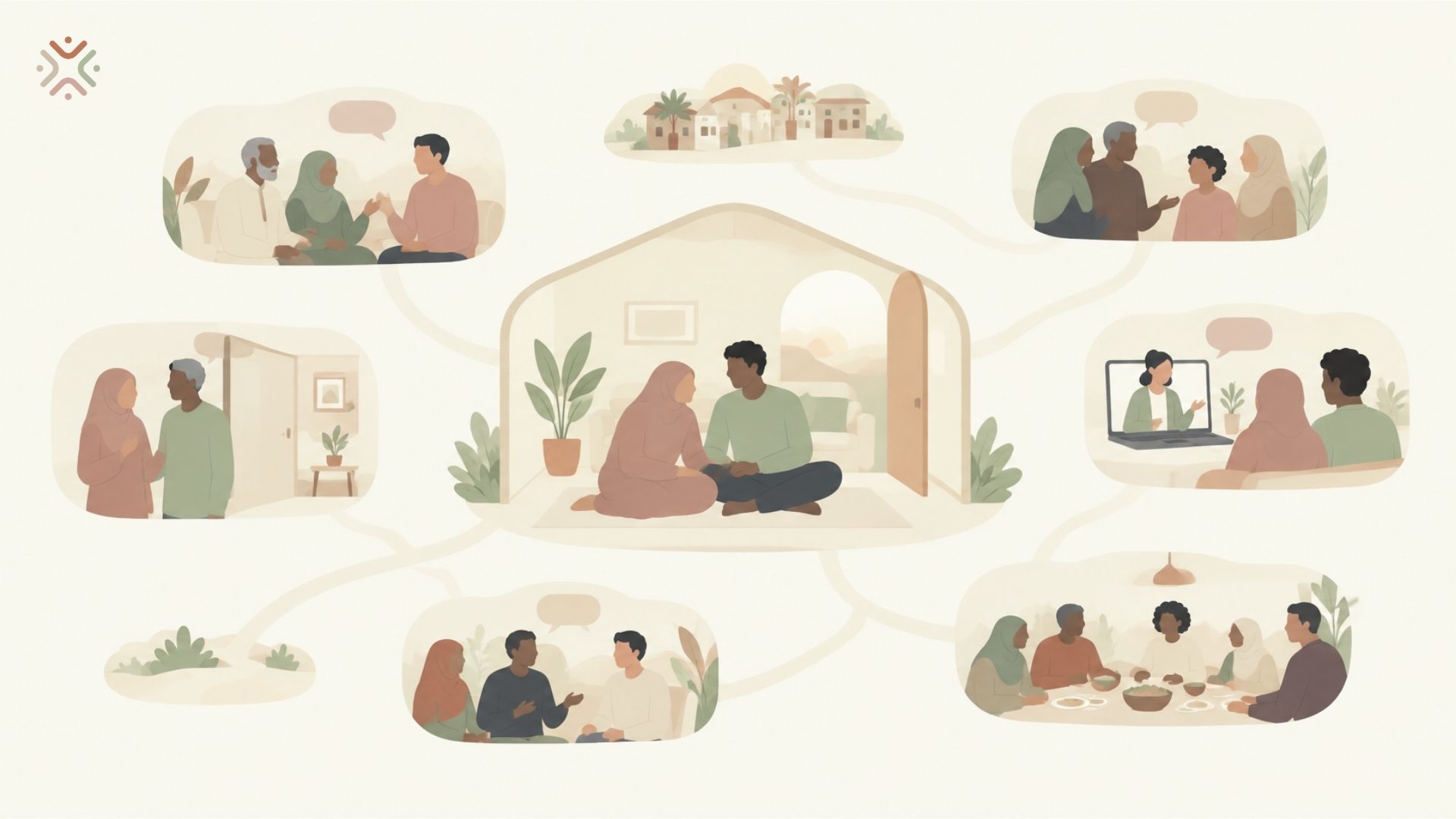
Online family therapy may reduce travel or scheduling barriers and offer a structured setting where joint work is appropriate. The clinician should first assess whether everyone can participate without pressure or fear of consequences.
Joint sessions are not the default response to abuse, coercive control or intimidation. Individual support, safeguarding or specialist advice may be needed before involving other relatives.
The clinician should explain who the client or clients are, how separate conversations are handled, and what confidentiality and information-sharing arrangements apply.
Participants should not assume that information shared privately with the therapist will automatically remain undisclosed to other family members.
Where joint work is suitable, it may involve discussing responsibilities, practical support and expectations without requiring everyone to agree about the past.
Thera provides information about online couples and family therapy.
However, therapy is not a substitute for professional care services where someone needs ongoing practical or medical assistance.
When practical or specialist support is needed
Some family responsibilities are primarily practical rather than psychological.
A relative may need assistance because of illness, disability, older age or difficulties accessing services.
In these situations, appropriate support may involve healthcare providers, social care services, professional interpreters or organisations supporting unpaid carers.
Support for people with caregiving responsibilities
Adults caring for relatives in the UK may be able to seek advice about the assistance available to them and the person receiving care.
For example, in England, an adult carer can request a carer's assessment from their local council.
The person receiving care may also be eligible for an assessment of their own needs.
Arrangements vary across the UK, so readers should check the services available in their location.
More information is available through the NHS guidance on carer's assessments.
For adults reflecting on having provided substantial care during childhood, the NHS also explains young carers' rights.
These resources recognise that children should not be expected to carry the same responsibilities as adult carers.
Access to appropriate services may help families distribute care more sustainably without requiring one person to withdraw support abruptly.
When responsibility becomes unsafe
Family responsibility can be meaningful, but threats, coercion, forced-marriage pressure, financial control, surveillance or violence require a different response from ordinary disagreements.
These risks can occur in families of any cultural or religious background.
They should not be presented as characteristic of South Asian families.
If saying no could put you in danger, the priority is safety rather than finding the perfect words for a family conversation.
You do not need to confront relatives, disclose a relationship, participate in family mediation or announce plans to seek help before obtaining appropriate support.
Where someone may be monitoring your phone, messages, browser history or online appointments, consider whether it is safe to communicate from your current device or location.
A specialist service may help you identify safer ways to make contact.
In the UK, the Forced Marriage Unit provides advice concerning forced marriage.
Other situations involving domestic abuse or coercive control may require specialist safeguarding, legal or domestic abuse support.
Online therapy may support emotional processing, but it cannot replace emergency services or specialist assistance when there is a risk of harm.
What research suggests
Research distinguishes ordinary family contribution from responsibilities that are developmentally inappropriate or difficult to manage without adequate support.
A systematic review of 95 studies found varied outcomes associated with parentification. Emotional parentification was more consistently associated with distress than some forms of practical responsibility. Many studies relied on retrospective accounts and cross-sectional designs, so the findings do not establish a single causal pathway or predict an individual's future (Dariotis et al., 2023).
A qualitative study of 10 South Asian adults from Nepal explored both burdens and perceived growth associated with childhood caregiving roles. Five participants were eldest children. The small, selected sample was not representative of South Asian adults in the UK and did not test birth-order differences or therapy effectiveness (Tiwari & Woodward, 2026).
These findings support exploring the nature and impact of responsibilities rather than assuming that being the eldest is inherently harmful. They do not establish that online therapy specifically treats an “eldest child” condition.
You can care without carrying everything
Being an eldest daughter or eldest son does not determine who you are or how you will relate to others.
Some people value the responsibilities they have taken on. Others want to reconsider arrangements that have become difficult to manage.
Both experiences deserve to be understood in context.
You can appreciate the support your family has provided while acknowledging your own needs.
You can choose to help relatives while considering what assistance is realistically available.
You can also recognise that some responsibilities require practical services or cooperation from other family members rather than individual effort alone.
There is no single appropriate level of family involvement for everyone.
The relevant questions are whether responsibilities are manageable, whether choices can be made freely and whether adequate support is available.
If you would like to explore family expectations, identity or emotional wellbeing, you can find more resources on the Thera blog.
You can also browse Thera's therapist directory to explore professionals whose experience and approach may be relevant to your circumstances.
If you have questions about accessing online therapy, you can arrange a free discovery call when it is safe and private for you to make contact.
Emotional responsibility may be an important part of your family history, but it does not have to provide the only framework for understanding your life today.













 Previous article
