Choosing an online therapist is not only about finding someone with the right qualifications. It is also about finding someone who can understand the context of your life: your culture, family background, identity, values, migration history, community expectations and the experiences that have shaped how you see yourself.
For BIPOC people, people of color, immigrant and diaspora communities, racialised groups and those from culturally diverse families, therapy can feel complicated. You may wonder whether a therapist will understand racism, code-switching, family pressure, religious or cultural values, intergenerational trauma or the feeling of living between cultures.
You may not need a therapist who shares your exact identity. But you do need someone who respects it, takes it seriously and does not reduce your struggles to simple symptoms without understanding the wider story.
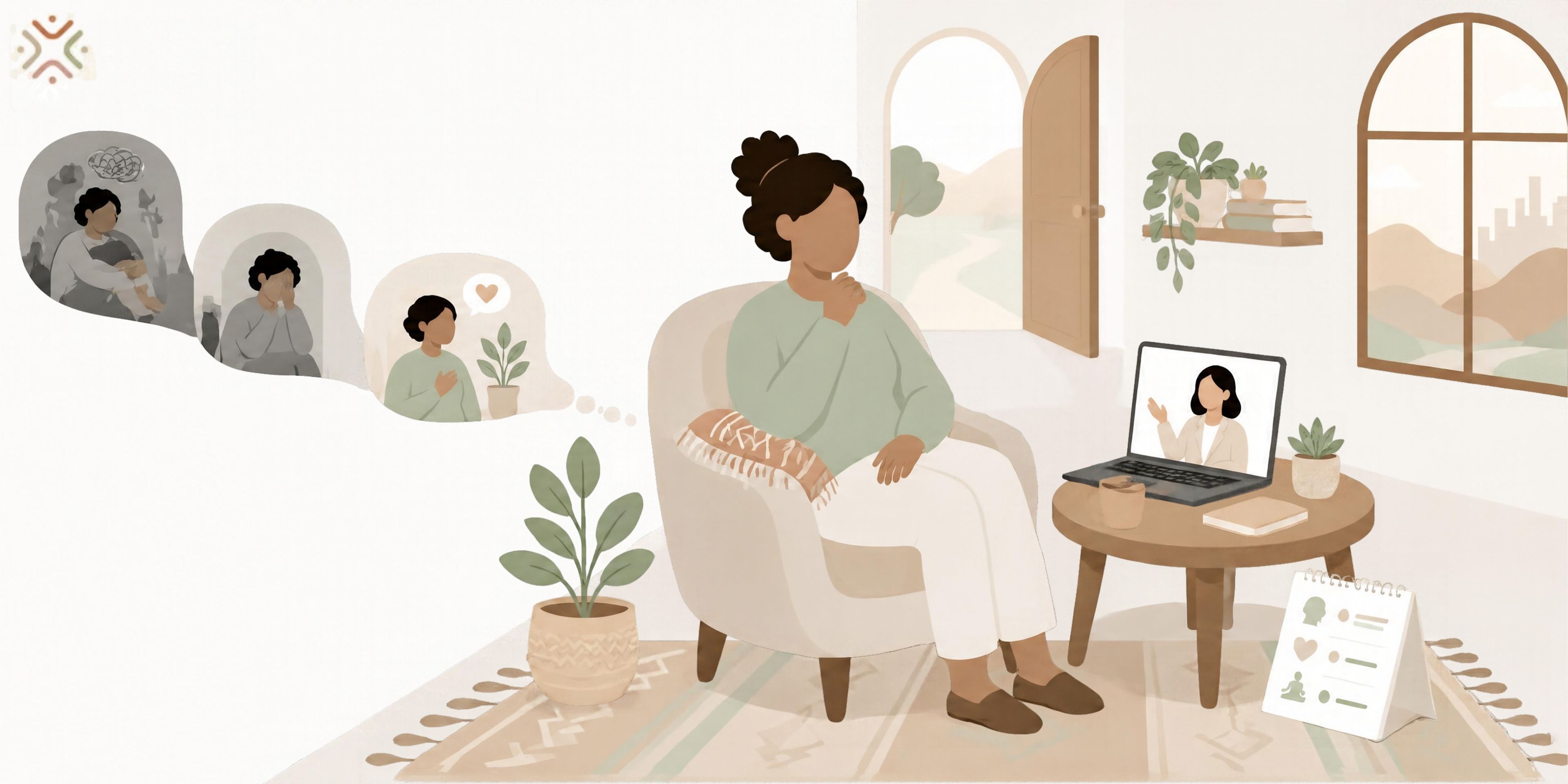
Culturally sensitive online therapy can help you feel seen as a whole person, not just as a diagnosis, a problem or a set of behaviours.
Why cultural understanding matters in therapy
Therapy works best when the therapist understands that mental health does not exist in isolation. Anxiety, depression, burnout, shame, relationship stress or trauma may be connected to family expectations, migration, racism, religion, language, gender roles, identity or community pressure.
A culturally sensitive therapist does not assume that every person from a certain background has the same story. Instead, they know how to ask better questions, listen for context and make space for complexity.
Therapy is not only about symptoms
Two people can describe the same symptom but need very different kinds of support.
For example, “I feel anxious all the time” might mean fear of failure at work, pressure to support family financially, anxiety about disappointing parents, stress from racism, or guilt about choosing a different life path than expected.
Imagine a young professional from an immigrant family who cannot sleep before every major career decision. On the surface, this may look like ordinary work stress. But underneath, they may be carrying the pressure of being the first in the family to graduate, earn a high salary or create stability for younger siblings.
Without cultural context, therapy may miss the emotional meaning behind the symptom.
For people who are unsure whether what they feel is “serious enough” for support, it can help to ask when emotional struggles become too heavy to carry alone.
When your therapist understands more than the words you say
People do not always communicate only through direct words. Sometimes they communicate through hesitation, silence, minimising, nervous laughter or avoiding a topic altogether.
A culturally aware therapist may better understand why certain subjects feel sensitive: marriage pressure, family conflict, racism, immigration status, religious or cultural guilt, divorce, sexuality, community reputation, money, caregiving or boundaries with parents.
This does not mean the therapist should assume they know everything about your background. Good cultural sensitivity is not stereotyping. It is the ability to ask respectful questions, notice what may be difficult to name and make space for contradiction.
You should not have to spend every session educating your therapist from zero before you can talk about what hurts.
Family, community and identity as part of emotional life
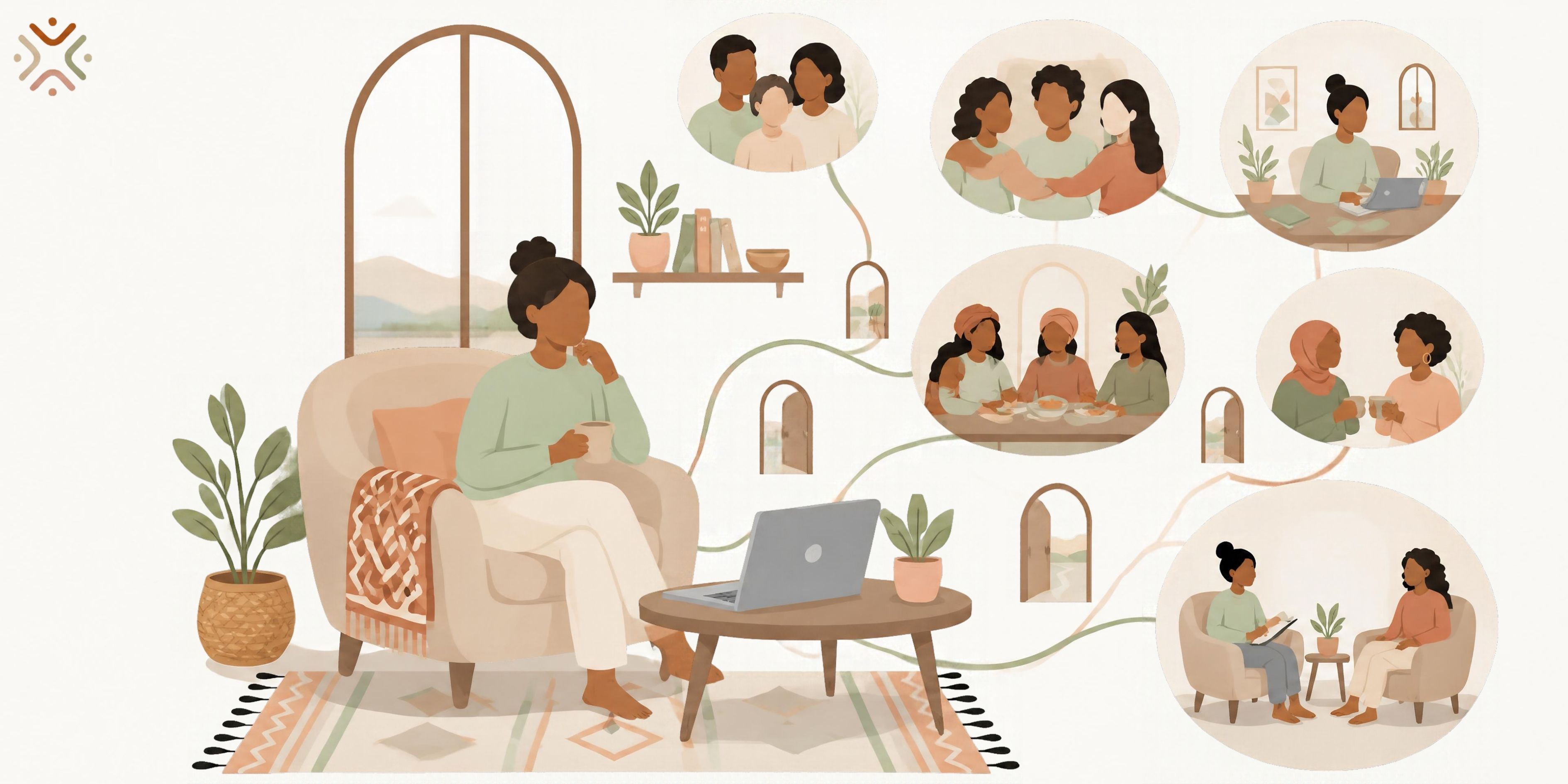
For many people from minority, immigrant or diaspora backgrounds, family and community are not separate from mental health. They may be sources of love, identity and resilience. They may also be connected with pressure, guilt, fear of judgment or emotional silence.
Someone may want to set boundaries with parents but fear being seen as disrespectful. A woman may feel exhausted from caregiving but guilty for needing rest. A young adult may want therapy but worry their family will see it as shameful. A mixed-race or third-culture person may struggle to feel fully accepted anywhere.
These are not “side issues.” They are part of the emotional landscape.
For people who feel split between different cultural worlds, identity and belonging can become part of the therapy process.
What can happen when context is missing
When cultural context is missing, therapy can feel frustrating, shallow or even harmful. A person may feel misunderstood, over-explained, judged or pressured into choices that do not fit their reality.
This can make it harder to be honest in therapy. Instead of feeling supported, someone may feel they have to defend their family, explain their culture or make their pain easier for the therapist to understand.
Feeling forced to explain basic parts of your life
Some people spend more time explaining their culture than exploring their emotions. They may need to explain why family approval matters, why moving out is complicated, why community reputation feels powerful, why racism is exhausting or why “just saying no” is not simple.
For example, someone may tell a therapist they feel guilty about not visiting their parents every weekend. A therapist without cultural understanding might quickly suggest creating distance. But for that person, family care may be tied to love, duty, migration sacrifice and personal identity.
A better therapist would explore the full picture: What does family mean to you? What feels loving? What feels too heavy? What kind of boundary would protect you without violating your values?
Feeling judged or simplified
Some people fear that a therapist will judge their family, religion or culture too quickly. Others fear the opposite: that a therapist will romanticise culture and minimise harm.
Both can be damaging.
Culturally sensitive therapy should allow room for truth. You can love your family and still feel hurt by them. You can value your culture and still question certain expectations. You can respect tradition and still need support with anxiety, depression, trauma or boundaries.
The goal is not to label culture as good or bad. The goal is to understand how it affects your life.
Avoiding important topics
If people feel misunderstood, they may avoid discussing the very issues that matter most. They may talk about work stress but avoid racism. They may talk about anxiety but avoid family pressure. They may discuss sadness but avoid trauma, shame or community rejection.
Over time, therapy can become polite but not deeply healing.
A therapist who is a good fit can help you feel safe enough to bring more of yourself into the room, especially when emotional pain is connected to migration, family violence, racism or intergenerational stress.
What to look for when choosing a culturally sensitive online therapist
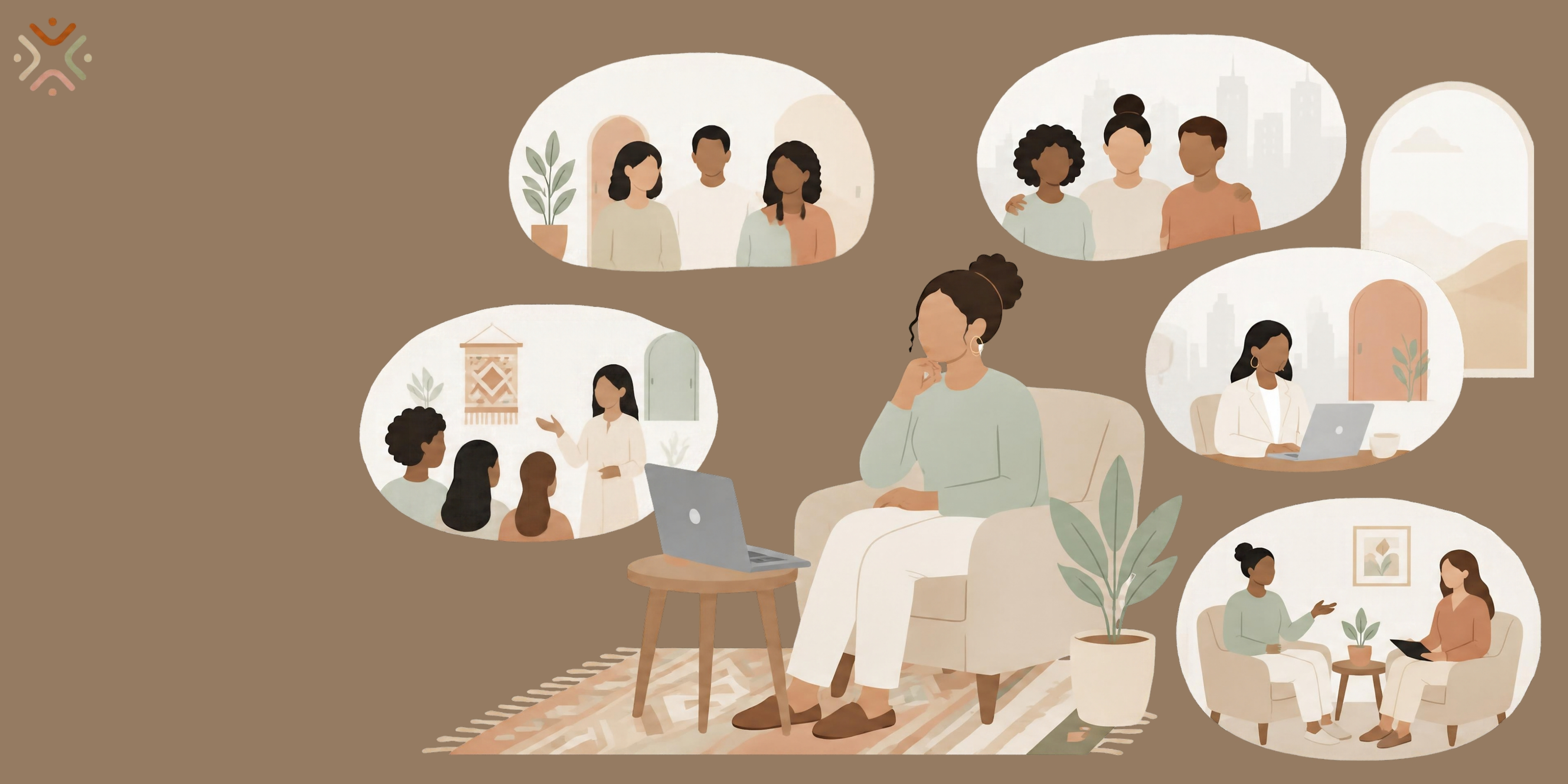
The right therapist is not always the one with the most impressive profile. It is the person who offers trust, emotional safety, relevant experience and respectful communication.
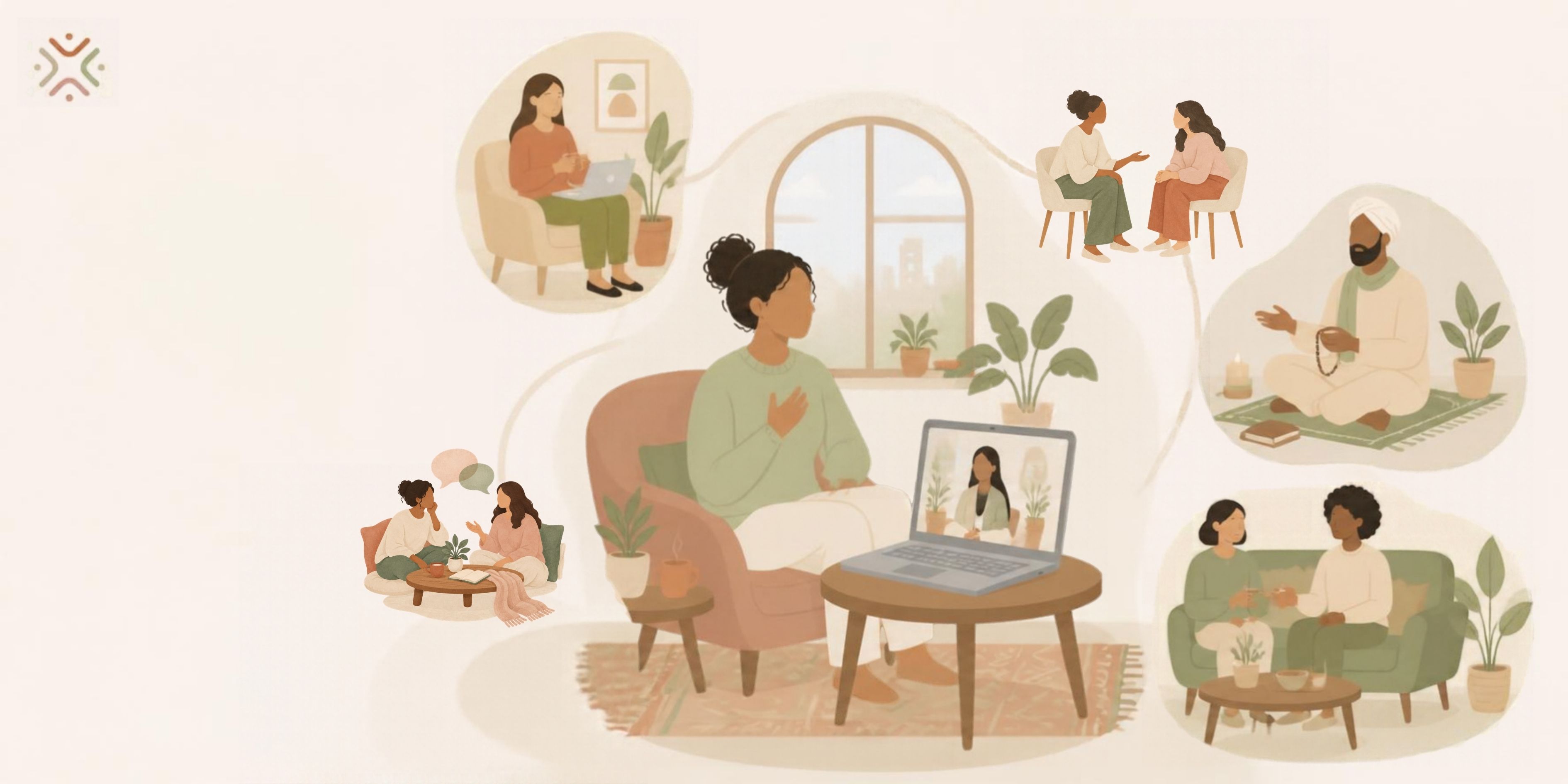
Online therapy can make this process easier because you are not limited only to therapists in your local area. You can explore different profiles, approaches, languages and areas of experience before deciding what feels right.
Relevant experience with diverse communities and intercultural issues
Look for signs that the therapist has experience with culturally diverse communities, immigrant and diaspora families, racial identity, family systems, intergenerational trauma, discrimination, mixed cultural expectations or life between cultures.
This experience can reduce the burden of having to explain everything from the beginning.
Useful areas of experience may include:
- racism, microaggressions and racial stress;
- migration, homesickness and identity loss;
- family expectations and personal boundaries;
- relationship pressure and community judgment;
- trauma, grief and intergenerational pain;
- parenting children across cultures;
- religious or cultural guilt;
- workplace burnout among underrepresented professionals.
If family expectations make it difficult to know where your own needs fit, it may help to explore boundaries in culturally diverse families.
Respect for values without imposing advice
A culturally sensitive therapist should respect your values without forcing their own worldview onto you.
If religion, spirituality, family duty or cultural identity matters to you, therapy should make space for that. At the same time, a therapist should not act as a religious authority, community elder or family judge. Their role is not to tell you what your culture or faith “requires.” Their role is to help you understand your emotions, choices, patterns and needs.
For example, if you feel torn between personal wellbeing and family expectations, therapy should help you explore that conflict thoughtfully, not pressure you into rebellion, silence or guilt.
If guilt, culture and family pressure are part of the struggle, culturally sensitive online therapy can help you understand fear and inner conflict without dismissing your values.
A communication style that feels emotionally safe
The first contact or first session can tell you a lot. Notice how you feel when speaking with the therapist.
Do they listen carefully?
Do they ask thoughtful questions?
Do they respect your background?
Do they avoid stereotypes?
Do they allow you to explain context?
Do they make you feel rushed, judged or dismissed?
Some discomfort is normal at the beginning of therapy. Speaking honestly can feel unfamiliar. But shame, pressure, minimising or cultural dismissal are warning signs.
A good therapist should help you feel safe enough to be honest, even when the topic is difficult.
Questions to ask before starting therapy
You are allowed to ask questions before choosing a therapist. This does not make you difficult. It helps you make an informed decision.
You might ask:
- Have you worked with people from culturally diverse or immigrant backgrounds?
- Are you licensed, registered or otherwise qualified to practise therapy in the place where I will be during sessions?
- What is your professional registration number, and where can I verify it?
- How do you approach cultural identity in therapy?
- Are you comfortable discussing racism, discrimination or microaggressions?
- How do you support people dealing with family expectations?
- Can I talk about religion, spirituality or cultural values if they are important to me?
- How do you protect confidentiality?
- What should we do if there is a technical problem, an emergency or I am not in my usual location during a session?
- What is your approach to trauma, anxiety, depression or burnout?
- What happens if I feel misunderstood during a session?
The therapist’s answers do not need to be perfect. But they should be respectful, clear and open.
This is also a good moment to think about confidentiality in therapy, especially if privacy is one of your biggest concerns.
How online therapy can make culturally aware support easier to access
Many people cannot find the right therapist in their local area. This may be especially true for those living in smaller cities, conservative communities, expat settings or places where culturally sensitive mental health support is limited.
Online therapy can widen your options. It can help you choose based on fit, experience, language, privacy and values, not only geography.
You are not limited to therapists in your city
If you live somewhere with few therapists who understand your background, online sessions can give you more choice. You may be able to work with someone who has experience with people of color, immigrant families, multicultural relationships, racial trauma or identity questions.
For some people, language matters too. Speaking about shame, grief, family or trauma may feel different in a first language or heritage language. Online therapy can make it easier to search for someone who understands that.
You can browse Thera's therapist directory to look for someone whose approach feels aligned with your identity, values and needs.
Privacy and flexibility for busy or sensitive lives
Online therapy may also feel more private. You do not have to sit in a waiting room or worry about being seen entering a clinic. This can matter for people who live in close-knit communities, share family networks or feel nervous about others knowing they are seeking support.
It can also fit around work, study, parenting, caregiving or travel. Still, privacy requires planning: use headphones, choose a private space where possible, position your screen away from others, use a personal device rather than a shared one, and turn off nearby smart speakers or recording devices.
For private support with anxiety, trauma, burnout, family pressure or identity questions, online individual therapy may be a helpful place to begin.
Finding support that respects your whole identity
The right therapist should not ask you to hide parts of yourself to be understood. You should be able to talk about race, culture, family, faith, gender, migration, language, grief, ambition, shame and doubt.
Therapy should not make you smaller. It should help you feel more whole.
You can explore more articles on identity, culture and emotional wellbeing on the Thera blog. If you want to ask questions before choosing a therapist, you can book a free discovery call and explore whether online therapy feels right for you.
You deserve to be understood in context
Choosing a therapist is a personal decision. You may not find the perfect fit immediately, and that is okay. What matters is looking for someone who can meet you with respect, curiosity and emotional safety.
For people from racialised, immigrant, multicultural or marginalised communities, culturally sensitive online therapy can make a real difference. It allows your story to include more than symptoms. It makes room for history, family, culture, identity and the pressures you may have carried for a long time.
You deserve support where you do not have to translate your whole life before you can begin healing.
The right therapist should not make your culture feel like a complication. The right support should help you feel understood as a whole person.












 Previous article
