For many people, starting therapy is not only an emotional decision. It is also a question of privacy.
Who will know?
What will be written down?
Could someone from my family, workplace or community find out?
Will I be judged if I talk about things that are usually kept private?
For some BIPOC people, people of color, immigrant and diaspora communities, racialised groups and those from culturally diverse families, these questions can feel especially important. Therapy may carry fears around reputation, family honour, community judgment, racism, cultural misunderstanding or mistrust of institutions.
Confidentiality is one of the foundations of therapy. It helps create a space where people can speak honestly without having to protect everyone else’s image. When therapy feels private, discreet and emotionally safe, people are more likely to talk about what is really affecting them, not only the version of the story they feel allowed to share publicly.
Culturally sensitive online therapy can make support feel more accessible for people who need privacy, flexibility and a therapist who understands that mental health does not exist outside culture, family, identity and lived experience.
Why privacy can feel especially important in many communities
Privacy concerns can be one of the biggest barriers to therapy. Many people are not only worried about their own emotions. They are also thinking about family reputation, community gossip, workplace image or being misunderstood by someone outside their culture.
In close-knit families or communities, seeking therapy can feel visible even before the first session begins.
Fear of gossip, judgment or reputation damage
In some communities, personal choices can feel public. A person may worry about being seen entering a clinic, recognised in a waiting room or asked uncomfortable questions by relatives, neighbours, colleagues or community members.
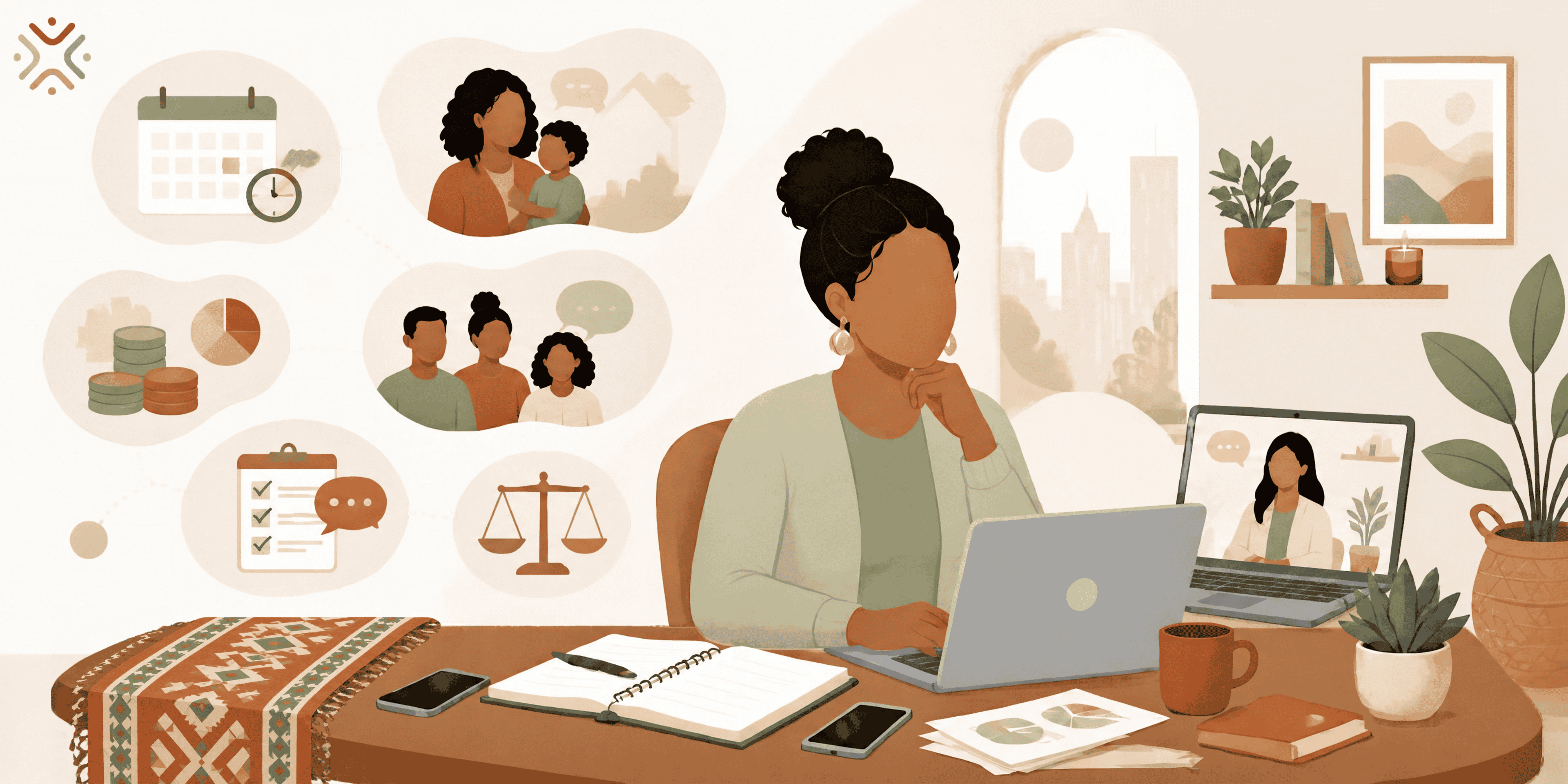
Imagine a young professional from an immigrant family who has been struggling with anxiety for months. They want help, but the idea of being seen at a local mental health centre feels unbearable. They imagine someone telling their parents, relatives or people from their community. Instead of booking support, they keep pretending they are fine.
This fear can delay help even when therapy would be useful. It does not mean the person is being dramatic. It means privacy feels connected to safety.
For people already navigating racism, cultural pressure or family expectations, the fear of being judged can make therapy feel like another risk.
When family expectations make it hard to ask for help
Some families interpret therapy as shameful, unnecessary or a sign that something is “wrong” with the family. Parents may say, “Why would you tell a stranger our problems?” A partner may worry that therapy will expose private issues. Relatives may assume that emotional struggles should stay inside the home.
In many Black and brown families, immigrant households or faith-connected communities, there may also be a strong survival mindset. Previous generations may have endured war, poverty, migration, discrimination or sacrifice without therapy. Because of this, emotional support may be dismissed as weakness or luxury.
Someone may feel torn: they want help, but they do not want to hurt, shame or disrespect their family.
This is why family expectations and personal boundaries can be closely connected to confidentiality. Sometimes people need privacy first before they can even begin exploring family pressure honestly.
Sensitive topics may feel impossible to discuss locally
Some issues can feel too sensitive to discuss with local providers, family members or community figures. This may include marriage problems, trauma, addiction, grief, sexuality, family conflict, emotional abuse, religious doubt, racism, infertility, divorce, separation or childhood pain.
A person may worry that a therapist from the same small community will know their relatives. They may fear being judged for talking about family violence, cultural expectations or experiences others prefer to keep hidden.
Private online therapy can create emotional distance from the community setting. It gives people space to speak without immediately worrying about who else might hear the story.
How confidentiality works in therapy
Confidentiality means therapy is designed to be a private space. The exact rules can vary depending on location, professional regulations, therapist licensing, service policies and the type of therapy provided. It is always appropriate to ask how confidentiality works before beginning.
Still, the basic purpose is clear: therapy should protect trust.
What you share is treated as private
A therapist’s professional role includes protecting privacy. This is part of what makes therapy different from talking to a friend, relative or community member.
In therapy, what you share is generally treated as confidential within the limits explained by your therapist, professional regulations and applicable law. Your therapist should not share your information with family, employers or community members without your permission, except in the limited situations they have explained to you. You do not have to make your pain sound acceptable. You do not have to protect your image. You do not have to hide the parts of your story that feel complicated.
For many people from racialized, immigrant or minority backgrounds, this privacy can be the first time they speak honestly about what they have been carrying.
Confidentiality usually has safety-related limits
Confidentiality is very important, but it usually has limits in serious safety situations. For example, if someone is at immediate risk of harming themselves or someone else, or if there are safeguarding concerns involving a child or vulnerable person, a therapist may need to take steps to protect safety. Exact rules depend on the therapist’s location, professional duties and applicable law.
This should not be explained in a way that frightens people. These limits exist because safety matters. A respectful therapist should explain them clearly at the beginning, so you understand what stays private and what rare situations may require additional support.
If anything is unclear, it is always okay to ask: “Can you explain how confidentiality works?” A trustworthy therapist should welcome that question.
Confidentiality helps therapy actually work
Therapy depends on honesty. But honesty is difficult when someone is afraid their words will be used against them.
If a person worries about being judged, they may only share the safe version of the story. They may talk about stress at work but avoid family shame. They may mention anxiety but avoid trauma. They may discuss sadness but hide anger, resentment or fear.
Confidentiality helps the therapist understand the real issue, not only the public version.
This can be especially important in trauma therapy, where shame, fear and silence often keep people from naming what happened.
Why online therapy can feel more discreet
Online therapy is not automatically private. It depends on a secure service, a trustworthy therapist, your privacy settings and a space where you can speak without being overheard. You still need a secure platform, a trustworthy therapist and a confidential space where you cannot be overheard. But for many people, remote support can reduce practical barriers and make therapy feel more discreet.
This can be especially useful for people who live in close-knit communities, shared homes, small cities or places where culturally sensitive mental health support is limited.
Attending sessions from a private space
Online sessions can be attended from home, a private office or another safe, private location where you can speak freely and use a reliable internet connection. This can reduce the stress of travelling to a clinic or sitting in a waiting room. Before each session, make sure your therapist knows where you are physically located and how to contact you in an emergency. This is especially important if you are travelling or joining from a location different from your usual home.
Practical privacy matters. Use headphones, choose a private space where possible, position your screen away from others, use a personal device rather than a shared one, and turn off nearby smart speakers or recording devices.
For someone living with family or in shared accommodation, planning privacy may take effort. But it can still feel easier than attending a public appointment.
For private support with anxiety, trauma, burnout, family pressure or identity questions, online individual therapy may be a helpful place to begin.
Avoiding the visibility of local appointments
For people in small towns, close-knit communities or culturally connected neighbourhoods, being seen at a local clinic may feel exposing. Even if no one says anything, the fear of being recognised can be enough to stop someone from seeking help.
Remote therapy can reduce this visibility. It allows people to access support without explaining where they are going or why they have an appointment.
This can be especially helpful for those who are still unsure about therapy and need a private first step.
If you are still wondering whether therapy is “serious enough” for what you are experiencing, it may help to ask when emotional struggles become too heavy to carry alone.
Choosing a therapist outside your immediate community
One of the biggest advantages of online therapy is the ability to choose a therapist who is not connected to your family, workplace, neighbourhood, religious community or social circle.
This distance can make it easier to speak honestly. A person may feel safer discussing family pressure, divorce, addiction, trauma or cultural conflict with someone who is not part of their local network.
At the same time, distance does not have to mean lack of understanding. Many people look for a culturally sensitive online therapist who understands racism, migration, family honour, identity, community stigma or intergenerational pressure, even if that therapist is not local.
You can also browse Thera's therapist directory to explore therapists with different areas of experience, language backgrounds and approaches.
What to ask before starting therapy
Confidentiality should not be vague. You have the right to understand how your privacy will be protected.
Before starting online therapy, you may want to ask:
- How do you explain confidentiality?
- Are there any limits to confidentiality?
- How are notes stored?
- Do you record sessions?
- What platform do you use for online sessions?
- How do you protect privacy in emails, messages or appointment reminders?
- What happens if we know someone in common?
- Can I talk about family, culture, religion, race or community pressure safely here?
- Does confidentiality work differently in couples or family therapy?
- What should I do if I do not have a fully private space at home?
These questions are not rude. They help build trust.
A therapist who becomes defensive, vague or dismissive about privacy may not be the right fit. A respectful therapist will understand why these concerns matter.
Building trust step by step
Trust in therapy does not have to happen immediately. Many people need time before they can talk about painful, private or shame-filled experiences.
This is especially true when someone has learned to hide pain to protect family reputation, avoid judgment or survive environments where vulnerability was unsafe.
You do not have to share everything in the first session
The first session does not require you to reveal your whole life story. You can begin with what feels manageable: why you are seeking support, what feels difficult right now, what you hope therapy can help with and what you are not ready to discuss yet.
For example, someone may start by saying, “I am anxious all the time, but I’m not ready to talk about my family history yet.” That is enough. Therapy can move gradually.
You are allowed to protect your pace.
A respectful therapist will move with care
A good therapist respects boundaries. They do not force you into topics too quickly, pressure you to share details or make you feel ashamed for needing time.
They may gently ask questions, help you notice patterns and support you in building emotional safety. But therapy should feel collaborative, not controlling.
For many people from marginalised, immigrant or culturally diverse communities, this matters deeply. Some people have spent years feeling unheard, dismissed or pushed into silence. Therapy should not repeat that experience.
Trust can grow through consistency
Trust often grows through small moments.
A therapist remembers what matters to you. They ask before going deeper. They respect your words. They do not stereotype your family or culture. They explain confidentiality clearly. They make room for complexity.
Over time, these moments can help therapy feel safer.
Privacy alone does not create healing, but it makes honesty more possible. Honesty makes deeper support possible.
Privacy in couples and family therapy
Confidentiality can feel especially sensitive when more than one person is involved in therapy.
In couples or family therapy, the therapist may explain different confidentiality expectations than in individual therapy. For example, there may be specific policies about secrets, individual check-ins, session notes or what is shared between participants.
This is why it is important to ask before starting.
When shared therapy needs clear agreements
Some couples and family therapists use a “no-secrets” policy, meaning they cannot hold important information from one participant that directly affects the shared therapy. Ask about this policy before beginning.
If you attend therapy with a partner, parent, sibling or family member, it can help to understand how privacy will work.
What happens if one person contacts the therapist separately?
Can individual information be kept private from the other person?
How are family sessions documented?
What happens if safety concerns arise?
How will the therapist manage conflict in the room?
Clear answers can reduce anxiety and prevent misunderstanding.
If relationship or family pressure is part of your situation, online couples and family therapy may provide a structured space for communication and repair.
When individual therapy may feel safer first
Some people are not ready for couples or family therapy immediately. They may need individual support first to understand their feelings, fears or choices.
This can be especially true when someone feels pressured, unsafe, unheard or unsure what they want.
Individual therapy can help clarify what you need before involving others. It can also support people who are navigating separation, family conflict or relationship decisions privately.
If and relationship pressure feel tangled together, it may help to explore how guilt can shape emotional choices.
Privacy is part of emotional safety
Confidentiality is not just a professional rule. It is part of what makes therapy emotionally possible.
When people feel their privacy is protected, they can begin to speak more honestly. When they feel respected, they can explore difficult topics without fear of being reduced to stereotypes. When therapy is culturally sensitive, they do not have to separate their mental health from family, identity, values or lived experience.
Private, discreet and safe support can be especially important for BIPOC people, people of color, immigrant and diaspora communities and anyone who has learned to hide pain in order to protect reputation or survive judgment.
You deserve a space where your story is handled with care.
What the research says
Research and clinical guidance suggest that trust, privacy and emotional safety are important parts of effective mental health support. Culturally responsive care recognises that race, culture, language, migration history, family systems and community stigma can shape whether people feel safe enough to seek therapy. Research on BIPOC mental health also highlights barriers such as mistrust, stigma, discrimination and lack of culturally appropriate care. In plain language: confidentiality is not a small administrative detail, for many people, it is one of the reasons therapy becomes possible.
Taking the first private step
You do not have to explain your decision to everyone before seeking support. You do not have to wait until your family understands therapy. You do not have to make your pain public in order for it to be real.
A private first step can still be meaningful.
You can explore more articles on identity, culture and emotional wellbeing on the Thera blog. You can Thera's browse Thera's therapist directory to look for someone whose approach feels aligned with your needs.
If you want to ask questions before choosing a therapist, you can book a free discovery call and explore whether online therapy feels right for you.
Support should not require you to expose yourself to gossip, judgment or cultural misunderstanding. The right therapy space should help you feel private, respected and safe enough to be honest.













 Previous article
