Addiction can be one of the hardest struggles to talk about. It may come with secrecy, fear, guilt and the painful belief that if people knew the truth, they would see you differently.
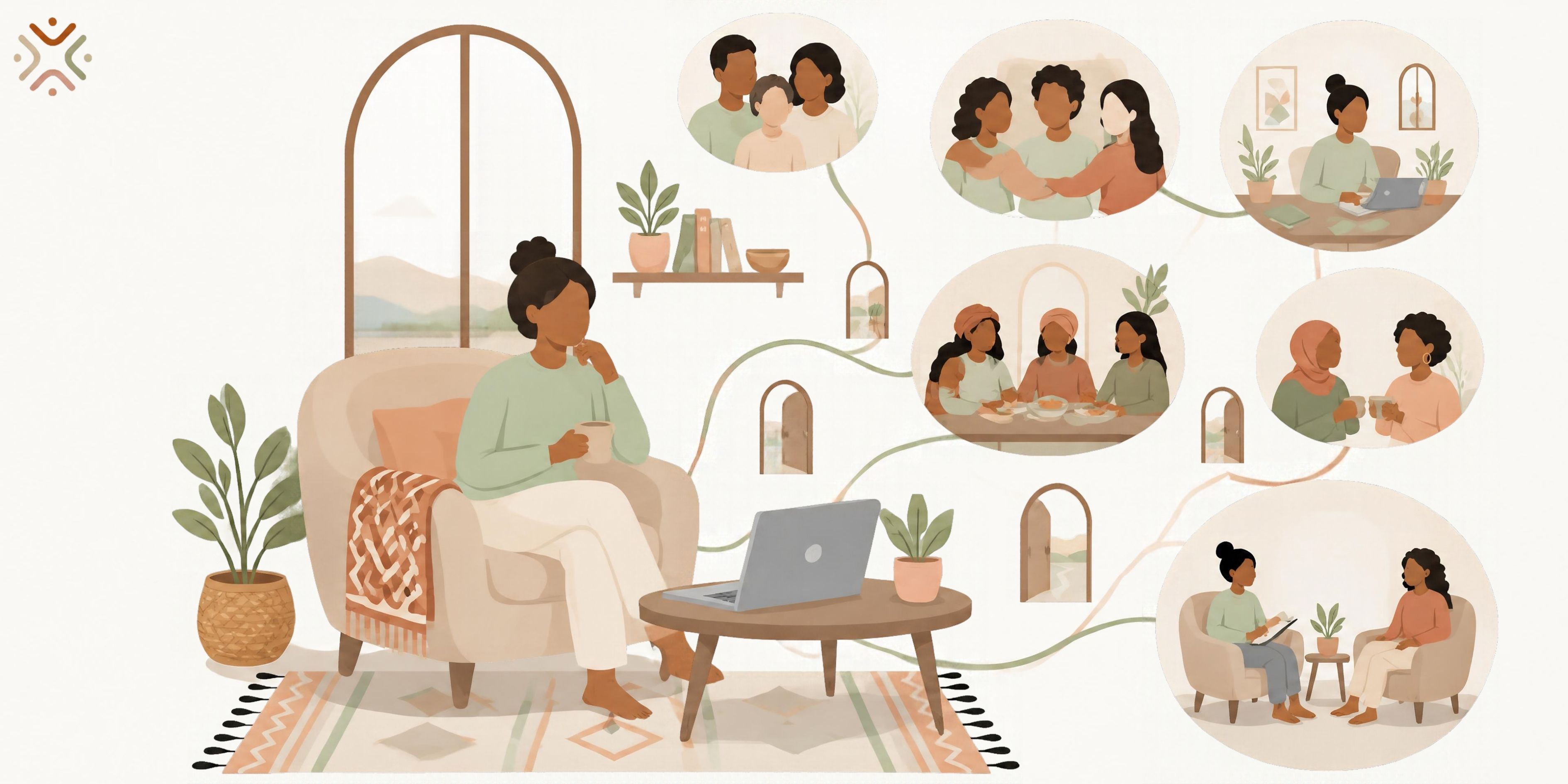
For some BIPOC clients, people of color, immigrants and people connected to faith communities, addiction may carry concerns about family reputation, cultural expectations, religious values, community judgment or being seen as a disappointment. These experiences are not shared by everyone from a particular background. Family, faith and community can also be important sources of support.
Addiction can involve alcohol or other substances. Gambling disorder and gaming disorder are also recognised clinical conditions. People may seek help for problematic pornography use, shopping or other online behaviours, but these should not automatically be labelled addictions. Assessment considers impaired control, consequences and effects on daily functioning, not simply how often a behaviour occurs or whether someone feels guilty about it. Gaming disorder, for example, involves significant impairment, not just spending substantial time gaming (World Health Organization, n.d.).
For some people, the emotional cycle feels familiar: stress, urge, temporary relief, guilt, secrecy, shame, and then the pattern repeats. Others experience addiction differently.
Therapy can offer a private and culturally sensitive space to understand these experiences without moralising or reducing the person to their behaviour. It can support responsibility while also protecting dignity. Depending on the problem, specialist addiction treatment or medical care may be needed alongside therapy.
If you may be physically dependent on alcohol or benzodiazepines, seek medical advice before stopping or substantially reducing your use. Sudden withdrawal can be dangerous, even when a medication has been taken as prescribed (NHS, 2026; U.S. Food and Drug Administration, 2020).
Why addiction can feel especially shameful for some people
Addiction can be painful in any context. When a person fears judgment, rejection or consequences for their family or community relationships, shame may make asking for help harder.
These pressures can arise in many settings; they are not inherent to any ethnicity, religion or culture. A therapist should ask about your experience rather than assume what your background means.
The difference between guilt and shame
Guilt and shame are related, but they are not the same.
One useful distinction is:
Guilt says: “I did something that hurt me or others.”
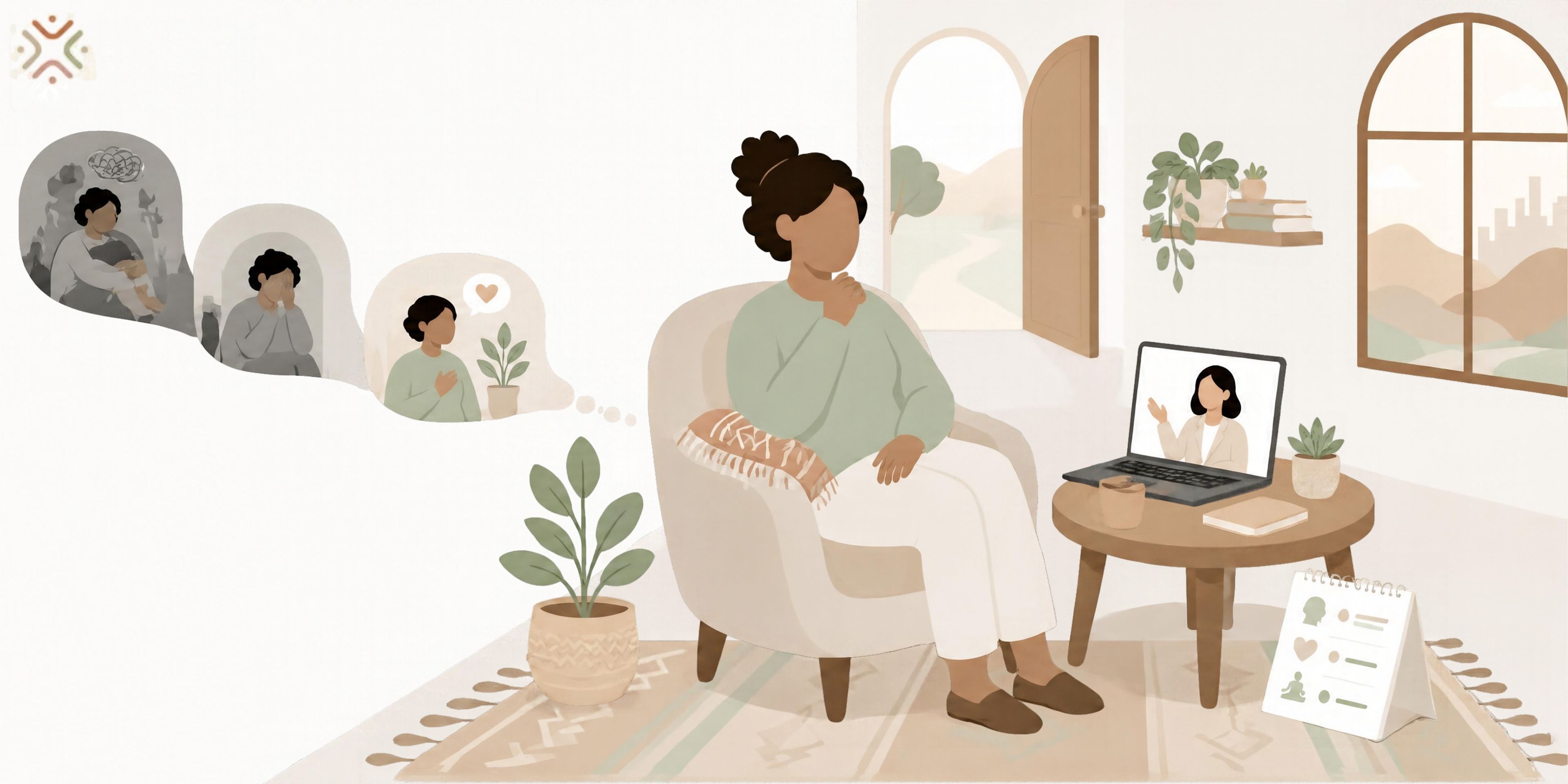
Shame says: “I am bad. I am broken. I am beyond help.”
Research commonly distinguishes guilt focused on a particular action from shame focused on the whole self. Guilt can sometimes encourage responsibility and repair, while shame can encourage hiding or withdrawal. However, excessive or misplaced guilt can also be distressing, and people’s experiences do not always fit neatly into these categories (Tangney et al., 2007).
For example, someone may promise themselves they will stop harmful drinking, substance use or gambling. When they return to the behaviour, they may feel regret. But if regret becomes “I am disgusting,” “I am a failure,” or “No one could ever respect me if they knew,” they may feel too ashamed to seek support.
Feeling ashamed of sexual behaviour or pornography use does not, by itself, establish an addiction or compulsive sexual behaviour disorder. Distress arising entirely from moral disapproval is not sufficient for that diagnosis. The distress still deserves respectful support, without imposing a diagnostic label (Kraus et al., 2018).
Therapy can help separate behaviour from identity. You can acknowledge harm and take steps to change without believing you have lost your worth as a person.
Secrecy, isolation and fear of exposure
A person may hide substance use or gambling, conceal spending, avoid difficult conversations or pretend everything is under control. Secrecy can make it harder to access support and allow harms to go unnoticed.
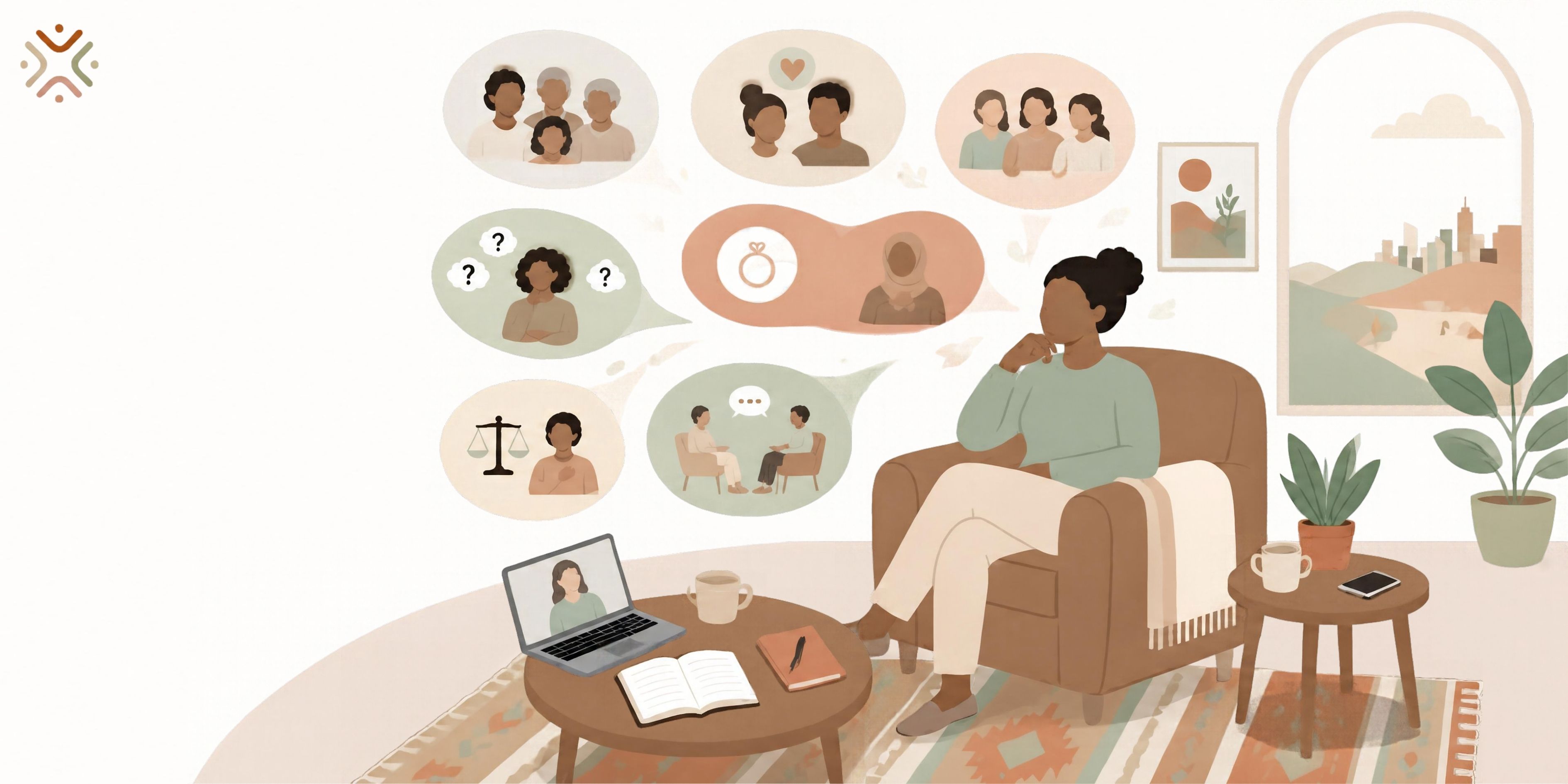
Someone may think: What if my parents find out? What if my partner leaves? What if my community judges me? What if people think I brought shame to my family?
Imagine a young man from an immigrant family who is respected as responsible and hardworking. Privately, he is struggling with gambling. Each time he loses money, he feels panic and shame. He wants help, but the thought of anyone finding out feels unbearable. Hiding the losses makes it harder to address them.
This is one possible experience, not a description of immigrant families generally.
Professional support may provide a place to begin speaking honestly. Confidentiality is important, but it is not absolute: legal requirements, safeguarding duties and serious safety concerns may create exceptions. Your therapist should explain the limits, record-keeping arrangements and any online privacy considerations before you begin.
When fear makes asking for help harder
When a behaviour conflicts with someone’s cultural, spiritual or personal values, they may feel they have betrayed their beliefs or disappointed loved ones. Regret can be meaningful. Values can support change. But overwhelming fear may leave a person feeling stuck rather than able to seek help. They may think, “I have already failed, so what is the point?” or “I need to fix this alone before anyone can know.”
A therapist can help explore the emotional pattern: What situations precede the behaviour? What feelings come before it? What happens afterwards? What support is missing?
Therapy does not need to replace spiritual guidance. A therapist should respect your beliefs while staying within their professional competence, rather than presenting themselves as a religious authority without appropriate qualifications. Involving a spiritual or community figure should be your choice, with clear consent and confidentiality arrangements.
Understanding addiction as a health concern, not a lack of worth
Addiction is not evidence that someone has no values or simply lacks willpower. Substance use disorders develop through an interaction of biological, psychological and social factors. Stress, emotional pain, trauma or loneliness may be relevant for some people, but they are not universal explanations.
This does not remove responsibility for harm. It helps make recovery practical rather than based only on blame. Treatment should address the person’s substance use and relevant medical, psychological and social needs (National Institute on Drug Abuse (NIDA), 2020).
Triggers, coping mechanisms and emotional pain
For some people, substance use or a problematic behaviour provides temporary relief, distraction, numbness, excitement or escape. For others, habit, reward, availability, social influences or withdrawal symptoms play a larger role.
Triggers may include loneliness, conflict, grief, work stress, family pressure, discrimination, boredom or reminders of painful experiences. For example, someone who feels responsible for everyone else may spend late nights online to escape those demands. Whether this is an addiction, another difficulty or simply an unhelpful coping pattern needs careful assessment. Another person may use substances after conflict and benefit from learning additional ways to manage distress.
Therapy can explore the function of the behaviour, not just the behaviour itself. What is it doing for you in the moment? What consequences follow? What other support could help?
Understanding that function is one part of assessment, not a substitute for identifying medical risks or specialist treatment needs.
Why “just stop” may not be enough
People facing addiction may hear simple advice: just stop, have more discipline, think about your family, remember your values. These messages may be well intended, but they may not address cravings, withdrawal, learned habits, mental health difficulties or the person’s circumstances.
Recovery may involve structure, support, coping skills, practical assistance and medical treatment. Depending on the substance, medication can be an important part of care, not a sign that someone has failed to recover through willpower or therapy.
Evidence-based behavioural approaches for substance use disorders include cognitive behavioural therapy, motivational approaches and contingency management. The appropriate treatment depends on the substance, clinical needs and available services (NIDA, 2020).
A person may know that a behaviour is harming them but still feel pulled towards it. Therapy can help develop practical responses to urges, while medical or specialist care addresses needs that talking therapy alone cannot meet.
Relapse does not mean the end of recovery
A return to substance use or another harmful behaviour does not mean someone is hopeless or that all progress has disappeared. It can indicate that the treatment plan needs to be reviewed.
Instead of treating it as proof of failure, a clinician can help ask: What happened before it? Were cravings, withdrawal, stress or access to the substance involved? What support needs to change?
Relapse is not inevitable or a required step in recovery. It can also be medically dangerous. After a period of reduced use or abstinence, tolerance may fall, so returning to a previously used amount, particularly with opioids, can cause overdose (NIDA, 2020).
If opioid use is involved, ask a healthcare professional or local harm-reduction service about overdose prevention, including access to naloxone where available. Suspected overdose requires emergency help.
The aim is to respond promptly and compassionately, not minimise the risk or punish the person.
How therapy can support recovery
Therapy is not the only support for addiction, and it may not be enough on its own. Some people need specialist treatment, medication, medically supported withdrawal, recovery groups or more intensive care.
A therapist with relevant addiction competence can help assess needs, support psychological treatment and coordinate or refer for additional care when appropriate.
Creating a private space to speak honestly
Speaking honestly can help a clinician understand what support is needed. But this can feel difficult when someone fears judgment, rejection or exposure.
Therapy can provide space to discuss the behaviour, associated shame, family context, triggers and concerns about treatment. You can ask about confidentiality before deciding what to share.
For some BIPOC clients, immigrants or people connected to faith communities, finding a provider who understands their context may help. Others may prioritise particular treatment expertise, language, accessibility or a different kind of fit.
You do not have to disclose everything in the first session. At the same time, accurate information about substances, medications, withdrawal symptoms and immediate risks helps clinicians plan safer care.
Building healthier coping strategies
Therapy may help clients identify triggers, develop relapse-prevention plans, build routines, reduce isolation, set boundaries and practise stress-management skills. Treatment should also consider practical issues such as housing, finances, relationships and access to healthcare (NIDA, 2020).
For example, if urges become stronger after conflict, therapy may focus on managing distress and planning what to do after difficult conversations. If loneliness is relevant, it may include building supportive connections. If shame contributes to avoidance, therapy may address self-criticism alongside steps to reduce harm.
The tools should match the problem. Treatment for gambling, a substance use disorder or compulsive sexual behaviour is not interchangeable, even when some emotional experiences overlap.
Healthy coping develops through practice. It may support recovery, but it does not replace medical treatment when that is needed.
Working with values without weaponising shame
Many clients want their values, faith or cultural identity to be part of recovery. These may offer direction, hope and motivation. Others prefer a secular approach.
A culturally sensitive therapist should ask what matters to you rather than infer it from your identity. They can help explore questions such as:
- What changes would improve my health and daily life?
- What does taking responsibility look like?
- Where harm has occurred, what repair is appropriate and safe?
- How can I work towards change without defining myself entirely by this behaviour?
- What support fits my needs and values?
Acknowledging consequences does not require humiliation. Respect for clients’ beliefs and dignity should sit alongside clinically appropriate care and clear professional boundaries.
When additional support may be needed
Problematic use or behaviour can vary in severity. The right support depends on assessment of impaired control, health risks, consequences, daily functioning and other relevant concerns, not on how ashamed someone feels.
You do not need a formal diagnosis before asking for help.
Therapy, support groups and medical care can work together.
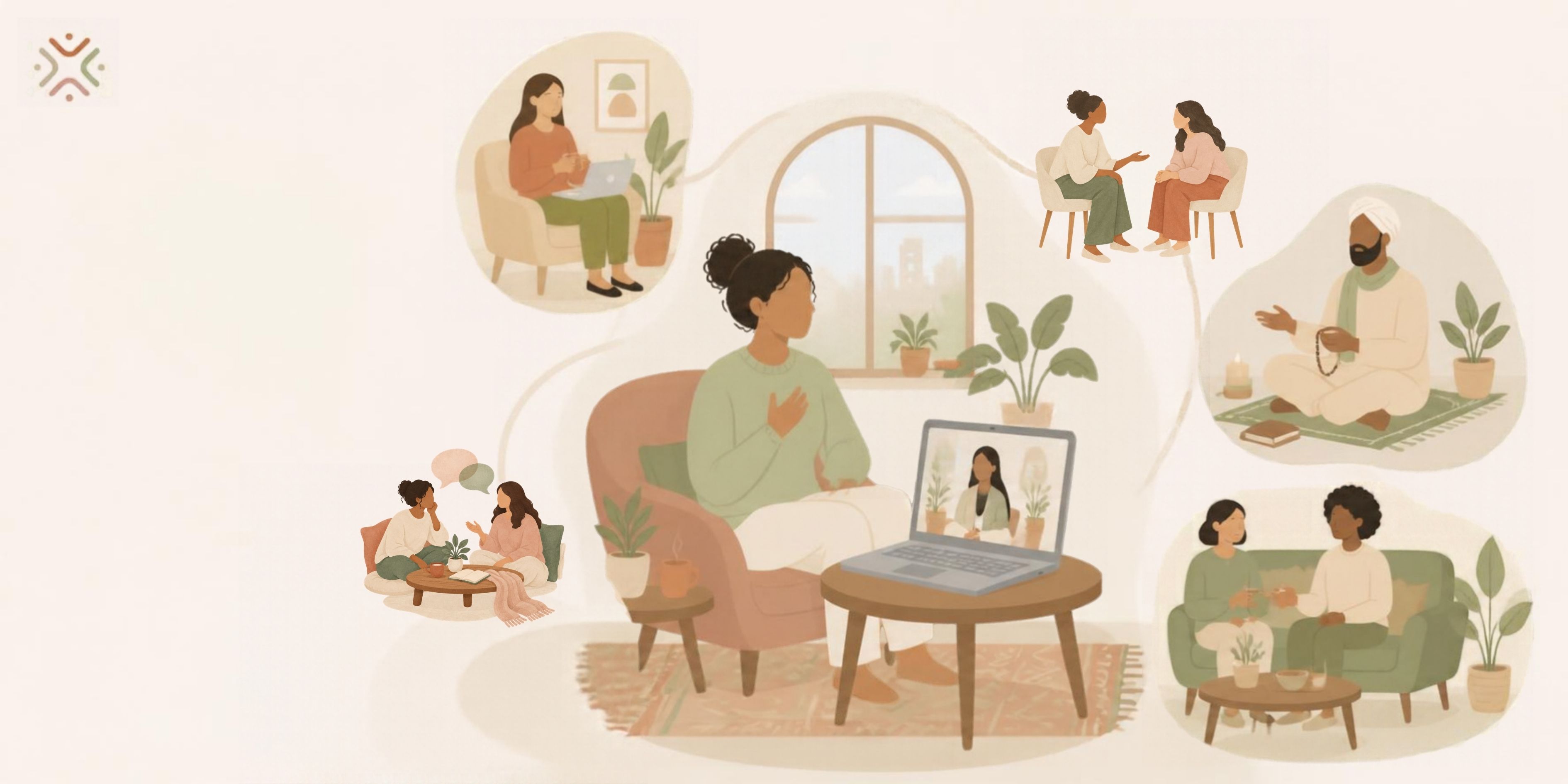
Different kinds of support may address different needs. A suitably trained therapist may help with behavioural change, shame, coping and co-occurring mental health concerns. A support group may offer connection and shared experience. A doctor or specialist service may assess withdrawal, prescribe medication or arrange more intensive treatment.
For opioid use disorder, evidence-based medication is a central treatment option and should not be treated merely as a last resort after counselling has failed (NIDA, 2020).
Support groups may complement care, but they do not replace medical assessment or treatment when these are needed. The combination should be tailored to the person rather than presented as one formula for everyone.
If addiction is affecting health, safety, relationships, finances or daily functioning, seek appropriate professional support. For anyone unsure where to start, it may also help to consider whether
emotional struggles have become too difficult to manage alone. Do not attempt to manage potentially dangerous withdrawal through coping exercises alone.
If you are dependent on alcohol, or have been regularly taking benzodiazepines, seek medical advice before stopping or substantially reducing use. Physical dependence can develop with prescribed medication and does not, by itself, mean someone has an addiction (NHS, 2026; U.S. Food and Drug Administration, 2020).
Reaching out is a step towards care and responsibility
Many people delay help because they believe they must fix themselves first. Reaching out can be the beginning of change, not evidence that they have failed.
You can say, “I am worried about this pattern,” even if you are unsure whether it is an addiction or what treatment you want.
You do not have to wait until you have lost everything. You do not have to become perfect before you are worthy of support.
If you explore therapy, ask whether the provider has relevant addiction experience and whether your needs require specialist or medical care. Cultural understanding matters, but so does competence in treating the specific concern.
Shame is not the same as healing
Secrecy, isolation and self-condemnation can make seeking help harder. Recovery can involve honest assessment, appropriate treatment, supportive relationships and practical changes.
For some BIPOC clients, people of color, immigrants and culturally diverse clients, care may need to consider family expectations, stigma, discrimination, faith, privacy or fear of judgment. These factors should be explored when relevant, not assumed. Family, culture and community may also provide important strengths.
Therapy may help you move from self-condemnation towards understanding, support and practical action. It is one possible part of recovery, not a guarantee or a replacement for every other form of care.
The behaviour you are trying to change does not define your worth. You deserve support that helps you address it without judgment, while taking your health and safety seriously.

















 Previous article
