Many BIPOC women carry responsibilities that others do not always see. They may be caring for children, supporting parents, helping siblings, managing work, maintaining relationships, navigating cultural expectations and holding emotional space for everyone around them.
From the outside, they may look strong, capable and dependable. Inside, they may feel exhausted, anxious, disconnected or guilty for wanting rest.
For Black, Indigenous, Asian, Latinx, Middle Eastern, mixed-race, immigrant and diaspora women, mental health is often shaped by more than personal stress. Family history, migration, racism, religion, cultural values, gender roles, community expectations and workplace pressure can all influence how safe it feels to ask for help.
Culturally sensitive online therapy can offer a private space to explore these pressures without judgment. It can help BIPOC women care for themselves without feeling that they are abandoning their families, culture or values.
Experiences differ widely across BIPOC women, families, cultures, generations and life circumstances. This article speaks to women who recognise some of these pressures in their own lives.
The invisible load many BIPOC women carry
The invisible load is not only about being busy. It is about constantly noticing what needs to be done, who needs support, what might upset others and how to keep everything together.
For many women from culturally diverse families, this load is emotional, practical and cultural at the same time. It can include managing family expectations, translating systems, caring for relatives, succeeding at work, protecting community reputation and staying strong when vulnerability feels unsafe.
Caring for everyone else while ignoring your own needs
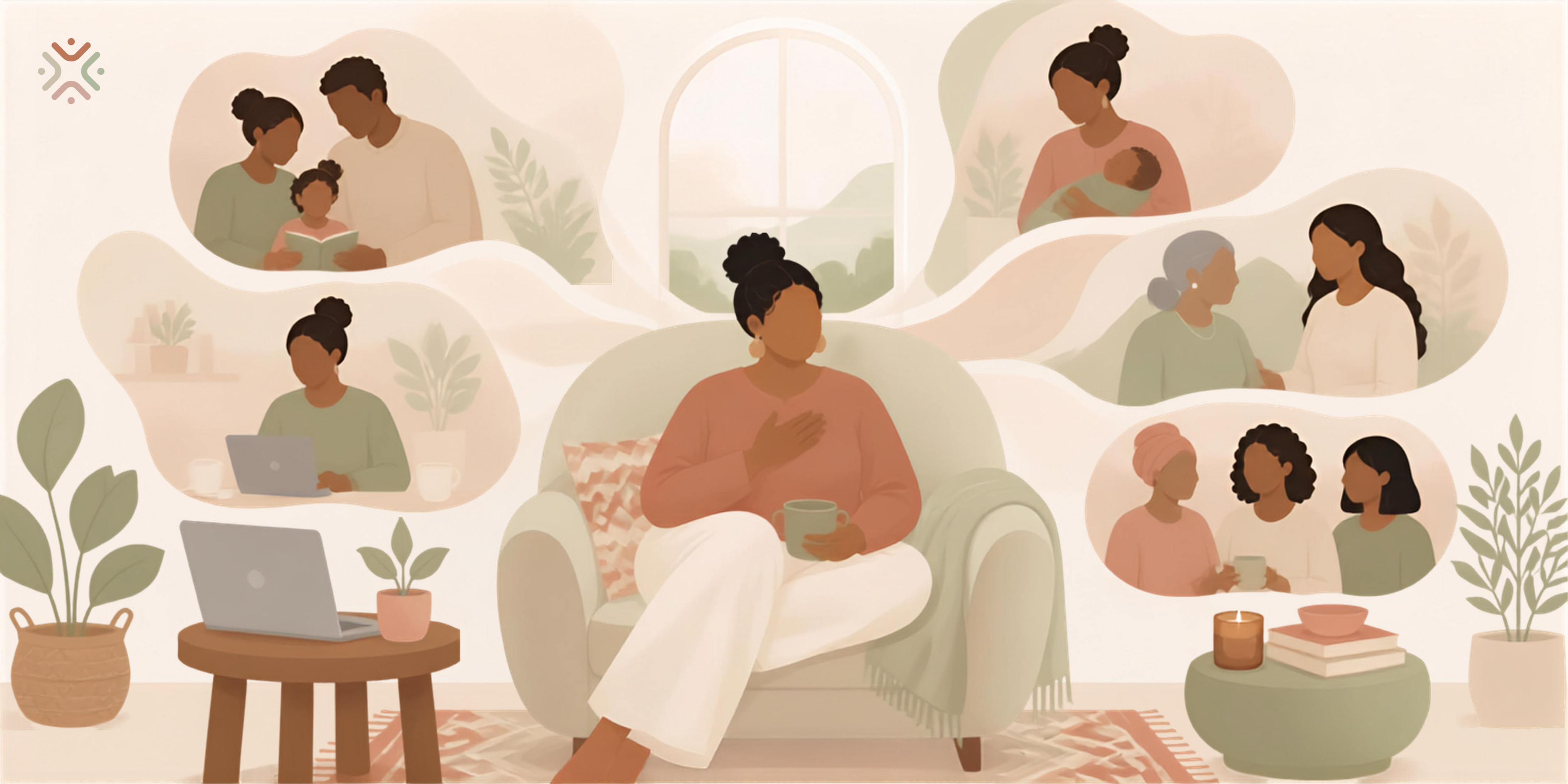
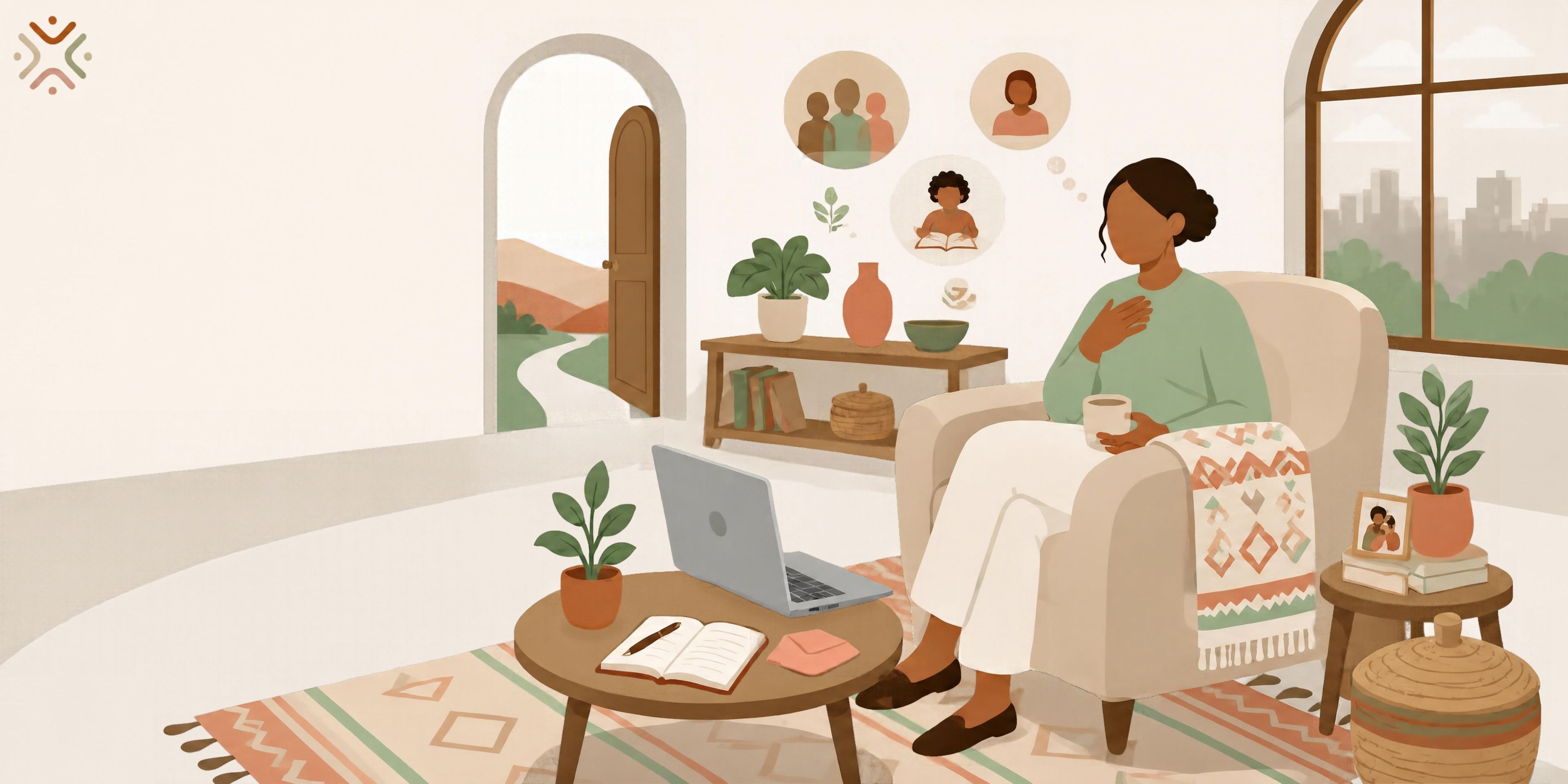
Many BIPOC women are raised to be responsible, helpful and emotionally aware. They may become the person everyone turns to: the daughter who translates documents, the sister who keeps the peace, the mother who remembers every detail, the partner who manages the household or the friend who listens without asking for anything back.
Care can be beautiful. But when caring for others always comes before your own wellbeing, it can slowly become self-neglect.
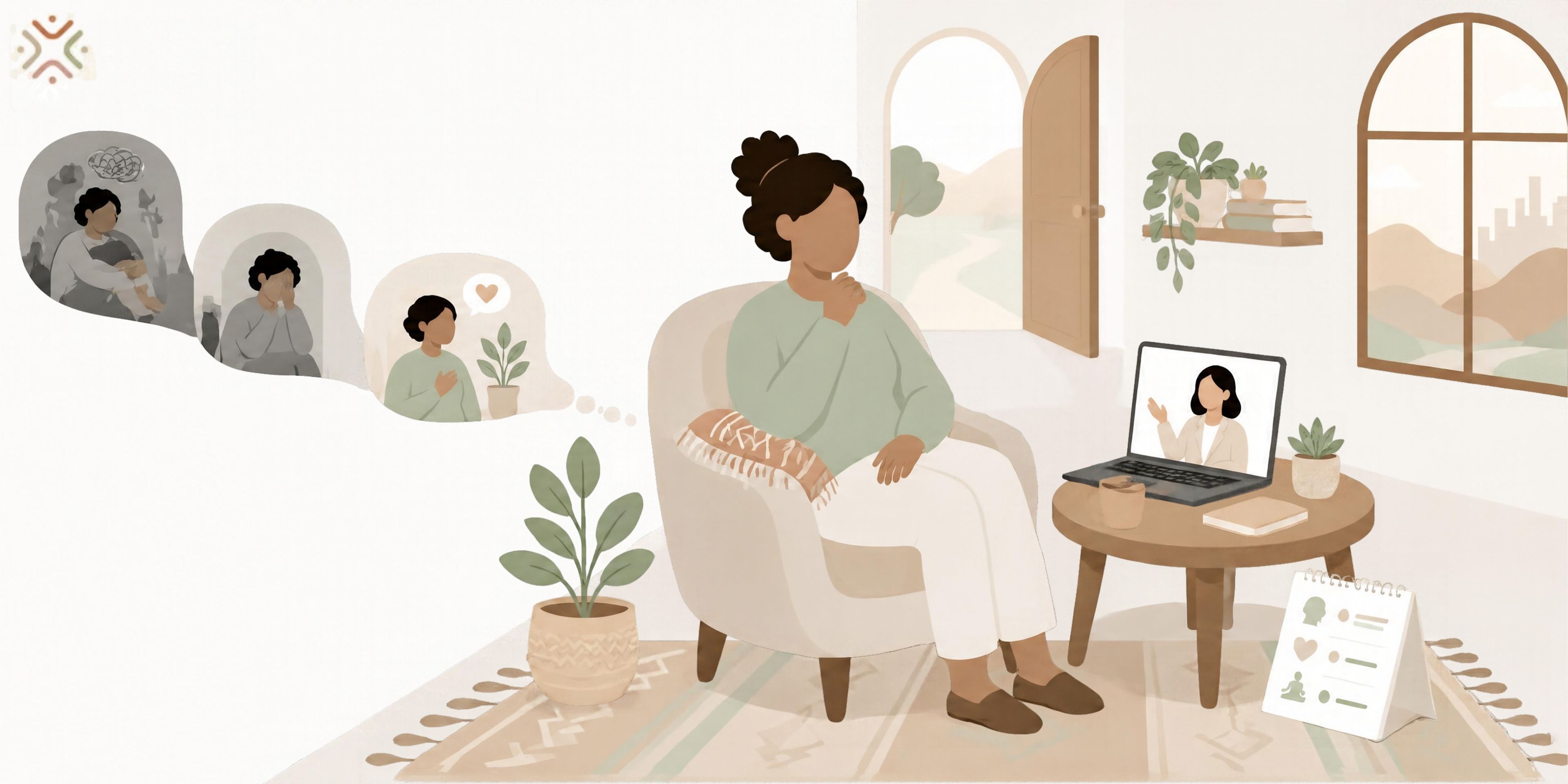
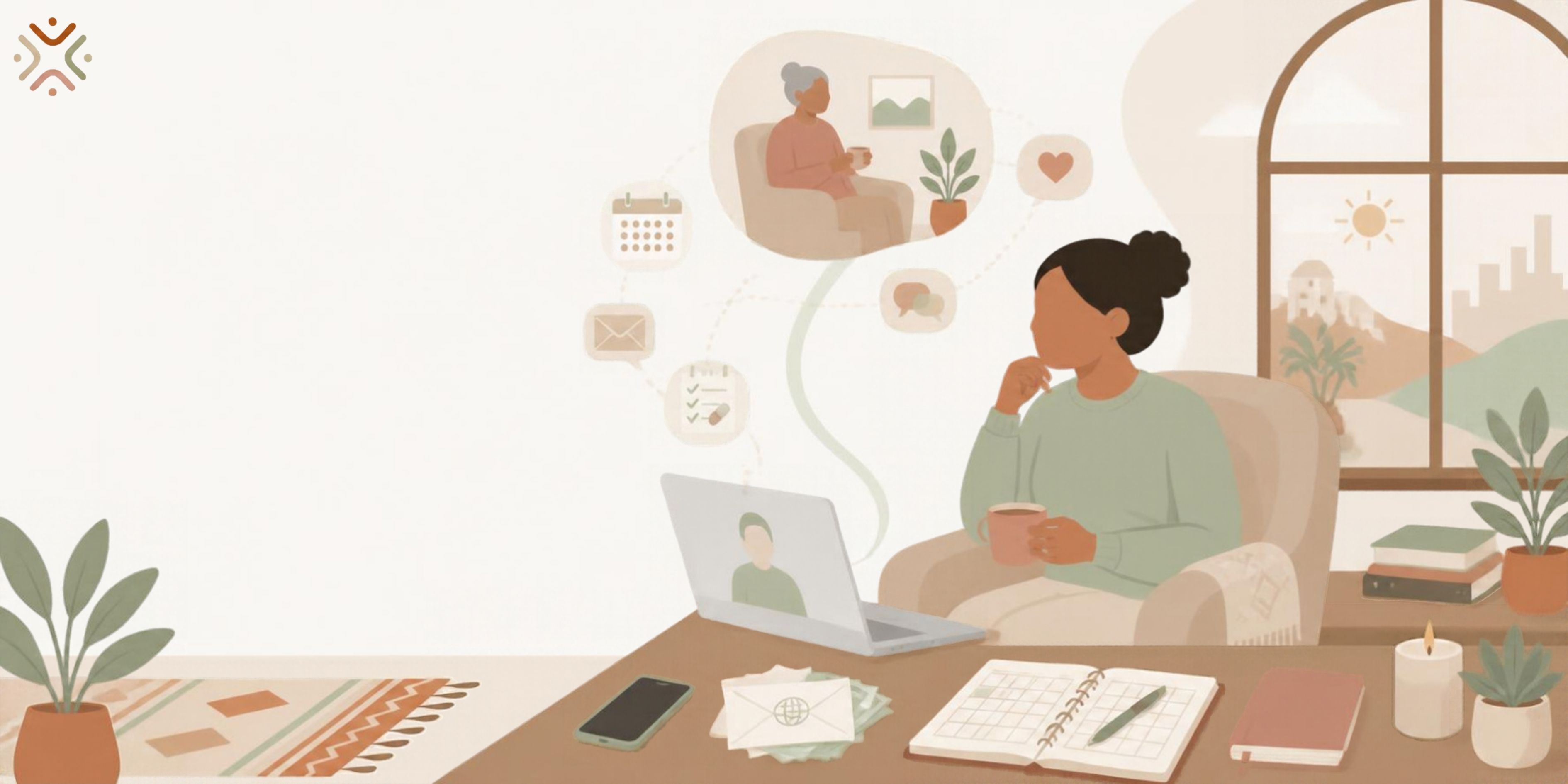
Imagine a woman who finishes work, checks on her parents, helps a child with homework, answers messages from relatives and then stays up late worrying about everything she did not finish. When someone asks how she is, she says, “I’m fine,” because there is no time to explain the truth.
Over time, being “the strong one” can become exhausting.
If emotional responsibility has become part of your role in the family, it may help to explore how this pressure develops in immigrant and diaspora families.
Expectations from culture, family and community
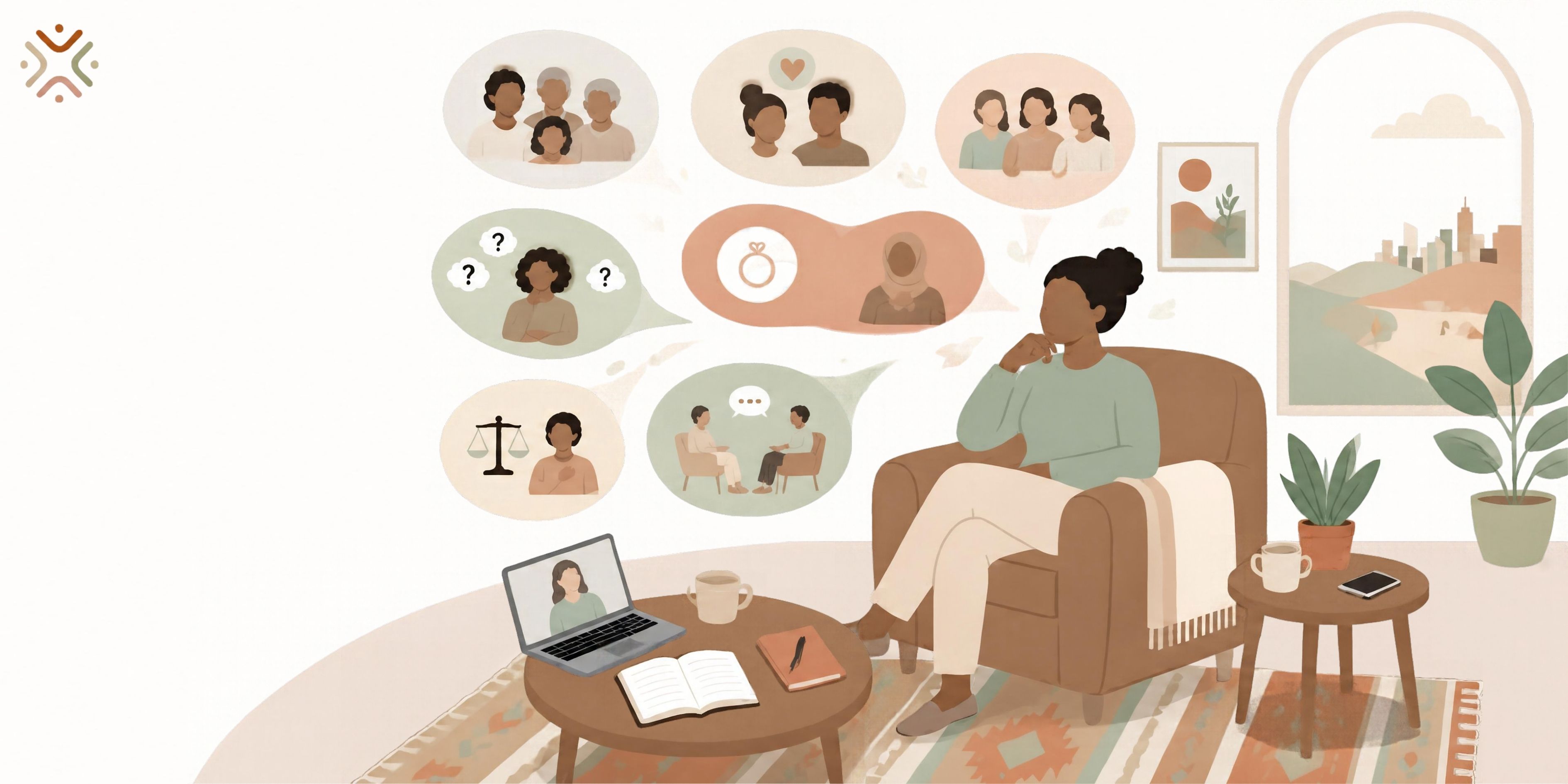
BIPOC women often move through several layers of expectation. They may be expected to be respectful, hardworking, successful, family-oriented, emotionally controlled, modest, independent, loyal to tradition and adaptable to mainstream culture, all at once.
For daughters of immigrants, this can be especially complex. There may be pressure to honour parents’ sacrifices, maintain cultural roots, succeed professionally and avoid bringing shame or disappointment to the family.
For women in tight-knit communities, personal decisions may feel public. Choices around marriage, motherhood, career, divorce, therapy, boundaries or rest may be judged not only as individual choices, but as reflections of family, culture or community.
Family expectations and personal boundaries can therefore become central parts of mental health, not side issues.
The silent message: “Strong women don’t complain”
Many BIPOC women internalise the belief that they should endure quietly. The message may not always be spoken directly, but it can be felt: do not complain, do not make the family look bad, do not be selfish, do not talk to outsiders, do not fall apart.
In some families, emotional pain may be compared to previous generations’ sacrifices: “We went through worse.” “You should be grateful.” “Other people have real problems.” These comments may be meant to encourage resilience, but they can also make women feel ashamed of their own pain.
A woman can be grateful and still be overwhelmed. She can love her family and still need space. She can respect her culture and still question expectations that are hurting her.
If gratitude has started to silence emotional pain, this pattern may deserve gentle attention.
How constant pressure affects BIPOC women’s mental health
When pressure becomes normal, many women do not realise how much they are carrying until their body or emotions begin to react.
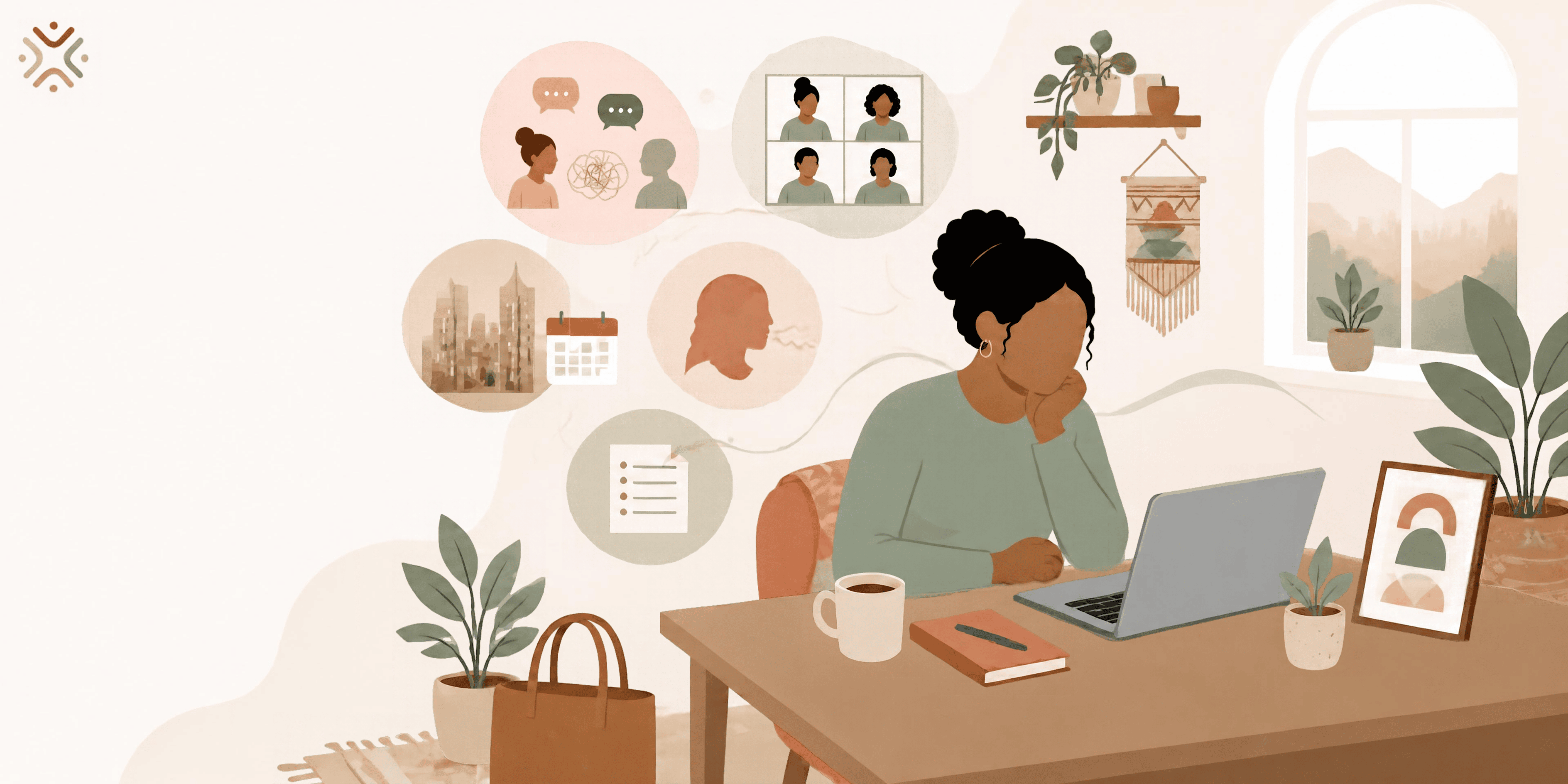
They may still be working, parenting, studying, supporting family and showing up for others. But inside, they may feel tense, disconnected or close to burnout.
Anxiety, overthinking and never feeling “good enough”
Constant responsibility can lead to racing thoughts and self-criticism.
A woman may keep asking herself:
Did I say the wrong thing?
Am I disappointing my parents?
Am I doing enough for my children?
Am I falling behind at work?
Will people judge me if I choose differently?
Am I allowed to want something else?
This kind of overthinking can make rest feel impossible. Even when everything appears “fine,” the mind keeps scanning for what might go wrong.
For BIPOC women, anxiety may also be shaped by racism, microaggressions, code-switching and pressure to perform in workplaces or social spaces where they already feel watched. The emotional energy required to constantly adapt can be draining.
If worry feels like a constant loop in daily life, it may help to explore how anxiety can show up as overthinking.
Exhaustion, low mood and emotional numbness
When stress continues for too long, it can turn into burnout or low mood. Signs may include low energy, crying easily, irritability, difficulty concentrating, losing interest in things that once felt meaningful or feeling emotionally numb.
Some women continue functioning while feeling empty inside. They keep working, parenting, studying, caregiving and showing up for everyone else, but they no longer feel truly present.
Sometimes depression or emotional distress can be less visible from the outside. Not every person who is struggling looks like they are struggling.
Online therapy can help women slow down enough to notice what their body and emotions have been trying to say.
Guilt and shame around taking time for yourself
Many BIPOC women feel guilty when they rest, say no or ask for help. They may worry that setting boundaries makes them disrespectful, ungrateful or selfish.
For example, a woman may want one evening to herself, but then feel guilty because her mother needs help, her partner expects dinner or her community has taught her that “good women” are always available. Even when she knows she is exhausted, guilt pulls her back into the same pattern.
Online therapy can help women recognise the difference between healthy responsibility and emotional overextension. It can also help them understand how guilt, shame and cultural expectations interact.
If productivity and self-worth feel closely connected, it may help to explore what it means to rest without guilt.
Why culturally sensitive online therapy can help BIPOC women
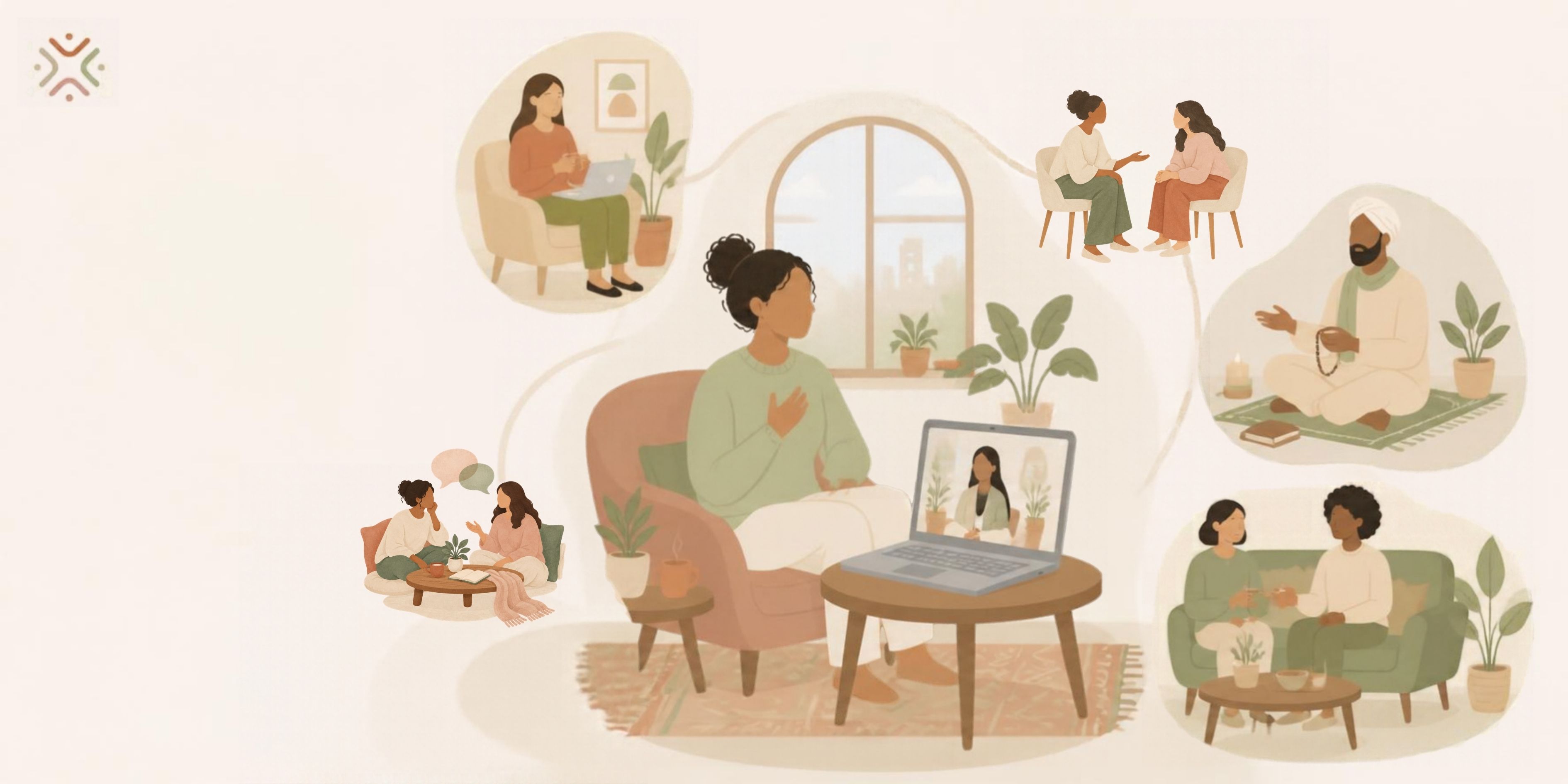
Support is most helpful when it does not force women to explain or defend every part of their background. BIPOC women often need therapy that recognises culture, race, family, identity and lived experience as part of mental health.
Culturally sensitive online therapy does not treat a woman’s culture as a problem to fix. It helps her understand what supports her, what harms her and what needs to change so she can live with more safety, honesty and emotional clarity.
A space where your culture is not treated as the problem
Some BIPOC women worry that therapy will misunderstand their culture. They may fear being told to simply “cut off” family, reject tradition or choose individual freedom without nuance.
Culturally sensitive therapy does not treat culture as the enemy. Instead, it helps women explore what is supportive, what is painful and what boundaries may be needed.
The goal is not to erase family values. The goal is to help women live with more emotional safety while still making room for love, respect and identity.
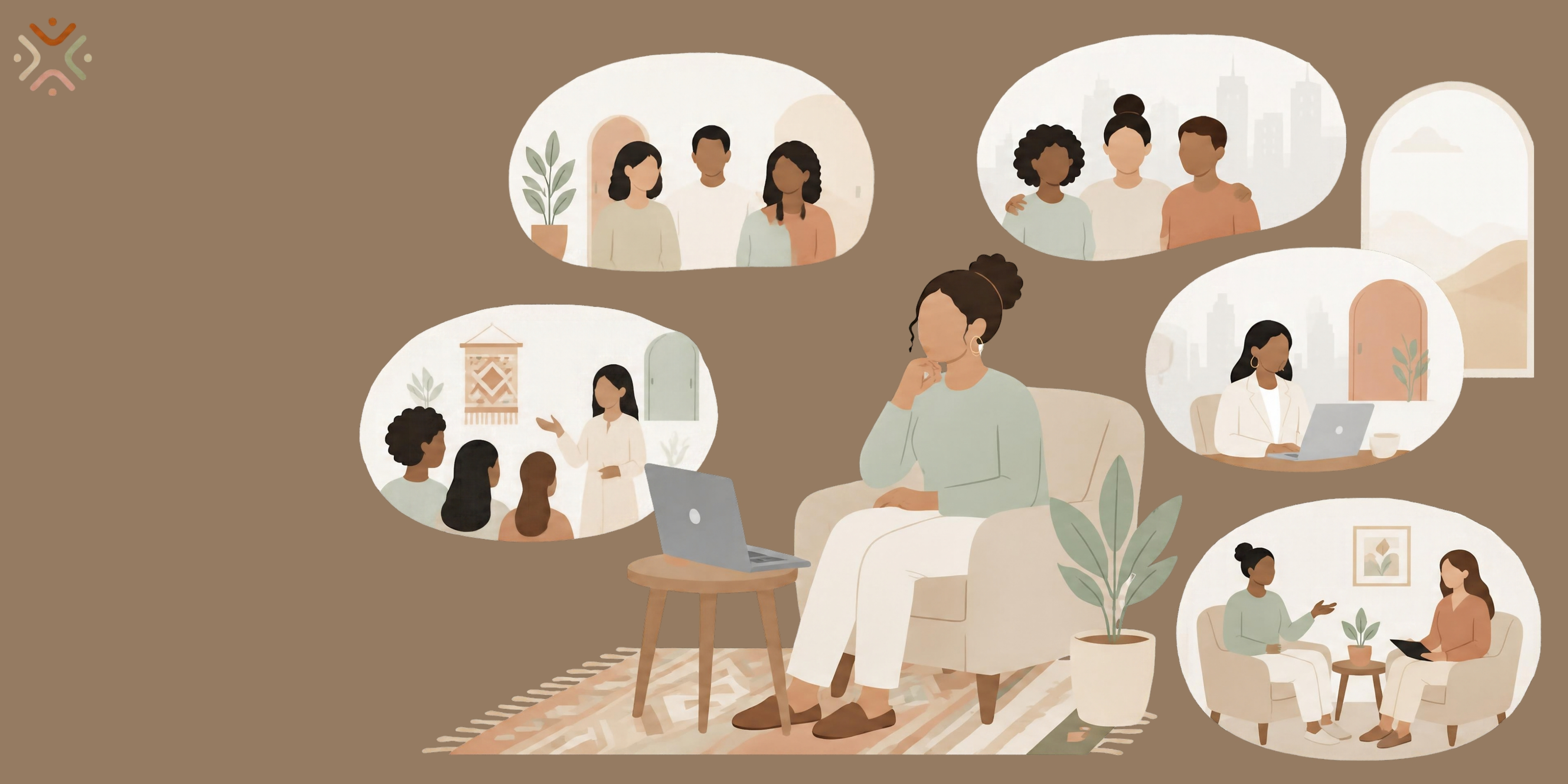
Working with a culturally sensitive online therapist can make a meaningful difference when family, culture and identity are central to the struggle.
Privacy and emotional safety
Some women hesitate to seek therapy because they worry about being judged, recognised or misunderstood. In small communities, privacy can feel especially important.
Therapy can offer a confidential space where women can speak openly about family pressure, relationships, grief, anger, resentment, faith, racism, identity or trauma without needing to protect everyone else’s feelings.
For women who are used to being the listener, it can be powerful to have a space where they are finally listened to.
If privacy is one of your biggest concerns, it may help to understand why confidentiality matters in online therapy.
Support that fits real life
Many BIPOC women have full schedules and limited emotional bandwidth. Work, caregiving, parenting, school, household duties and family obligations can make support feel difficult to access.
Online therapy can make regular support more realistic. Sessions may be easier to fit around work, childcare or other responsibilities. For women who feel nervous about attending therapy in person, remote support may also feel more private and manageable.
The important point is not only the format. It is whether support feels safe, consistent and respectful. Online therapy also needs privacy planning. Use headphones, choose a private space where possible, use a personal rather than shared device, keep your screen away from others and turn off nearby smart speakers or recording devices.
For private support with anxiety, burnout, trauma, family pressure or identity questions, online individual therapy may be a helpful place to begin.
What online therapy can help BIPOC women work through
Online therapy does not have to begin with a crisis. It can support women in understanding patterns, building boundaries and reconnecting with themselves.
The work may include practical coping tools, emotional processing, identity exploration, trauma support or communication skills. It can also include learning how to care for others without disappearing inside responsibility.
Setting boundaries without losing respect
Many women want boundaries, but do not want to become cold, harsh or disconnected from family. Therapy can help them find language that is firm but respectful.
This may include saying no without over-explaining, asking for help, limiting emotional labour, reducing guilt and recognising when family expectations are unrealistic.
Boundaries are not a rejection of love. They are a way to protect relationships from resentment and burnout.
A therapist can help you practise what to say, notice the guilt that appears afterwards and stay grounded when others react emotionally.
Rebuilding identity beyond roles
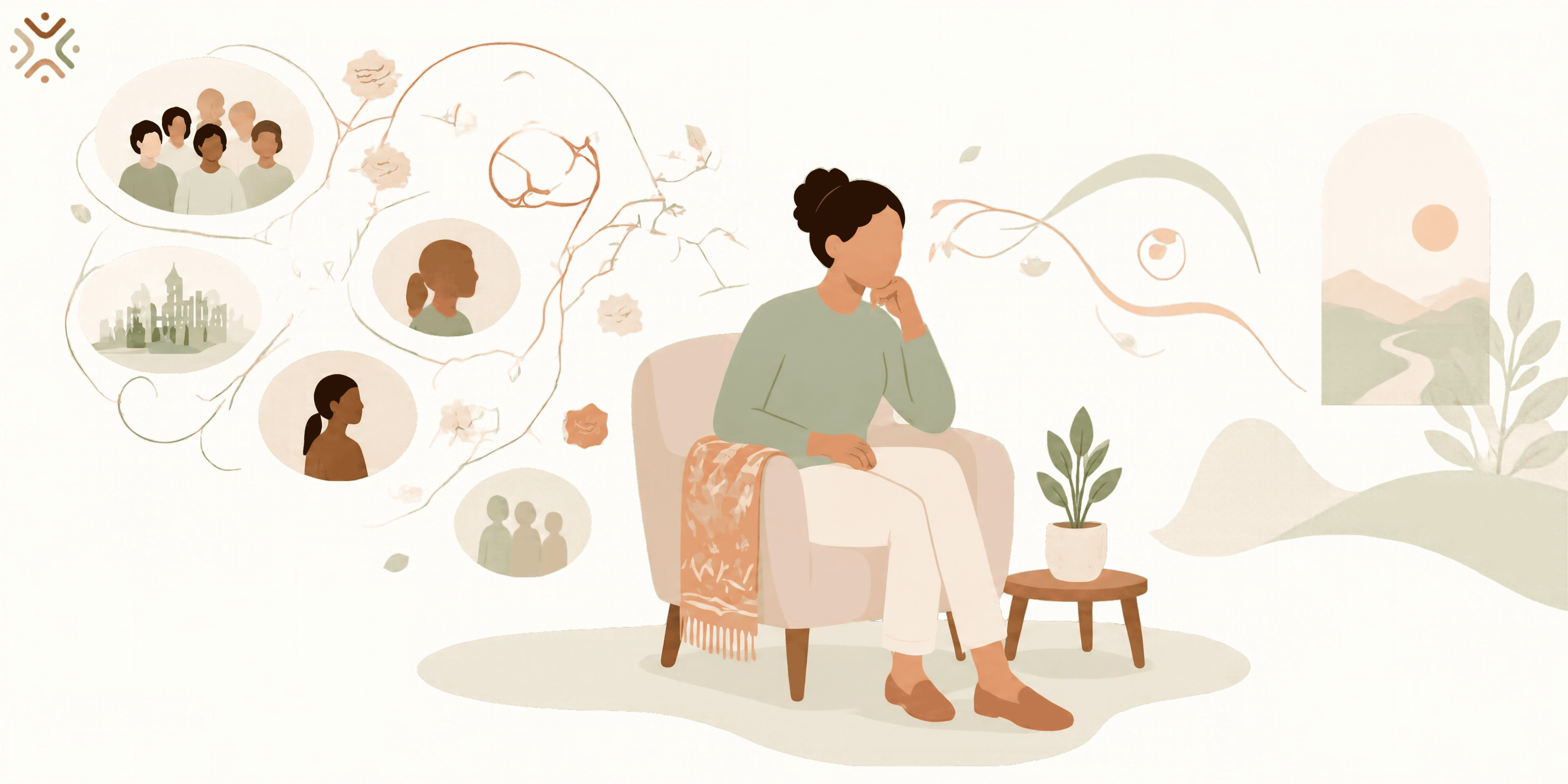
Women from culturally diverse, immigrant and minority backgrounds are often defined by the roles they carry: daughter, mother, wife, sister, professional, caregiver, community member. These roles can be meaningful and deeply connected to love, culture and responsibility, but they should not erase the person underneath.
Therapy can help women ask questions they may not have had space to ask before:
Who am I beyond what I do for others?
What do I want?
What do I believe?
Which parts of myself have I hidden in order to survive, belong or avoid disappointing people?
What does wellbeing look like when it is not only about keeping everyone else okay?
For women living between cultural worlds, this process is often closely connected to questions of identity, belonging and emotional safety
Healing from shame, pressure and emotional silence
Some women arrive in therapy carrying years of unspoken pain. They may have been told to stay quiet, keep the peace or be grateful. They may feel shame for wanting more emotional support than their family knows how to give.
Therapy can help name what was never named. It can create space for sadness, anger, grief and relief. It can also help women develop coping tools that honour both their wellbeing and their values.
For some women, this may include exploring trauma linked to family violence, migration, racism or intergenerational pain.
When relationships, parenting or family roles are part of the pressure
BIPOC women often carry emotional responsibility in relationships and family systems. This may include managing conflict, parenting, supporting partners, mediating between relatives or trying to keep everyone emotionally stable.
This can become especially heavy during life transitions: marriage, separation, motherhood, infertility, caregiving, career change, migration or grief.
When couples or family support may help
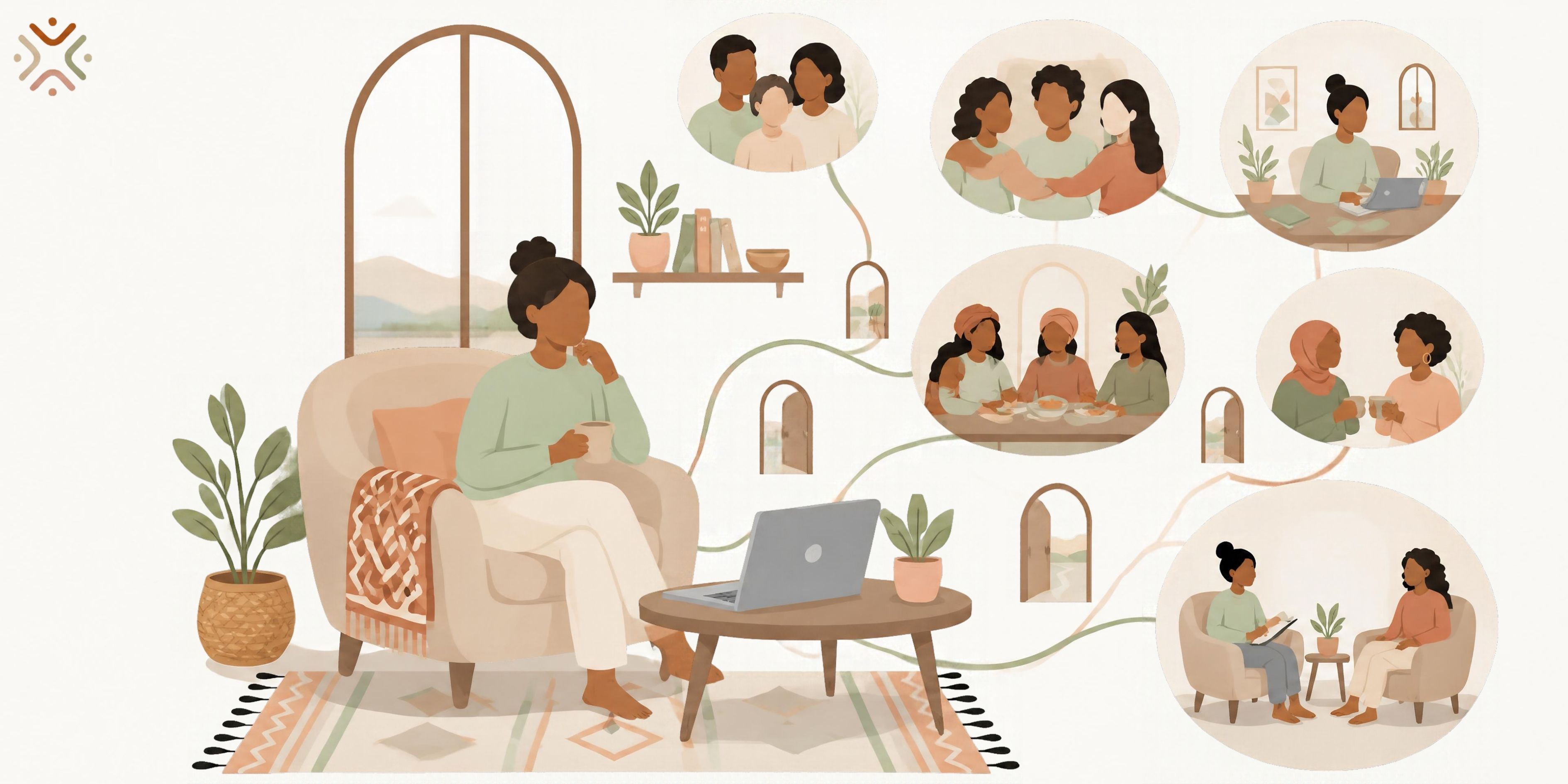
Sometimes individual therapy is the right place to begin. Other times, relationship or family patterns may also need support.
If communication, parenting, separation or repeated family conflict is part of the struggle, online couples and family therapy may offer a structured space for repair and clearer communication. Couples or family therapy may not be appropriate when there is ongoing fear, coercion, violence or controlling behaviour. In those situations, individual support and a safety-focused plan may be a safer starting point.
This does not mean every family member must attend therapy. It means you are allowed to seek support for the relationships that affect your wellbeing.
When teen or child wellbeing is part of the concern
Some BIPOC women seek support not only for themselves, but because they are worried about their children or teenagers. They may notice anxiety, sadness, school pressure, identity struggles or emotional withdrawal in a young person.
If a teenager is struggling with family expectations, school stress or identity, online teen therapy may be a useful option to explore.
Support for one family member can sometimes help the whole family relate with more care.
What the research says
Research and clinical guidance show that culture, race, gender, family systems, migration history and discrimination can shape mental health and access to support. Culturally responsive therapy recognises that emotional distress does not happen outside context, and that trust, privacy and therapist fit can affect whether support feels safe. Research on BIPOC mental health also highlights barriers such as stigma, mistrust, racism and lack of culturally appropriate care. In plain language: BIPOC women’s mental health cannot be separated from the roles, expectations and systems they move through every day.
You can care for others and still care for yourself
BIPOC women are often expected to be strong for everyone. But strength should not mean emotional isolation. Care should not require self-abandonment. Family love should not mean losing yourself.
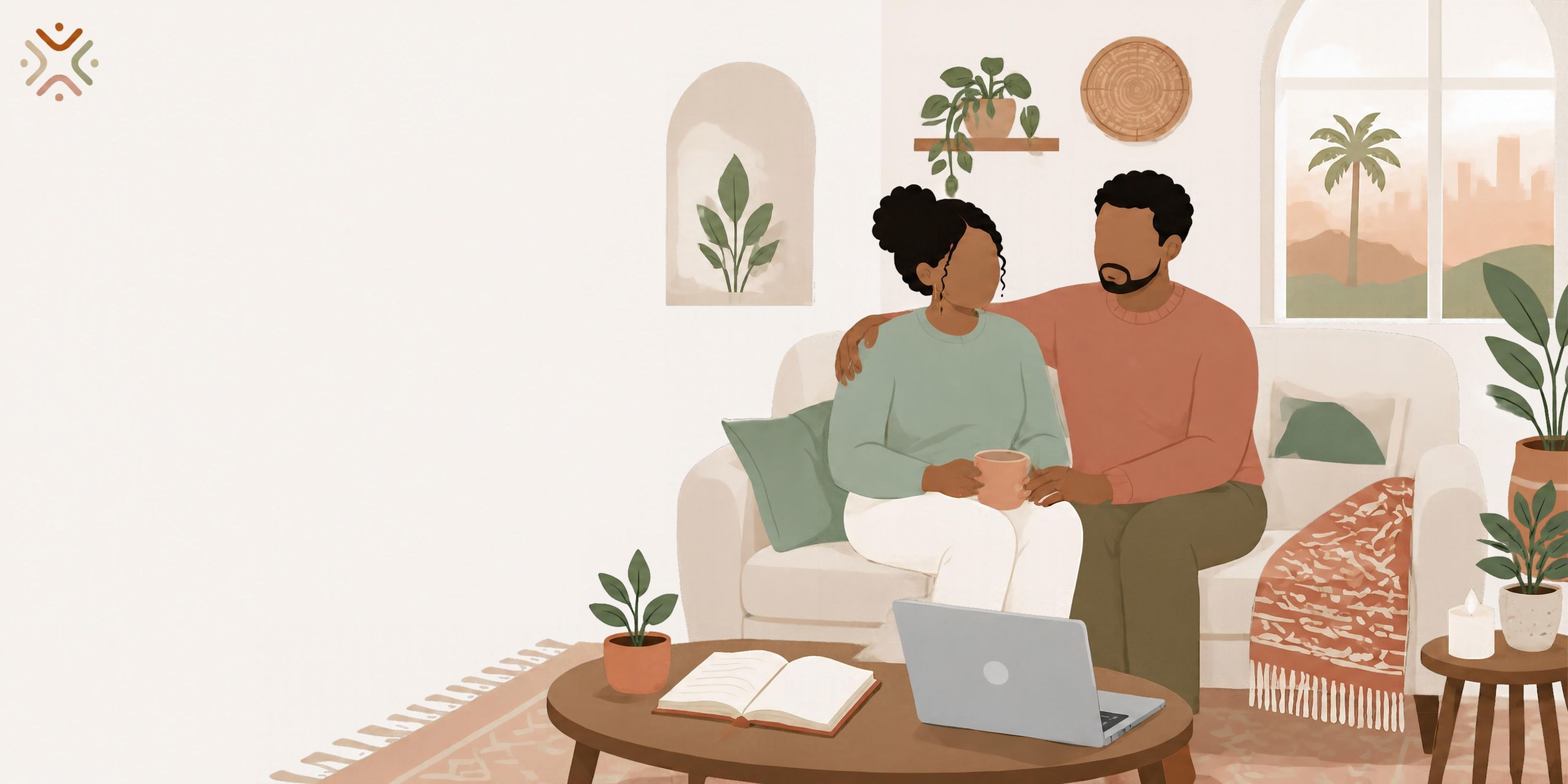
Seeking online therapy does not mean you are rejecting your culture, family or responsibilities. It can mean you are learning how to carry them differently.
You deserve support that understands the complexity of your life: the love, the pressure, the pride, the guilt, the history and the hope. With the right help, you can care for others while also making room for your own healing, rest and voice.
You can explore more articles on identity, culture and emotional wellbeing on the Thera blog. You can also browse Thera's therapist directory to look for someone whose approach feels aligned with your needs.
If you want to ask questions before choosing a therapist, you can book a free discovery call and explore whether online therapy feels right for you.
You are allowed to be strong and supported. You are allowed to love your family and still need space. You are allowed to build a life where your wellbeing matters too.











 Previous article
